

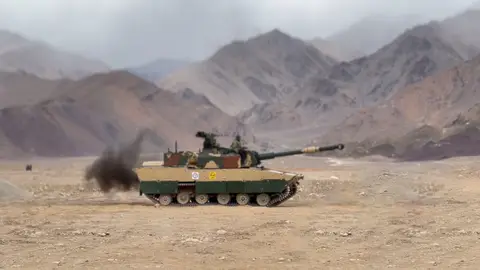
 DEFENCE INDUSTRYTata Zorawar light tank clears Army's L1 hurdle for Rs 20,000 crore contract
 DEFENCE INDUSTRYIndia Belgium Defence Deals Sealed As PM De Wever Visits Delhi
 DEFENCE INDUSTRYAero India 2027 Dates Confirmed for February 8 to 12 in Bengaluru
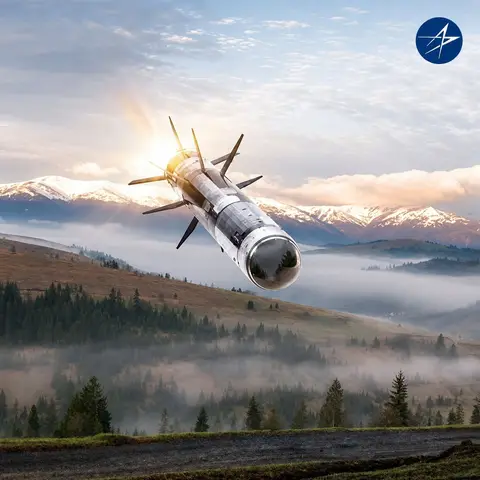 DEFENCE INDUSTRYJavelin missile co-production advances as Tata Advanced Systems signs Javelin Joint Venture pact
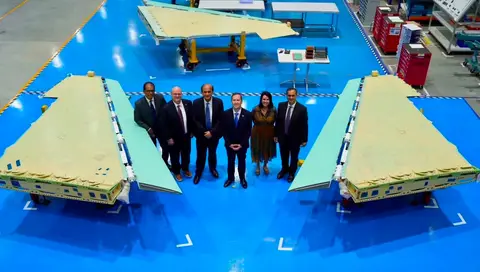 DEFENCE INDUSTRYTata Lockheed Martin MTA push gets a lift from US envoy's Hyderabad visit
Exercise Samudra Laksamana concludes at Lumut, Malaysia, with Indian Naval Ship Mysore wrapping up four days of harbour and at sea engagements with the Royal Malaysian Navy on Saturday. The Ministry of Defence confirmed the completion of the fourth edition of the bilateral exercise on Monday, describing it as evidence of the growing depth and maturity of naval cooperation between the two countries, in a release carried on the Press Information Bureau.
INS Mysore had sailed into Lumut on 09 September as part of the Indian Navy's ongoing Operational Deployment to the region, opening a programme built around interoperability and operational synergy with the Royal Malaysian Navy. Officials from the High Commission of India in Kuala Lumpur were present for the ship's reception at the start of the visit.
https://x.com/indiannavy/status/2099422579656364519?ref_src=twsrc%5Etfw%7Ctwcamp%5Etweetembed%7Ctwterm%5E2099422579656364519%7Ctwgr%5Ed1aec1379ff218d1693c8643f8f4a0c3f118332d%7Ctwcon%5Es1_c10&ref_url=https%3A%2F%2Fpublish.x.com%2F%3Furl%3Dhttps%3A%2F%2Ftwitter.com%2Findiannavy%2Fstatus%2F2099422579656364519
A harbour phase built on professional exchange
The first stretch of the engagement, spanning the harbour phase, brought together personnel from both navies for a series of professional exchanges and structured interactions. According to the Ministry of Defence, these sessions were designed to let sailors and officers from the two sides share operating experience directly, deepening mutual understanding beyond what formal communiques typically convey. The interactions extended to sporting fixtures and cross deck visits, giving both crews an informal setting in which to build familiarity ahead of the sea phase.
INS Mysore exercises with KD Lekir and KD Gagah Samudera
The engagement then moved to its operational phase at sea, where INS Mysore exercised alongside Royal Malaysian Navy ships KD Lekir and KD Gagah Samudera. The three ships carried out coordinated maritime evolutions through the exercise window, working through manoeuvres intended to sharpen interoperability and refine how the two navies coordinate at sea.
Officials on both sides framed the at sea phase as the practical test of what the harbour interactions had set up, with the ships required to operate together rather than simply alongside each other.
Part of a wider MAHASAGAR push
The exercise forms part of the Indian Navy's MAHASAGAR framework for the Indo-Pacific, and this year's edition also falls under the ASEAN India Maritime Cooperation Year 2026. The Ministry framed the engagement as building on the momentum generated at the 12th India Malaysia Sub Committee Meeting, held on 01 July 2026, positioning the naval exercise as a continuation of that broader bilateral track rather than a standalone port call.
The naval engagement follows a broader run of India Malaysia military contact through the year. The Indian Air Force opened Exercise Udara Shakti 2026 with the Royal Malaysian Air Force at Subang in August, and that deployment wrapped up as part of the IAF's Pitch Black Udara Shakti deployment across two continents.
Exercise Samudra Laksamana concludes its fourth edition
Exercise Samudra Laksamana concludes for the year with the two navies carrying the interoperability gains from Lumut into further scheduled engagements across the Indo-Pacific, a pattern each edition of the exercise has repeated since 2019.
From Kota Kinabalu to Lumut
The bilateral exercise has grown since its first edition at Kota Kinabalu in 2019, when INS Sahyadri and INS Kiltan exercised with the Royal Malaysian Navy. The third edition was held off Visakhapatnam in early 2024, pairing INS Kiltan with Royal Malaysian Ship KD Lekir, the same vessel that returned for this year's Lumut edition alongside KD Gagah Samudera.
INS Mysore is a Delhi class guided missile destroyer attached to the Western Fleet, and its call at Lumut forms part of a wider deployment schedule that has taken Indian Navy ships across South East Asia through 2026.


COMMENTS
JOIN THE DISCUSSION