
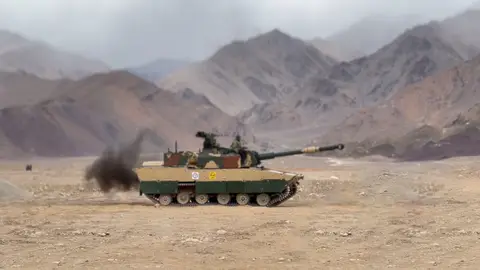
 DEFENCE INDUSTRYTata Zorawar light tank clears Army's L1 hurdle for Rs 20,000 crore contract
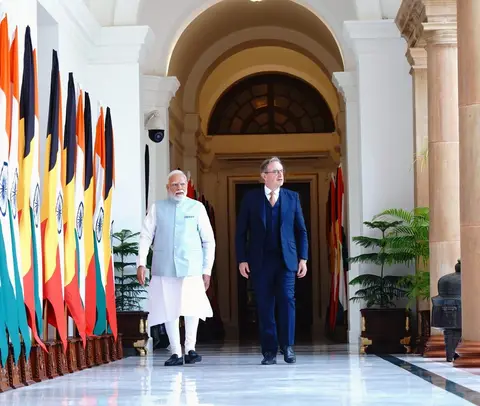 DEFENCE INDUSTRYIndia Belgium Defence Deals Sealed As PM De Wever Visits Delhi
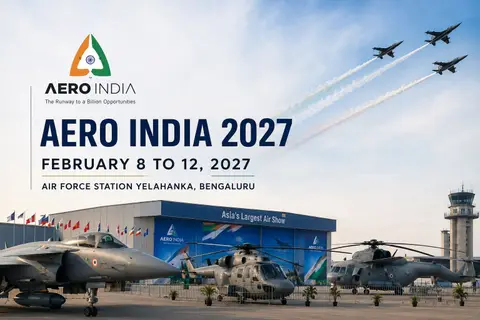 DEFENCE INDUSTRYAero India 2027 Dates Confirmed for February 8 to 12 in Bengaluru
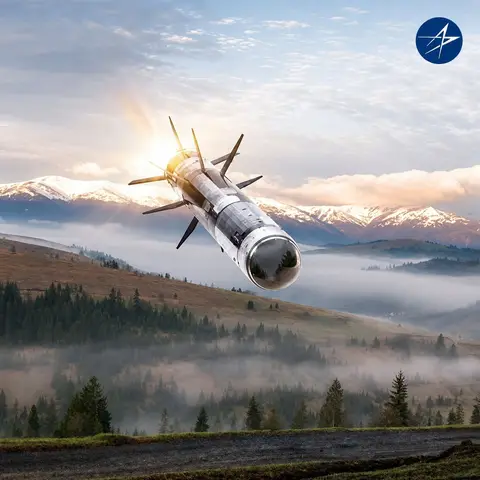 DEFENCE INDUSTRYJavelin missile co-production advances as Tata Advanced Systems signs Javelin Joint Venture pact
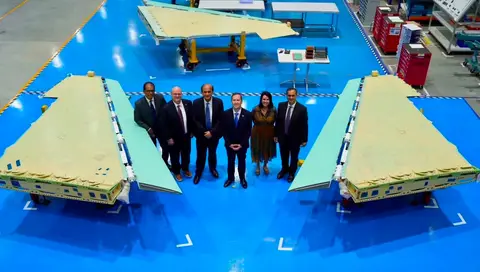 DEFENCE INDUSTRYTata Lockheed Martin MTA push gets a lift from US envoy's Hyderabad visit
India fields one of the world's largest and most diverse military inventories, spanning missiles, combat and transport aircraft, unmanned systems, radars and sensors, armoured vehicles and artillery. The country's equipment base reflects a deliberate transition from near-total dependence on imports in the decades after independence to a growing share of indigenous design and manufacture, driven by the Defence Research and Development Organisation (DRDO), Hindustan Aeronautics Limited (HAL) and a network of Defence Public Sector Undertakings (DPSUs) and private industry.
Key equipment domains
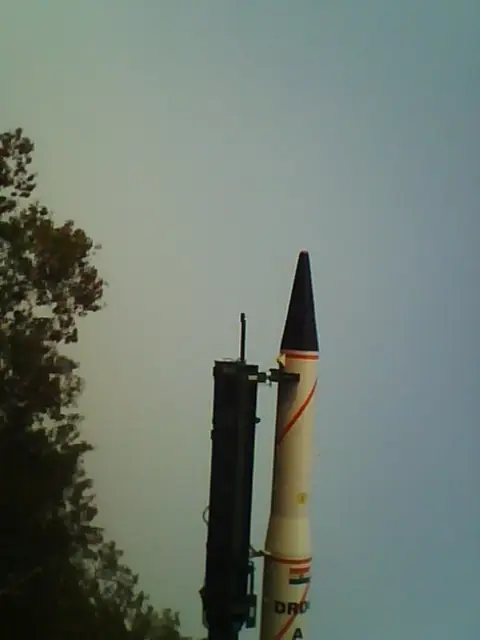
- Missiles: cruise systems such as BrahMos, ballistic missiles of the Agni and Prithvi families, and air-defence systems including Akash and the imported S-400
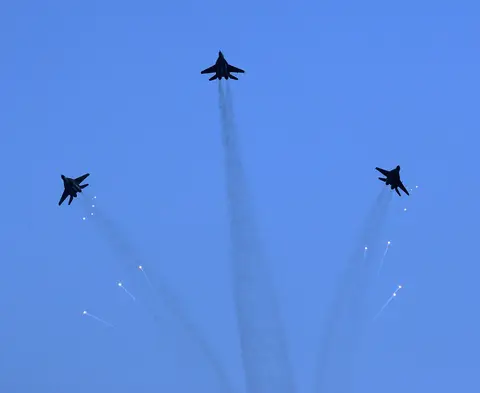
- Aircraft: the HAL Tejas light combat aircraft, Su-30MKI, Rafale and Mirage 2000 fighters, plus HAL-built helicopters such as Dhruv, Rudra and Prachand
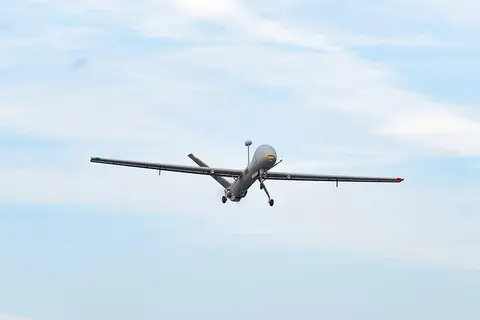
- Drones: indigenous DRDO Rustom and Tapas platforms alongside imported Israeli Heron systems and, more recently, MQ-9B Predator drones
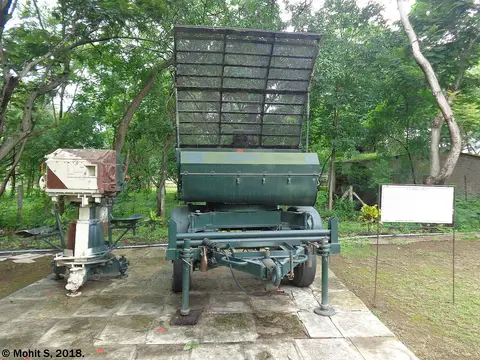
- Radars and sensors: Rajendra, Swordfish and Arudhra radars, developed largely by DRDO and Bharat Electronics Limited (BEL)
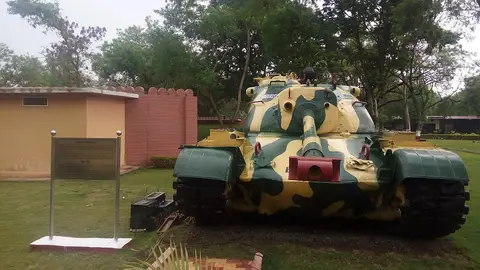
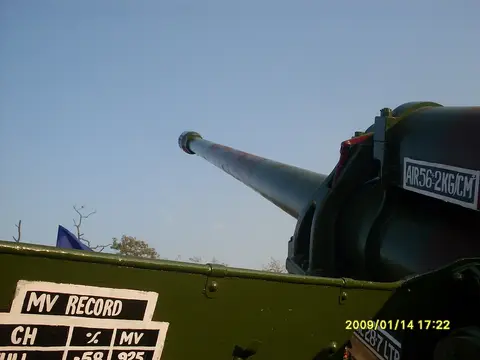
- Tanks and artillery: the indigenous Arjun main battle tank, the Russian-origin T-90 Bhishma, and howitzers such as the K9 Vajra and Dhanush
Indigenous development
DRDO leads research and prototype development across most of these categories, working through specialised laboratories for missiles, aeronautics, armament and electronics. Production is then transferred to DPSUs such as Bharat Dynamics Limited (BDL), HAL and BEL, or to private firms under licence. This model has matured over four decades, beginning with the Integrated Guided Missile Development Programme of the 1980s and extending today to platforms such as the Tejas fighter and the Arjun tank.
Imported and joint-venture platforms
Alongside indigenous systems, India continues to operate and acquire foreign equipment where domestic options are unavailable or immature, including French Rafale fighters, Russian S-400 air-defence systems and American Chinook and Apache helicopters. Joint ventures, most notably BrahMos Aerospace with Russia, combine foreign technology with Indian manufacturing and have themselves become platforms for indigenous upgrades and exports.
Make in India and Atmanirbhar Bharat
Since the mid-2010s, defence procurement policy has been reoriented around the Make in India and Atmanirbhar Bharat (self-reliant India) initiatives, which prioritise domestic design, positive indigenisation lists that bar the import of specified components, and offset clauses requiring foreign vendors to invest in Indian industry. Defence exports, negligible two decades ago, have grown substantially, with BrahMos, artillery systems and radars now sold to multiple countries.
Together, these domains illustrate a defence-industrial base in transition: still reliant on imports for select high-end technologies, but increasingly capable of designing, producing and exporting complex weapon systems domestically.