
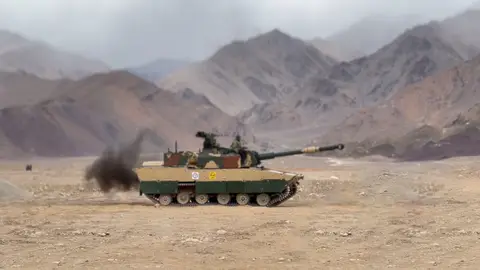
 DEFENCE INDUSTRYTata Zorawar light tank clears Army's L1 hurdle for Rs 20,000 crore contract
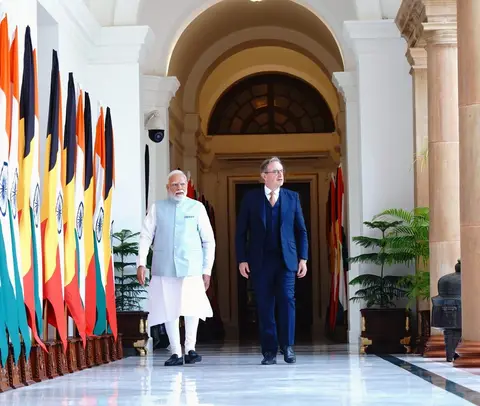 DEFENCE INDUSTRYIndia Belgium Defence Deals Sealed As PM De Wever Visits Delhi
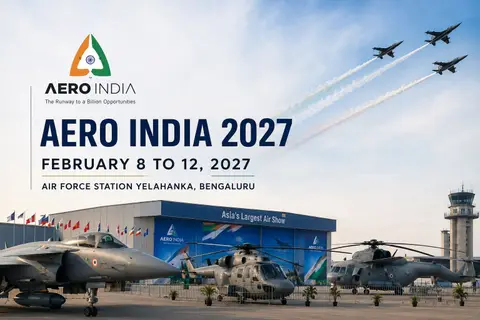 DEFENCE INDUSTRYAero India 2027 Dates Confirmed for February 8 to 12 in Bengaluru
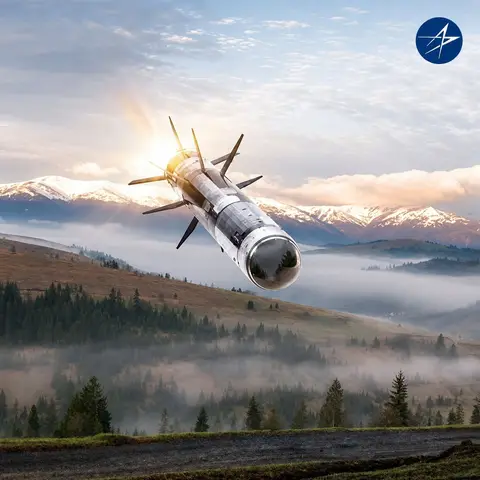 DEFENCE INDUSTRYJavelin missile co-production advances as Tata Advanced Systems signs Javelin Joint Venture pact
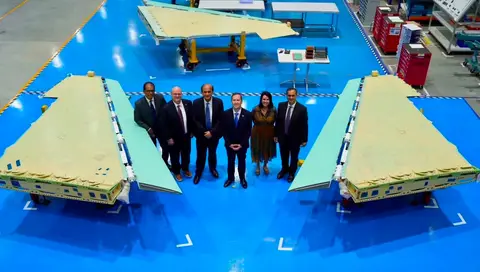 DEFENCE INDUSTRYTata Lockheed Martin MTA push gets a lift from US envoy's Hyderabad visit
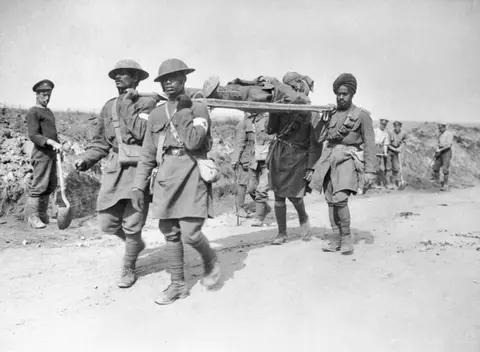
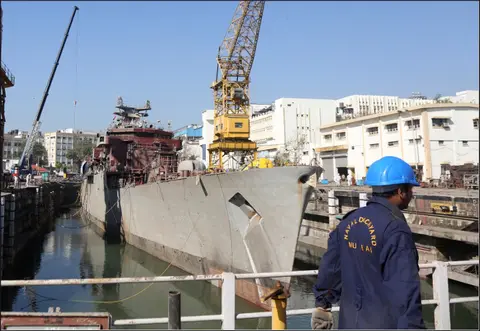
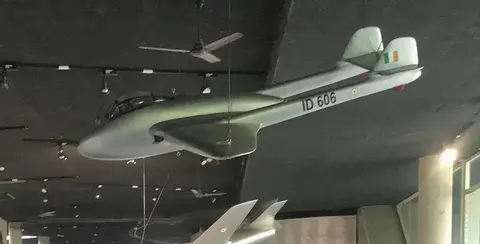
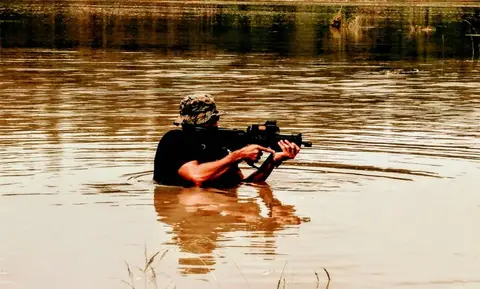
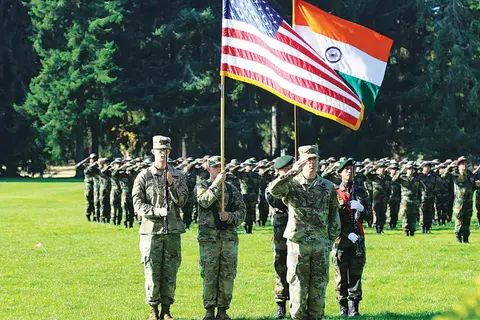
The Indian Armed Forces are the military forces of the Republic of India, made up of three professional services — the Indian Army, the Indian Navy and the Indian Air Force — together with the Indian Coast Guard and a growing set of tri-service organisations. The President of India is the constitutional Supreme Commander, while day-to-day policy runs through the Ministry of Defence in New Delhi. Raised and modernised over more than seven decades since independence in 1947, the forces are tasked with defending India's land borders with Pakistan and China, securing its coastline and island territories, and contributing to United Nations peacekeeping missions around the world.
Key facts
- Comprises the Indian Army, Indian Navy and Indian Air Force, each led by its own service chief of four-star rank
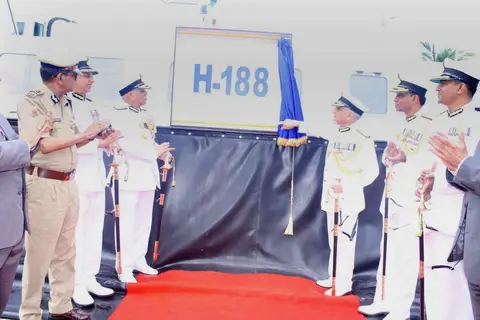
- Indian Coast Guard, raised in 1978 under the Coast Guard Act, operates as a distinct armed force for coastal security and maritime law enforcement
- Chief of Defence Staff (CDS), a post created in 2019, is the principal military adviser to the government; Lieutenant General N. S. Raja Subramani took over the role in 2026, succeeding General Anil Chauhan
- Department of Military Affairs, headed by the CDS, sits within the Ministry of Defence and drives jointness among the services
- Combined active strength runs to well over a million personnel, among the largest militaries in the world
- Tri-service formations include the Andaman and Nicobar Command, the Strategic Forces Command and the Integrated Defence Staff
Structure and oversight
Each service — Army, Navy and Air Force — retains its own chief of staff and chain of command, reporting through the Ministry of Defence rather than a single unified military commander. The Chiefs of Staff Committee, now chaired in effect by the CDS, coordinates strategy and major procurement across the services. Below the national level, each service organises its own commands, with the Army alone running seven geographic and functional commands covering every land frontier and training establishment.
Towards integrated theatre commands
India has for several years been working towards reorganising its single-service commands into joint theatre commands that would place Army, Navy and Air Force assets in a given geographic sector under one commander, on the model used by several other major militaries. Proposals under discussion include a maritime theatre command, an air defence command and land-facing theatre commands opposite Pakistan and China, though the transition has been phased carefully given the scale and complexity of the reorganisation.
Global standing
India ranks among the top few countries worldwide by defence spending and troop numbers, fields nuclear-capable strategic forces under the Strategic Forces Command, and is a long-standing contributor of troops and police to UN peacekeeping operations. It also maintains a domestic defence-industrial base spanning ordnance factories, defence public sector undertakings and a fast-growing private manufacturing sector under the Atmanirbhar Bharat self-reliance drive.
Together, the Army, Navy, Air Force and Coast Guard give India the capacity to deter conflict on two active fronts, police one of the world's busiest sea lanes, and project humanitarian and disaster-relief support across the wider Indian Ocean region.