

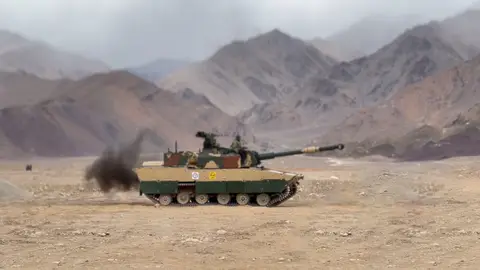
 DEFENCE INDUSTRYTata Zorawar light tank clears Army's L1 hurdle for Rs 20,000 crore contract
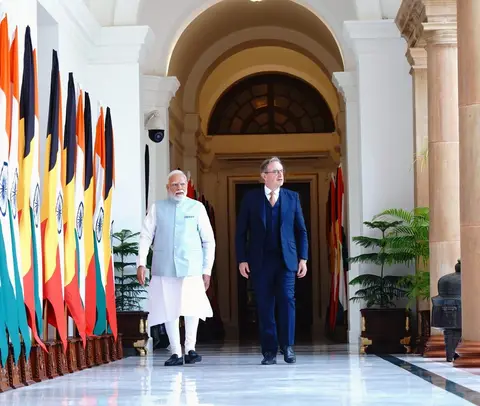 DEFENCE INDUSTRYIndia Belgium Defence Deals Sealed As PM De Wever Visits Delhi
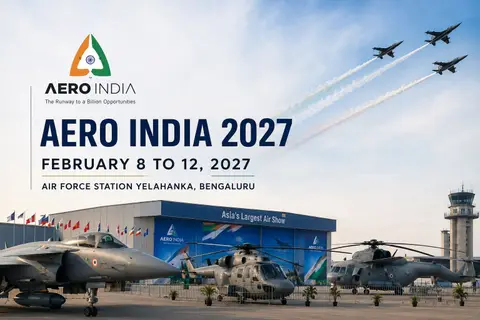 DEFENCE INDUSTRYAero India 2027 Dates Confirmed for February 8 to 12 in Bengaluru
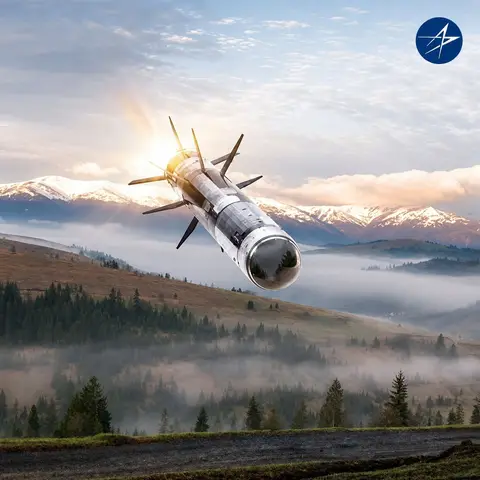 DEFENCE INDUSTRYJavelin missile co-production advances as Tata Advanced Systems signs Javelin Joint Venture pact
 DEFENCE INDUSTRYTata Lockheed Martin MTA push gets a lift from US envoy's Hyderabad visit
Ajit Doval Saudi Arabia talks ran in Riyadh on Monday, with the National Security Adviser meeting Saudi Foreign Minister Prince Faisal bin Farhan to take stock of the strategic partnership and the state of a fast-moving region. Riyadh set the venue.
The Saudi foreign ministry put out the readout. On its official account it said the two sides reviewed bilateral relations and ways to strengthen the strategic partnership between the two friendly countries, then turned to the latest regional developments alongside efforts to enhance energy security and protect maritime corridors.
https://x.com/KSAmofaEN/status/2079265603236364707?ref_src=twsrc%5Etfw%7Ctwcamp%5Etweetembed%7Ctwterm%5E2079265603236364707%7Ctwgr%5E835c4c8acb03592506f2c491ffb3053902b6b911%7Ctwcon%5Es1_c10&ref_url=https%3A%2F%2Fpublish.x.com%2F%3Furl%3Dhttps%3A%2F%2Ftwitter.com%2FKSAmofaEN%2Fstatus%2F2079265603236364707
What the Ajit Doval Saudi Arabia meeting covered
Four threads sat on the table, going by the Saudi account: bilateral ties, the strategic partnership itself, the regional picture, and the linked questions of energy security and safe sea lanes. Ambassador Dr Saud Al-Sati, the Deputy Minister for Political Affairs, was in the room.
None of that is a departure. It is the working agenda India and Saudi Arabia have carried through the Strategic Partnership Council, the apex body the two set up to steer the relationship. Doval was in Riyadh in April as well, holding meetings with senior Saudi leadership on much the same ground, bilateral relations, energy cooperation and the region.
Energy security and the oil relationship
The energy line matters to New Delhi in plain commercial terms. Saudi Arabia is among the largest sources of India's crude and petroleum imports, a dependence the Ministry of External Affairs flags in its own briefings. Anything that touches the security of Gulf shipping touches the flow of oil into Indian refineries.
Maritime corridors and the regional file
Protecting maritime corridors was named directly in the Saudi statement. The phrase carries weight in a year when Gulf and Red Sea shipping has been under repeated strain, and when the Indian Navy has kept a standing presence across the western Indian Ocean.
India has run this conversation with more than one Gulf capital. Doval's West Asia rounds have included talks with Iran on the region and energy security, and the defence track with the Emirates has moved in parallel through the India UAE Strategic Defence Partnership. The Saudi meeting fits that wider Gulf outreach.
The regional developments the two discussed were not spelled out. Read against the calendar, the file is not hard to guess: the strain running across West Asia, the state of the sea lanes, and the pressure both put on the energy routes India leans on.
Defence industry and capacity building
Defence has become a real strand of the partnership rather than an afterthought. The two countries cooperate on defence industries and capacity building, and Indian platforms have started to feature in Gulf procurement conversations, including the BrahMos export talks under way with the Emirates. Saudi Arabia belongs to that same widening market for Indian defence manufacturing. Riyadh is part of that conversation.
Ajit Doval Saudi Arabia ties on a steady build
The scaffolding has been going up a while. In December, India's ambassador Suhel Ajaz Khan and Saudi Deputy Minister for Protocol Affairs Abdulmajeed bin Rashed Alsmari signed a bilateral Visa Waiver Agreement, easing movement under the Strategic Partnership Council. Trade and investment run steady.
Then there is the human ballast. About 2.7 million Indians live and work in Saudi Arabia, the Ministry of External Affairs reckons, a community it calls a living bridge between the two countries. That population is the largest single reason the relationship stays close whoever is in office in either capital.
India keeps a full diplomatic footprint in the Kingdom through its mission in Riyadh, with the wider bilateral brief handled by the Ministry of External Affairs. The Saudi side issued Monday's readout through its Ministry of Foreign Affairs.

COMMENTS
JOIN THE DISCUSSION