

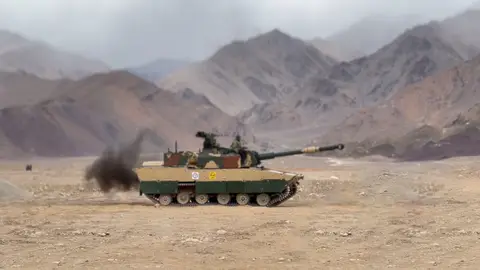
 DEFENCE INDUSTRYTata Zorawar light tank clears Army's L1 hurdle for Rs 20,000 crore contract
 DEFENCE INDUSTRYIndia Belgium Defence Deals Sealed As PM De Wever Visits Delhi
 DEFENCE INDUSTRYAero India 2027 Dates Confirmed for February 8 to 12 in Bengaluru
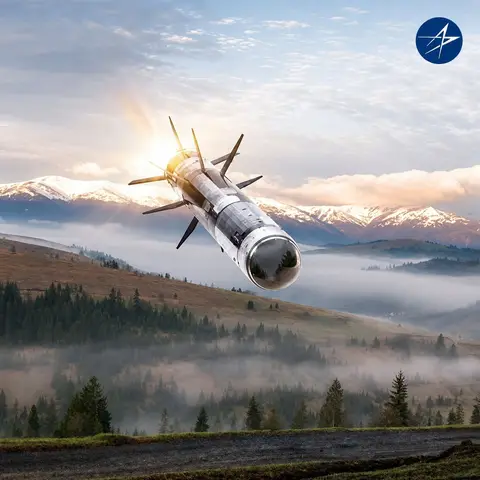 DEFENCE INDUSTRYJavelin missile co-production advances as Tata Advanced Systems signs Javelin Joint Venture pact
 DEFENCE INDUSTRYTata Lockheed Martin MTA push gets a lift from US envoy's Hyderabad visit
IAF Assam flood relief operations have run for ten days, with Indian Air Force helicopters lifting 458 stranded citizens to safety and delivering more than nine tonnes of relief material across the flood-hit stretches of Assam and Nagaland. Crews flew through unsettled monsoon weather, working with the Army and the civil administration to reach communities the flood waters had cut off.
The Air Force put out the figures on Tuesday. The IAF Assam flood relief tally over the ten days came to 458 people rescued or evacuated, alongside the nine-plus tonnes of essential supplies flown into settlements that road convoys could no longer service.
Winch rescues and relief runs
Images released with the statement show the range of the task. In one, an aircrew winches an elderly woman aboard in a rescue basket, a river valley and scattered rooftops below her. In others, residents file aboard a medium-lift helicopter on a grass clearing, bundles of relief stores are carried out to a waiting aircraft on a tarmac, and a helicopter sets down on a small forest strip ringed by villagers.
These are the two halves of a flood airlift. People out, supplies in.
IAF Assam flood relief alongside the Army effort
The Air Force operation runs in parallel with the ground relief mounted by the Army and the state response teams. The Army has been running Operation Jal Rahat across the flood-hit Assam districts, pulling residents out of inundated villages and moving relief columns where the terrain allows. The helicopters cover the reaches those columns cannot, the marooned hamlets and hill pockets that only an aircraft can service.
Assam's floods return with the monsoon each year as the Brahmaputra and its tributaries rise. Districts along the river go under, road and rail links snap, and the response leans on boats and, where the water isolates people completely, on aircraft.
Nagaland and the hill terrain
Nagaland sets a different problem. Its hill districts flood and slip rather than submerge, and the narrow valleys and broken roads make helicopter access the quicker option in many places. The Air Force did not break its figures down by state, reporting the 458 rescues and the relief tonnage across Assam and Nagaland together.
Working with the Army and civil authorities
The flying was described as close coordination with the Indian Army and civil authorities, the standard arrangement for a domestic disaster. Requests for casualty evacuation or relief drops come up through the district administration and the state disaster management machinery, coordinated with the National Disaster Response Force and overseen nationally by the National Disaster Management Authority; the military lift is tasked against them.
A standing disaster-relief role
Flood and disaster relief is routine work for the Indian military through the monsoon. The Coast Guard has been running its own flood rescues along the Daman and south Gujarat coast, and Army units mounted a flash-flood rescue in Rajouri earlier this month. The Indian Air Force keeps helicopters and transport aircraft on call for these tasks, and its crews train for the winch and slung-load work the Assam and Nagaland photographs show.
https://x.com/IAF_MCC/status/2082010681227067521?ref_src=twsrc%5Etfw%7Ctwcamp%5Etweetembed%7Ctwterm%5E2082010681227067521%7Ctwgr%5Ee892e146045620274062e877df6d2908d7f3ff25%7Ctwcon%5Es1_c10&ref_url=https%3A%2F%2Fpublish.x.com%2F%3Furl%3Dhttps%3A%2F%2Ftwitter.com%2FIAF_MCC%2Fstatus%2F2082010681227067521


COMMENTS
JOIN THE DISCUSSION