

 INDIA DEFENCEDhruv NG Helicopter Explained: What HAL Has Actually Put Into Pawan Hans Service
 INDIA DEFENCELCA FOC Trainers Delivered With HTT 40 and Dhruv NG as Rajnath Singh Asks Engineers for Technologies That Do Not Exist
 DEFENCE INDUSTRYTata Zorawar light tank clears Army's L1 hurdle for Rs 20,000 crore contract
 DEFENCE INDUSTRYIndia Belgium Defence Deals Sealed As PM De Wever Visits Delhi
 DEFENCE INDUSTRYAero India 2027 Dates Confirmed for February 8 to 12 in Bengaluru
The IAF Wing Commander arrest in May has been linked to an alleged honey trap operation run by a Pakistani intelligence operative, officials said on Saturday, in a case that has since moved from a Delhi Police charge sheet to the courts. The officer was posted at a field unit on the Western Front when he came under scrutiny for allegedly sharing sensitive defence related information after an online contact with a woman deepened into regular video calls.
How the IAF Wing Commander arrest unfolded
The Indian Air Force's own intelligence wing picked up the thread first. Interactions between the officer and the woman on social media raised suspicion internally, and the unit placed him under active surveillance before the matter was handed to civilian law enforcement.
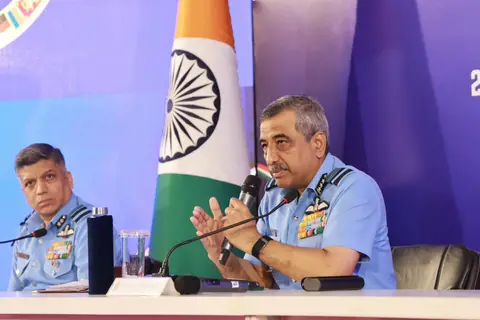
"He was under active surveillance and was handed over to the suitable law enforcement agencies," an IAF spokesperson said.
No details of the officer's exact posting beyond the Western Front designation have been made public. Security establishments routinely withhold unit level specifics once a case reaches a court, and this one is no exception. The IAF has not said whether the officer held an operational flying role or a ground duty appointment at the time of his arrest.
A personal relationship that turned into a security breach
Officials said the officer had been going through a difficult phase in his personal life around the time the online contact began. What started as messaging on social media turned into regular video calls, the kind of pattern investigators say Pakistan based handlers have repeatedly used to build trust before asking for information.
The relationship gave the alleged handler an opening. Officials have not detailed what material was shared or over what period, and IDW has not been able to independently verify those specifics beyond what the IAF and Delhi Police have stated on record.
Delhi Police charge sheet under the Official Secrets Act
The officer was arrested on May 30, 2026, after a complaint from the Indian Air Force, the Delhi Police said. He has been booked under provisions of the Official Secrets Act, the law that governs the handling of classified state and military information in India.
"Based upon a complaint by Indian Air Force authorities, a serving Air Force officer was arrested on May 30th, for allegations of being honey trapped by a Pakistani intelligence operative," the Delhi Police said in a statement.
Investigators completed their inquiry over the following two months. A charge sheet was submitted before the competent court on July 30, and the Delhi Police confirmed the matter is now sub judice, which limits what either the force or the IAF can say publicly while proceedings continue. Cases filed under the Act are tried before designated courts and carry penal provisions that can extend to lengthy imprisonment depending on the material found to have been compromised.
What officials have not disclosed
The officer's name, his exact unit and his seniority within the Wing Commander grade have not been released. Neither has the woman's identity been confirmed beyond her description as a Pakistani intelligence operative. That reticence is standard practice in Official Secrets Act cases still working through the courts, where premature disclosure can complicate a prosecution already under way. It also mirrors how the IAF and Delhi Police have handled earlier honey trap prosecutions involving service personnel, where identifying details typically surface only once a trial concludes.
Part of a wider pattern along the western border
Security agencies have flagged repeated attempts by Pakistan based operatives to target serving Indian defence personnel through social media in recent years, using fabricated profiles and prolonged online relationships to extract information gradually rather than all at once.
Officers posted along the western sectors facing Pakistan, where units maintain a heightened operational tempo, are considered a particular focus for this kind of approach. That concern has run alongside the Indian Air Force's broader information security messaging to serving personnel and the Army's own continuing scrutiny of security along the Line of Control, an area the Central Command review earlier this month also touched on. Cyber and counter intelligence units across the services have in recent years issued repeated internal advisories cautioning personnel against unverified contacts on mainstream social platforms.
The case surfaces in the same week as renewed public attention on Jammu and Kashmir and Ladakh security messaging tied to the seventh anniversary of the Article 370 abrogation, though the two matters are unconnected in any official statement issued so far. Both the Ministry of Defence and the Delhi Police have referred further queries to the ongoing court proceedings.
The case comes amid heightened scrutiny by security agencies of attempts by Pakistan based intelligence operatives to target serving personnel through social media platforms and alleged honey trapping.



COMMENTS
JOIN THE DISCUSSION