

 INDIA DEFENCEDhruv NG Helicopter Explained: What HAL Has Actually Put Into Pawan Hans Service
 INDIA DEFENCELCA FOC Trainers Delivered With HTT 40 and Dhruv NG as Rajnath Singh Asks Engineers for Technologies That Do Not Exist
 DEFENCE INDUSTRYTata Zorawar light tank clears Army's L1 hurdle for Rs 20,000 crore contract
 DEFENCE INDUSTRYIndia Belgium Defence Deals Sealed As PM De Wever Visits Delhi
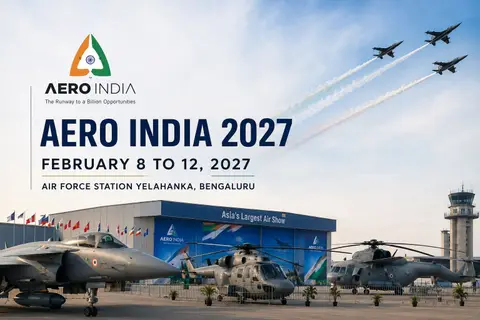 DEFENCE INDUSTRYAero India 2027 Dates Confirmed for February 8 to 12 in Bengaluru
India Uzbekistan defence cooperation moved forward on Wednesday as the two countries held the Sixth Joint Working Group Meeting on Defence Cooperation in Tashkent, taking stock of a relationship that has run on this format since 2019 and that now spans training, education and an emerging industrial strand.
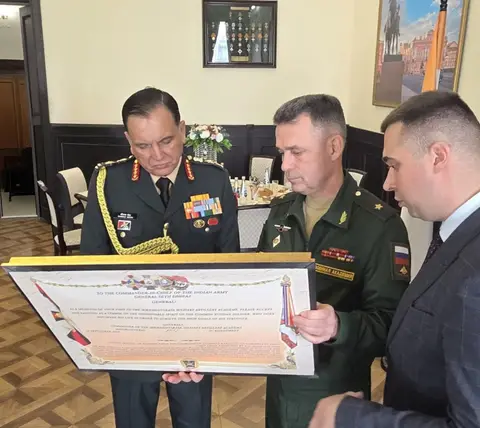
Joint Secretary Dinesh Kumar of India's Ministry of Defence co-chaired the session, alongside Lt Col Sukhrobjon Sodikjonovich Sirojov, who heads the Central Department for International Military Cooperation at Uzbekistan's Ministry of Defence and led the Uzbek side through the day's agenda.
India Uzbekistan defence cooperation across four tracks
The Joint Working Group agenda covered joint training and exercises, capacity building, defence education and the setting up of new defence industries, with officials on both sides treating Wednesday's session as a stocktaking exercise against the commitments made at the previous round rather than as a venue for fresh announcements.
Training came first. The two sides agreed future joint exercises will run on specialised modules built around counter-terrorism operations and interoperability. These drills will be held on both Indian and Uzbek soil, giving personnel from each side a chance to pick up the other's operating practices directly rather than through liaison briefings alone, and to test what each has learned since the last round.
DUSTLIK as the working template
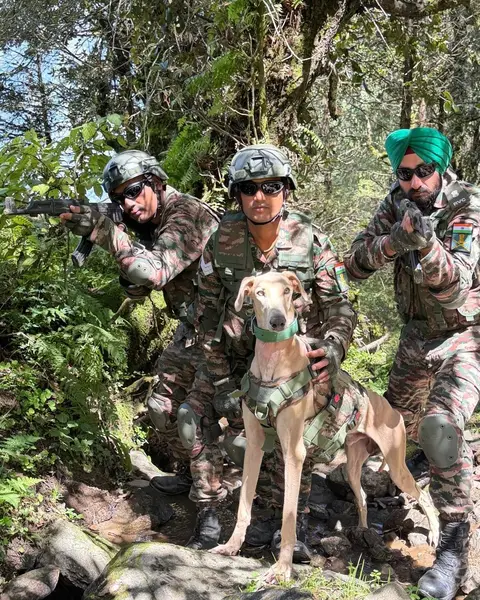
The exercise the two militaries already run together is DUSTLIK. Its seventh edition ran from April 12 to 25, 2026, at the Gurumsaray Field Training Area in Namangan, with contingents from the Indian Army's Mahar Regiment and the Indian Air Force taking part, offering a working template for the modules envisaged now.
The drill worked semi-mountainous and semi-urban terrain, with joint tactical drills, strike missions and special operations aimed at neutralising unlawful armed groups all featuring on the schedule.
Capacity building gets a campus visit
Beyond the talks table, the Indian delegation travelled to Tashkent's University of Military Security and Defence to take stock of the capacity-building programmes India already runs there. Existing educational courses and technical assistance arrangements will be reviewed and expanded where the two sides see a gap, according to the readout of the meeting.
Defence education keeps recurring in India's outreach across Central Asia.
The university visit gave the Indian side a direct look at how its existing commitments are running on the ground, rather than relying only on written reports filed back to Delhi between JWG rounds.
An opening for India's defence industry
The industrial side of the meeting reflected India's own shift into a defence exporting country. Manufacturing cooperation featured in the discussion, with both sides going into technology exchange and equipment maintenance arrangements tied to Uzbekistan's interest in building up its own defence industrial base, a genuinely newer element in a relationship that has mostly run on training and education until now.
New Delhi has been offering the same package, indigenous platforms paired with technology transfer, across several partner capitals this year. The Uzbek conversation follows that pattern rather than breaking new ground on substance, and whether it converts into an actual contract is a separate question this working-level review does not answer on its own.
India Uzbekistan defence cooperation inside a wider diplomatic track
The JWG round did not happen in isolation. It follows talks in New Delhi between External Affairs Minister S Jaishankar and Uzbekistan's Foreign Minister Bakhtiyor Saidov, hosted at the Ministry of External Affairs, which touched on security and critical resource partnerships alongside the wider bilateral relationship. The defence track and the foreign ministry track are now running in parallel rather than in sequence.
India's defence engagement with Uzbekistan predates the JWG mechanism and has been described by officials as longstanding and wide ranging, a description the Ministry of Defence has used in earlier readouts of the relationship as well. The framework the two sides now use to manage it has completed six rounds since 2019, a pace of roughly one meeting a year that has held even as the relationship has added defence manufacturing as a new strand.
Regional context matters here. India's bilateral defence policy dialogues elsewhere in Asia and the Strategic Defence Partnership Framework talks with the UAE follow a broadly similar shape to the Tashkent round, structured government-to-government dialogue backed by working-level committees. Central Asia has been slower to build that kind of standing architecture than the Gulf, which is part of why the Joint Defence Committee India runs with Zimbabwe offers a useful comparison for how these formats mature once they move past their early rounds.
The Ministry of Defence carried the Tashkent outcomes through its official handle, tagging India's envoy in Tashkent and the Ministry of External Affairs.
https://x.com/SpokespersonMoD/status/2084989501760495977?ref_src=twsrc%5Etfw%7Ctwcamp%5Etweetembed%7Ctwterm%5E2084989501760495977%7Ctwgr%5Eb2aa5287045db148b667af21be2084821d739188%7Ctwcon%5Es1_c10&ref_url=https%3A%2F%2Fpublish.x.com%2F%3Furl%3Dhttps%3A%2F%2Ftwitter.com%2FSpokespersonMoD%2Fstatus%2F2084989501760495977
COMMENTS
JOIN THE DISCUSSION