

 DEFENCE INDUSTRYSMPP Drone Manufacturing Push: Firm Shifts From Ammunition to Unmanned Warfare, Targets Integrated Defence Capabilities
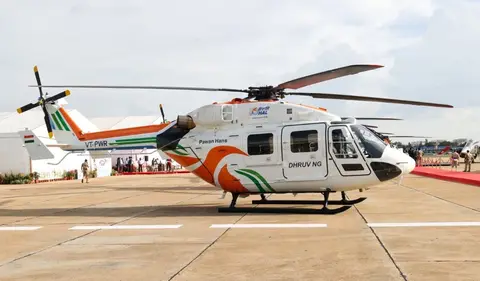 INDIA DEFENCEDhruv NG Helicopter Explained: What HAL Has Actually Put Into Pawan Hans Service
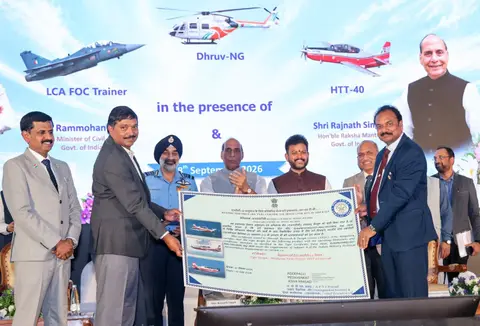 INDIA DEFENCELCA FOC Trainers Delivered With HTT 40 and Dhruv NG as Rajnath Singh Asks Engineers for Technologies That Do Not Exist
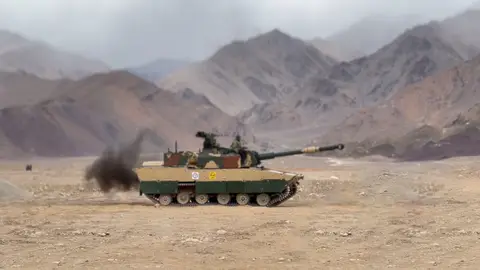 DEFENCE INDUSTRYTata Zorawar light tank clears Army's L1 hurdle for Rs 20,000 crore contract
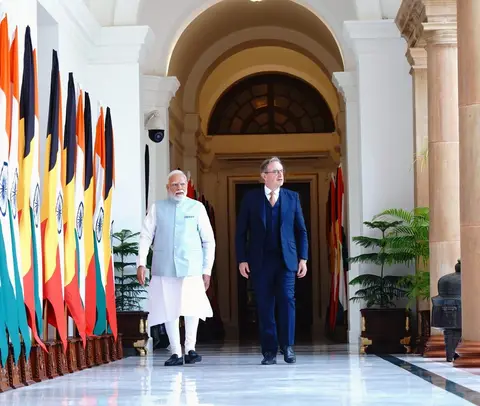 DEFENCE INDUSTRYIndia Belgium Defence Deals Sealed As PM De Wever Visits Delhi
The KAZIND-2026 opening ceremony was held at Oskemen in Kazakhstan on Tuesday, formally starting the joint training between Indian and Kazakh troops.
Senior officers at the KAZIND-2026 opening ceremony
Major General Zhenis Maralov, Chief of Regional Command East of the Armed Forces of Kazakhstan, presided over the ceremony. Senior Kazakh military officials attended, along with Colonel Pankaj Vidyarthi, Defence Attaché of India to Kazakhstan.
Maj Gen Maralov and Colonel Arun Dev Singh Jamwal, the Indian Contingent Commander, addressed the troops. Both wished the contingents success.
Training gets under way
The KAZIND-2026 opening ceremony marked the start of the joint training phase. According to the Ministry of Defence, troops from both countries have begun coordinated training and interaction, and the event gave the two contingents a chance to build camaraderie and mutual understanding.
Training will continue at Oskemen with progressive joint drills and tactical activities, the ministry said.
The ninth edition of KAZIND
This is the ninth edition of the India-Kazakhstan joint military exercise. It runs from 28 September to 11 October 2026 and is one of several joint exercises on the Indian Army's calendar this autumn, including Nomadic Elephant with Mongolia at Pithoragarh and Yudh Abhyas 2026 with the US Army at Auli and Mahajan.
The 60-member Indian contingent left for Kazakhstan on Monday. It is drawn mainly from a battalion of the Garhwal Rifles of the Indian Army, with personnel from the Indian Air Force. Kazakhstan has fielded a contingent of similar strength, mainly from its Land Forces.
What the troops will practise at KAZIND-2026
The focus is on joint counter-terrorism operations in a sub-conventional setting under a United Nations mandate, according to an earlier Ministry of Defence release. The drills will be held in semi-urban and mountainous terrain.
Drones, helicopters and a final test
Unmanned Aerial Systems and Counter-UAS capabilities are part of the programme. So are raids, search-and-destroy missions, cordon-and-search operations, securing helipads and Special Heliborne Operations.
The two sides will set up a Joint Command Post and an Intelligence and Surveillance Centre.
The two weeks will end with a validation exercise, in which both contingents will put their joint drills to work against a simulated terrorist threat.
COMMENTS
JOIN THE DISCUSSION