
 DEFENCE INDUSTRYTata Zorawar light tank clears Army's L1 hurdle for Rs 20,000 crore contract
 DEFENCE INDUSTRYIndia Belgium Defence Deals Sealed As PM De Wever Visits Delhi
 DEFENCE INDUSTRYAero India 2027 Dates Confirmed for February 8 to 12 in Bengaluru
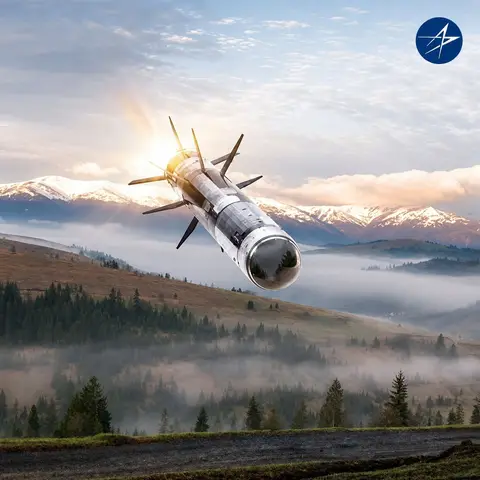 DEFENCE INDUSTRYJavelin missile co-production advances as Tata Advanced Systems signs Javelin Joint Venture pact
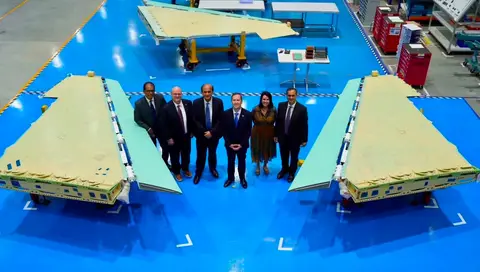 DEFENCE INDUSTRYTata Lockheed Martin MTA push gets a lift from US envoy's Hyderabad visit
The Indian Air Force organises its operational and administrative functions through seven commands spread across the country. Each command is headed by an Air Officer Commanding-in-Chief of Air Marshal rank and functions as a formation responsible for a defined geographic sector or a specialised functional role.
Key facts
- Total commands: seven, five operational and two functional
- Each command is led by an Air Officer Commanding-in-Chief (Air Marshal rank)
- Operational commands: Western, Eastern, Central, South Western and Southern Air Commands
- Functional commands: Training Command and Maintenance Command
- Overall command rests with the Chief of the Air Staff at Air Headquarters, New Delhi
Operational commands
Western Air Command, headquartered in New Delhi, is the IAF's largest and most sensitive operational command, guarding the border with Pakistan across Jammu and Kashmir, Punjab, Himachal Pradesh and Haryana, and includes major bases such as Ambala, Hindon and Leh. Eastern Air Command, based at Shillong in Meghalaya, is responsible for the north-eastern states and the long, mountainous frontier with China, operating frontline bases such as Tezpur and Chabua. Central Air Command, headquartered at Prayagraj in Uttar Pradesh, covers north-central India and has played a key logistical role in disaster-relief operations in the Himalayan region. South Western Air Command, based in Gandhinagar, Gujarat, oversees the desert sector bordering Pakistan's Sindh province, including bases such as Jodhpur. Southern Air Command, headquartered at Thiruvananthapuram in Kerala, is the oldest of the IAF's commands and is responsible for peninsular India, coastal defence and several key training establishments, alongside operational bases such as Thanjavur.
Functional commands
Unlike the geographically defined operational commands, Training Command and Maintenance Command support the IAF across the entire country. Training Command, headquartered in Bengaluru, oversees the flying, technical and ground training establishments that produce the IAF's pilots, navigators and technical personnel, including institutions such as the Air Force Academy. Maintenance Command, headquartered in Nagpur, Maharashtra, is responsible for the repair, overhaul and servicing of aircraft, engines and equipment through a network of base repair depots, keeping the fleet serviceable and extending the operational life of ageing airframes.
Why the command structure matters
The division into operational and functional commands allows the IAF to fight and sustain itself at the same time: operational commands concentrate combat power against specific threat axes, Pakistan in the west and China in the north and east, while the functional commands guarantee a steady supply of trained personnel and airworthy aircraft. This structure has evolved since independence, with commands re-designated and boundaries redrawn as strategic priorities shifted, most notably the creation of South Western Air Command in 2004 to sharpen the desert-sector response opposite Pakistan.
Together, the seven commands give the Indian Air Force a layered organisation that mirrors its dual responsibility of deterring conflict along two active borders while maintaining the training and logistics backbone needed to keep a large, technologically diverse fleet flying.