

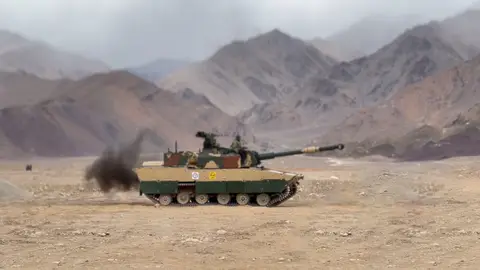
 DEFENCE INDUSTRYTata Zorawar light tank clears Army's L1 hurdle for Rs 20,000 crore contract
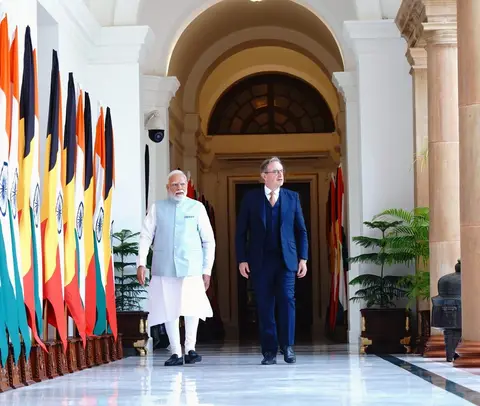 DEFENCE INDUSTRYIndia Belgium Defence Deals Sealed As PM De Wever Visits Delhi
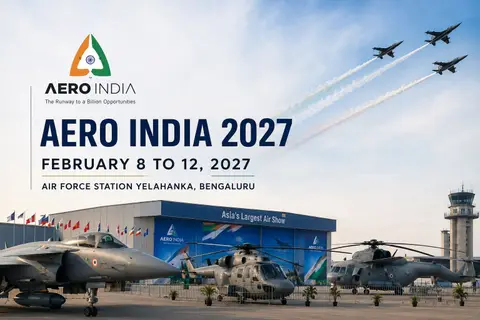 DEFENCE INDUSTRYAero India 2027 Dates Confirmed for February 8 to 12 in Bengaluru
 DEFENCE INDUSTRYJavelin missile co-production advances as Tata Advanced Systems signs Javelin Joint Venture pact
 DEFENCE INDUSTRYTata Lockheed Martin MTA push gets a lift from US envoy's Hyderabad visit
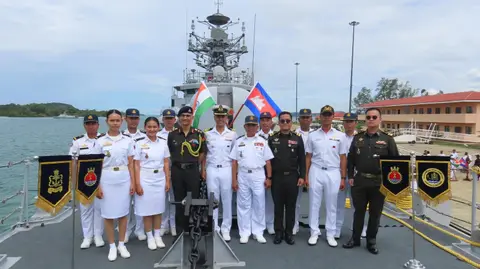
The Colombo Security Conclave exercise concluded on Friday at Eastern Naval Command in Visakhapatnam, capping a three day Table Top Exercise built around a coordinated response to illicit maritime activities across the Indian Ocean Region, according to a Ministry of Defence release.
The exercise opened on Wednesday with an address by Rear Adm Manoj Jha, Chief Staff Officer (Operations) at Eastern Naval Command, who set the theme for the three days that followed. Delegations and maritime security experts from the Colombo Security Conclave's member and observer states then worked through simulated operational scenarios for more than 72 hours.
What the Colombo Security Conclave exercise war gamed
The scenarios centred on non traditional security threats that rarely respect a single navy's jurisdiction: maritime terrorism, narcotics smuggling, human trafficking and illegal, unreported and unregulated fishing, referred to in official shorthand as IUU fishing.
That range of threats is close to the grouping's founding logic, since none of them can be tackled by one country's coast guard or navy working alone.
https://x.com/indiannavy/status/2098667300903891179?ref_src=twsrc%5Etfw%7Ctwcamp%5Etweetembed%7Ctwterm%5E2098667300903891179%7Ctwgr%5Ef7be3b26ee27378004f5645be0a10f06e1de79b7%7Ctwcon%5Es1_c10&ref_url=https%3A%2F%2Fpublish.x.com%2F%3Furl%3Dhttps%3A%2F%2Ftwitter.com%2Findiannavy%2Fstatus%2F2098667300903891179
Streamlining information sharing across the Indian Ocean
Participants used the sessions to review existing Standard Operating Procedures governing how the participating countries exchange maritime intelligence. The stated goal was streamlined information sharing arrangements that sharpen collective Maritime Domain Awareness, the term of art for tracking what is moving through the Indian Ocean Region and flagging what needs a response.
The Colombo Security Conclave exercise and a widening grouping
The Colombo Security Conclave began as a trilateral arrangement between India, Sri Lanka and the Maldives before widening to include Mauritius as a full member, with Bangladesh and Seychelles taking part as observer states. A banner at the Visakhapatnam venue carried all six flags side by side. Maritime security sits alongside counter terrorism and radicalisation, combating trafficking and transnational organised crime, cyber security, and humanitarian assistance and disaster relief among the areas the grouping works across, per its own Ministry of External Affairs record.
Its remit has widened steadily since the original trilateral meetings, tracking a decade in which Indian Ocean states have leaned harder on shared maritime domain awareness rather than unilateral patrolling.
Eastern Naval Command's hosting role
Hosting fell to Eastern Naval Command, the Navy's headquarters for the eastern seaboard at Visakhapatnam, the same command that coordinated the search for survivors of the bulk carrier MV Ocean Winner in the Bay of Bengal last month. Defence Minister Rajnath Singh had told naval personnel at Visakhapatnam in July that India was the region's primary guarantor of peace and stability.
The emphasis on a coordinated regional response also echoes remarks Rajnath Singh made in Colombo earlier this month, where he called the Colombo Security Conclave more relevant than ever given the pace of regional change.
Aligned with the MAHASAGAR vision
The exercise, the Ministry of Defence said, reaffirms the collective resolve of the Colombo Security Conclave nations to foster peace, stability and prosperity in the region, and is aligned with the vision of MAHASAGAR, Mutual and Holistic Advancement for Security and Growth Across Regions.
COMMENTS
JOIN THE DISCUSSION