

 MINISTRY OF DEFENCEDelhi Defence Dialogue 2026: Self-reliance means no hostage to outside suppliers, says Rajnath Singh
 MINISTRY OF DEFENCENext Generation Corvettes contracts worth Rs 53,866.50 crore signed with GRSE and GSL
 MINISTRY OF DEFENCEBDL single tender for anti-tank missile sights goes to firm set up by former CMD Siddharth Mishra
 DEFENCE INDUSTRYBrahMos export orders: Vietnam deal worth about $100 million, Indonesia $200 million as Akash reaches Tajikistan, Turkmenistan
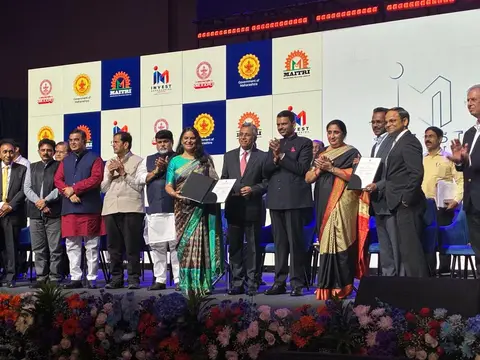 DEFENCE INDUSTRYMahindra Embraer Nagpur facility to assemble C-390 if IAF picks the aircraft
Harimau Shakti casualty care drills have put Indian and Malaysian soldiers through the treatment of gunshot and blast wounds at Ipoh in Malaysia, as part of the joint military exercise between the two armies, the Indian Army said.
The Indian contingent is drawn from a Bhairav Light Commando Battalion. The sessions covered battlefield first aid and the evacuation of wounded soldiers.
Harimau Shakti casualty care drills cover gunshot and blast wounds
According to the Army, personnel from both sides took part in demonstrations on Battlefield Casualty Management. The training moved through systematic casualty assessment, haemorrhage control, tourniquet application and trauma management under combat conditions. Speed and precision were the stated priorities, along with timely medical intervention.
Each step follows a set order. A wounded soldier is first checked for the most serious threat to life, and heavy bleeding is stopped before anything else. A tourniquet is a tight band fixed above a wound on an arm or leg. It cuts off blood flow to the limb and can keep a casualty alive until a surgeon is reached. Military medicine widely regards uncontrolled bleeding as the leading cause of preventable death on the battlefield, which is why it is drilled first.
CASEVAC and MEDEVAC drills move the wounded to treatment
The Harimau Shakti casualty care programme also covered coordinated casualty evacuation, including CASEVAC and MEDEVAC procedures, the Army added.
The two terms mean different things. CASEVAC, or casualty evacuation, moves a wounded soldier out of the fight in whatever vehicle or aircraft is at hand, often with limited medical care on the way. MEDEVAC, or medical evacuation, uses a dedicated ambulance or helicopter with trained medical staff on board. In both cases the aim is to get the casualty to proper treatment within the first hour after injury, often called the golden hour. Air evacuation of this kind is routine work for the forces at home too. In October, an Indian Air Force C-130J flew a critically ill civilian out of Ladakh at night in a Leh casualty evacuation to Delhi.
The Army said the training would improve combat survivability, operational readiness and interoperability between the two armies.
Indian Army medical team runs outreach at Clinic Pos Bewong
The medical team of the Indian contingent visited Clinic Pos Bewong and conducted a community outreach programme with the local population. The Army described the visit as part of its humanitarian outreach and community welfare work, aimed at building goodwill beyond military training.
Harimau Shakti 2026 runs at Ipoh until 30 November
The exercise opened at Ipoh on 19 November with 120 personnel from each army. Troops are training for counter-terrorism operations under a United Nations mandate in jungle and semi-urban terrain, with drone-based surveillance and counter-drone drills on the schedule along with raids and cordon-and-search operations, according to the Ministry of Defence.
Drone sessions came earlier in the week
Before the medical demonstrations, troops from both sides held sessions on Manned-Unmanned Teaming, intelligence integration, geospatial applications and emerging military technologies.
Harimau Shakti is held in India and Malaysia by turn. The fifth edition was conducted at the Mahajan Field Firing Range in Rajasthan in December 2025, with the Indian contingent drawn mainly from the Dogra Regiment, the ministry said at the time. Malaysia sent troops from the 25th Battalion of the Royal Malaysian Army, and that round concluded in the Rajasthan desert. The Army has since trained with Indonesian special forces at Banyuwangi in Exercise Garuda Shakti.
Harimau Shakti 2026 will close with a joint validation exercise built on a simulated counter-terrorism mission.
COMMENTS
JOIN THE DISCUSSION