

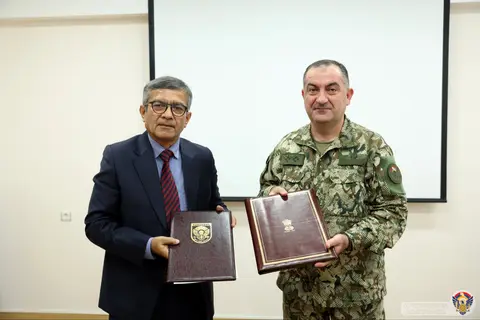
 DEFENCE INDUSTRYBrahMos export orders: Vietnam deal worth about $100 million, Indonesia $200 million as Akash reaches Tajikistan, Turkmenistan
 DEFENCE INDUSTRYMahindra Embraer Nagpur facility to assemble C-390 if IAF picks the aircraft
 DEFENCE INDUSTRYSMPP Drone Manufacturing Push: Firm Shifts From Ammunition to Unmanned Warfare, Targets Integrated Defence Capabilities
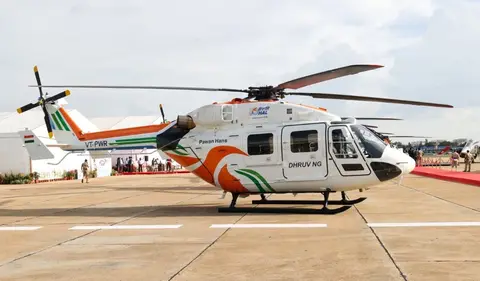 INDIA DEFENCEDhruv NG Helicopter Explained: What HAL Has Actually Put Into Pawan Hans Service
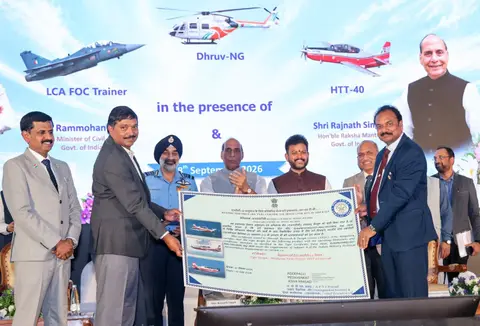 INDIA DEFENCELCA FOC Trainers Delivered With HTT 40 and Dhruv NG as Rajnath Singh Asks Engineers for Technologies That Do Not Exist
The MH-60R Seahawk delivery at Kochi last week brought another Romeo into Indian Navy hands, and two more are due to arrive this week, the United States Embassy in New Delhi has said.
The embassy put the update out on X on Friday. It credited Lockheed Martin as the developer, named Kochi as the point of handover and called the American defence relationship with India one that continues to strengthen. No tail number was given, and no squadron allotment.
https://x.com/USAndIndia/status/2077969527552532518?ref_src=twsrc%5Etfw%7Ctwcamp%5Etweetembed%7Ctwterm%5E2077969527552532518%7Ctwgr%5Ec69f4340679fc1a988e53937dbcccc5d72d37a7e%7Ctwcon%5Es1_c10&ref_url=https%3A%2F%2Fpublish.x.com%2F%3Furl%3Dhttps%3A%2F%2Ftwitter.com%2FUSAndIndia%2Fstatus%2F2077969527552532518
Where the MH-60R Seahawk delivery lands
Kochi has carried the Romeo programme from the beginning. INAS 334, the Seahawks, was commissioned at INS Garuda on 6 March 2024 as the first MH-60R squadron in Indian service, and the station has taken in airframes flown across from the United States since deliveries to Indian soil began. The city is also where the Navy will commission Malvan on 22 July, a coincidence of the calendar rather than the programme.
They come in by air. The first pair to reach Indian soil landed at the Naval Air Enclave at Cochin International Airport in July 2022, flown across aboard a United States Air Force C-17.
Two squadrons, two seaboards
The second unit sits on the west coast. INAS 335, the Ospreys, was commissioned at INS Hansa in Goa on 17 December 2025, with Adm Dinesh K Tripathi, then Chief of the Naval Staff, presiding. Capt Dhirender Bisht, the commanding officer designate, read the commissioning warrant. The plaque was unveiled in the presence of Vice Adm Krishna Swaminathan, then Flag Officer Commanding-in-Chief of the Western Naval Command and now the Navy chief.
Between them the two squadrons put the Romeo on both seaboards, aboard carriers, destroyers and the Project 17A frigates.
The Goa ceremony fell in a year the Indian Navy was marking 75 years since the government approved the raising of a Fleet Air Arm, and on the anniversary of the night Indian ships sailed for Goa in Operation Vijay.
What the Romeo carries
The fit is what separates the aircraft from the Sea Kings it replaces. For the hunt below the surface it works a dipping sonar, sonobuoys, a multi-mode radar and the Mk-54 lightweight torpedo. Against surface targets it takes AGM-114 Hellfire missiles, torpedoes and machine guns, cued by radar and electro-optical sensors that find and identify the contact first. The long-range sensors are what let one airframe screen a carrier group, hold a stretch of sea lane and pick a submarine out of a wide search box.
The rest of the task list runs to search and rescue, medical evacuation, surveillance and vertical replenishment, and the aircraft flies from a shore station as readily as from a flight deck. It is the maritime branch of the Blackhawk family, and the American Navy and a spread of partner fleets fly the same machine.
The Operation Sindoor record
The Romeo has already been used in anger. Speaking after the second squadron was raised, Adm Dinesh K Tripathi said the helicopters had flown in Operation Sindoor and did what they were supposed to do, and he put them in TROPEX-25 and the tri-services exercise that followed. He called the platform potent and well proven. The type sits behind the theatre-level anti-submarine command role the Navy took at RIMPAC 2026 this month.
The Rs 7,995 crore sustainment contract
In December 2025 the Ministry of Defence approved a contract worth about Rs 7,995 crore to sustain the fleet of 24.
What the money buys is spares, support equipment, training, technical assistance and the repair and replenishment of components, along with intermediate-level repair and periodic maintenance facilities inside India. That last item is the one that shifts availability. The stated aims run to long-term readiness, interoperability with American forces and maritime security across the Indian Ocean Region.
The 24-aircraft American case
India bought the helicopters under a Foreign Military Sales agreement concluded in 2020. The first pair was handed over in the United States in July 2021, well before any airframe reached Kochi, and the type began taking over from Sea Kings the Navy had flown since the 1980s.
Reporting in June this year put the Navy in early discussion on a follow-on order, driven by a shortage of shipborne anti-submarine helicopters that the original 24 does not close. Nothing has been announced.
No official count on the record
Every MH-60R Seahawk delivery has been announced piecemeal. Neither the embassy post nor the wire copy that followed says where the tally stands.
Neither the Ministry of Defence nor the Navy publishes a running total of Romeos received against the 24 ordered, and the figures carried in open reporting do not agree with one another. Lockheed Martin has said the case will close by the end of 2026. IDW is not putting a number on the fleet until the Navy or the ministry states one.

COMMENTS
JOIN THE DISCUSSION