

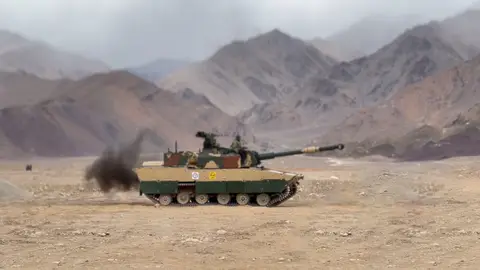
 DEFENCE INDUSTRYTata Zorawar light tank clears Army's L1 hurdle for Rs 20,000 crore contract
 DEFENCE INDUSTRYIndia Belgium Defence Deals Sealed As PM De Wever Visits Delhi
 DEFENCE INDUSTRYAero India 2027 Dates Confirmed for February 8 to 12 in Bengaluru
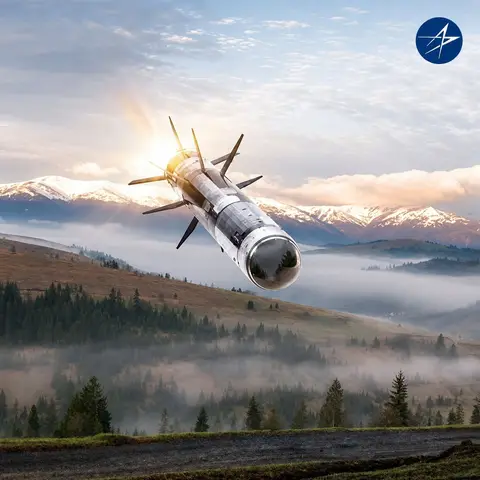 DEFENCE INDUSTRYJavelin missile co-production advances as Tata Advanced Systems signs Javelin Joint Venture pact
 DEFENCE INDUSTRYTata Lockheed Martin MTA push gets a lift from US envoy's Hyderabad visit
Xtreme Weather Grade Diesel, a fuel built to keep Army vehicles running in extreme cold, was launched in New Delhi on Friday by General Dhiraj Seth, Chief of the Army Staff. Developed jointly by the Indian Army and the Oil Marketing Companies, it is meant to protect the mobility, safety and operational availability of combat and logistics vehicles in conditions where ordinary diesel fails.
COAS calls XWG Diesel a game changing indigenous innovation
General Seth called Xtreme Weather Grade Diesel a game changing indigenous innovation, one that would improve mobility, operational readiness and mission reliability across extreme climatic conditions. He said it would do away with the workarounds troops have long relied on to keep vehicles running through severe winters, and linked that to better safety and morale for personnel.
He commended the Army team and the Oil Marketing Companies for delivering the fuel within a year, and said he expected the collaboration to produce further specialised fuels for different operational requirements.
A fuel that holds at minus 42 degrees Celsius
Conventional diesel thickens and clogs fuel filters once the temperature drops far enough, which is precisely the problem for vehicles working in high-altitude and snow-bound areas. XWG Diesel is formulated to stay usable at temperatures as low as minus 42 degrees Celsius.
It meets BS-VI standards and the IS 1460:2025 specification, and can run in the Indian Army's existing vehicle fleet without any engine modification or re-homologation.
The terrain the fuel is built for
The Indian Army holds some of the highest and coldest terrain in the world, and vehicles in these sectors have long contended with fuel that gels in the cold and filters that choke. A drop-in diesel that works down to minus 42 degrees, without any change to the engine, meets that problem directly.
Xtreme Weather Grade Diesel and the self-reliance drive
The Army has framed Xtreme Weather Grade Diesel as a step towards Aatmanirbhar Bharat, developed at home rather than bought from a foreign supplier. It arrives alongside a wider self-reliance push across the services, from the indigenisation appeals aired by the Air Force leadership this week to home-built platforms rolling out of Indian yards, among them the latest anti-submarine warfare craft launched at Cochin Shipyard.
A use beyond the military
The technology is not confined to Army logistics. The same fuel can benefit civilian users in high-altitude and severe winter regions, where vehicles and equipment face the same cold-start and reliability problems that stall military columns.





COMMENTS
JOIN THE DISCUSSION