
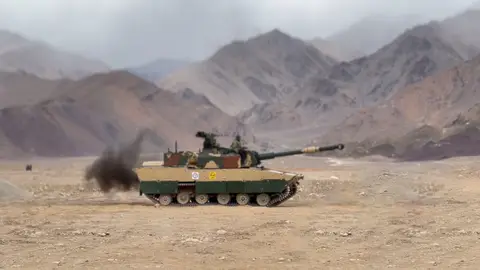
 DEFENCE INDUSTRYTata Zorawar light tank clears Army's L1 hurdle for Rs 20,000 crore contract
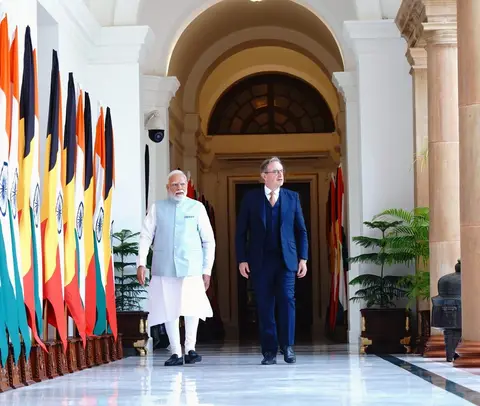 DEFENCE INDUSTRYIndia Belgium Defence Deals Sealed As PM De Wever Visits Delhi
 DEFENCE INDUSTRYAero India 2027 Dates Confirmed for February 8 to 12 in Bengaluru
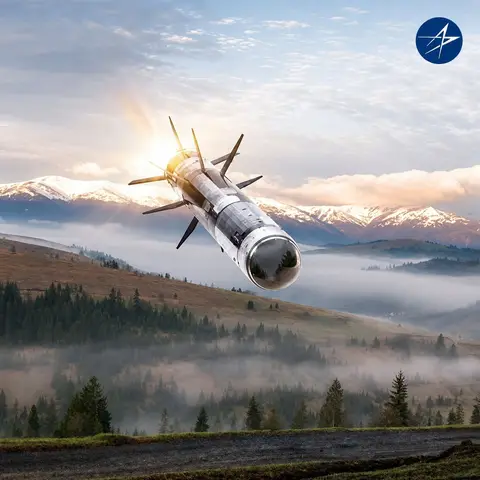 DEFENCE INDUSTRYJavelin missile co-production advances as Tata Advanced Systems signs Javelin Joint Venture pact
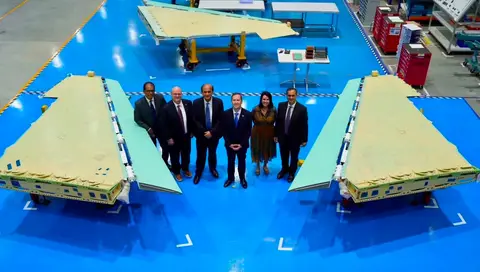 DEFENCE INDUSTRYTata Lockheed Martin MTA push gets a lift from US envoy's Hyderabad visit
Make in India, launched in September 2014 and sharpened for the defence sector under the Atmanirbhar Bharat (self-reliant India) push from 2020 onward, aims to cut India's historic reliance on imported weapons and platforms by building capability at home. In defence, the campaign has combined procurement reforms, indigenisation mandates, liberalised foreign-investment rules and dedicated innovation funding to draw both established industry and start-ups into weapons manufacturing.
Key facts
- Foreign direct investment in defence manufacturing is permitted up to 74 percent under the automatic route, and up to 100 percent with government approval where it brings access to modern technology.
- Five Positive Indigenisation Lists covering more than 5,000 DPSU items have been notified, barring their import beyond specified timelines.
- The Defence Acquisition Procedure (DAP) 2020 places indigenously designed, developed and manufactured (IDDM) equipment at the top of the procurement priority order.
- The Innovations for Defence Excellence (iDEX) scheme has engaged over 675 start-ups and MSMEs since its April 2018 launch.
- The Srijan portal has enabled the indigenisation of more than 15,700 defence items over five years.
Positive Indigenisation Lists
A central plank of the self-reliance drive is the Positive Indigenisation List (PIL) mechanism, under which the Ministry of Defence notifies items, sub-systems and platforms that the armed forces and DPSUs may no longer import beyond a stated date, forcing domestic development. Since the first list was issued in August 2020, five successive lists covering DPSU items — more than 5,000 items in total — have been notified, alongside separate lists issued for the Army, Navy and Air Force. The companion Srijan portal, also launched in August 2020, lets DPSUs and the services publish components they wish to source domestically, inviting private industry and MSMEs to bid for indigenisation.
Defence Acquisition Procedure 2020
DAP 2020 replaced the earlier Defence Procurement Procedure and restructured how the ministry buys equipment, giving top priority to the Buy (Indian-IDDM) category over imports or licensed production. It expanded the Make procedure for indigenous design and development, introduced a leasing category for certain platforms, simplified industrial licensing and trial procedures, and built in provisions to encourage MSME and start-up participation in large programmes rather than leaving them to established primes alone.
FDI liberalisation
Foreign-investment rules have been eased in stages: the automatic-route FDI ceiling in defence, raised from 26 to 49 percent in 2016, was further raised to 74 percent in 2020, removing the need for prior government clearance for most investments. Investment beyond 74 percent, up to 100 percent, remains possible through the government route where a proposal offers access to modern technology or other strategic benefit, a route intended to draw global original equipment manufacturers into joint ventures with Indian partners.
iDEX and platform indigenisation
Launched in April 2018, iDEX funds start-ups and MSMEs working on defence and dual-use innovation through grants, challenges and the ADITI scheme for critical and strategic technologies; by early 2026 it had engaged more than 675 start-ups and MSMEs and signed over 550 development contracts. The cumulative effect of these measures is visible in flagship platforms that now carry high indigenous content, including the Tejas light combat aircraft, the indigenous aircraft carrier INS Vikrant, the Arjun main battle tank, the Akash air-defence missile, the Pinaka multi-barrel rocket system, the Advanced Towed Artillery Gun System and the BrahMos cruise missile.
Together, these measures have shifted defence manufacturing from a licensed-production model reliant on foreign majors to one where Indian public and private industry increasingly design, develop and own the intellectual property behind the platforms in service with the armed forces.