
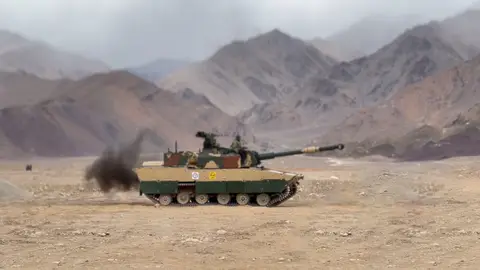
 DEFENCE INDUSTRYTata Zorawar light tank clears Army's L1 hurdle for Rs 20,000 crore contract
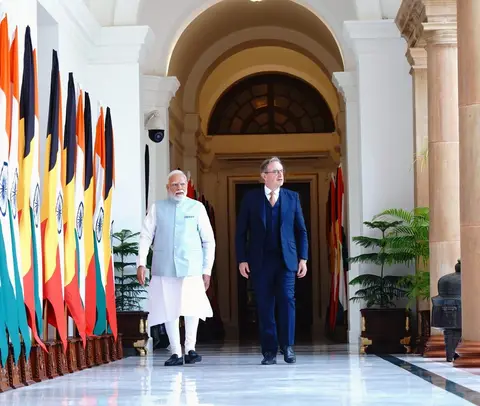 DEFENCE INDUSTRYIndia Belgium Defence Deals Sealed As PM De Wever Visits Delhi
 DEFENCE INDUSTRYAero India 2027 Dates Confirmed for February 8 to 12 in Bengaluru
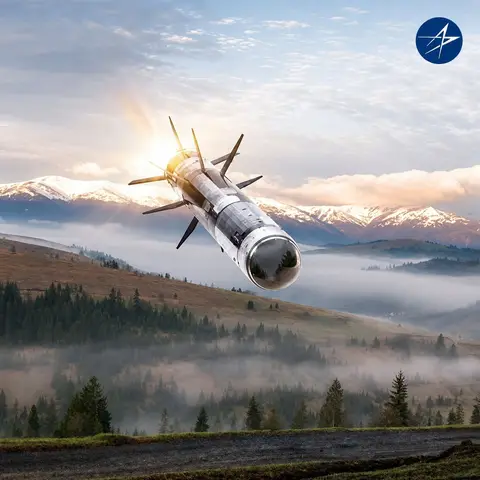 DEFENCE INDUSTRYJavelin missile co-production advances as Tata Advanced Systems signs Javelin Joint Venture pact
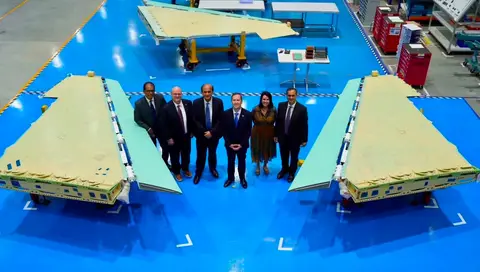 DEFENCE INDUSTRYTata Lockheed Martin MTA push gets a lift from US envoy's Hyderabad visit
India is among the world’s largest arms importers, and successive governments have pursued a deliberate shift toward domestic production to reduce that dependence. Defence manufacturing now spans public sector undertakings, a fast-growing private industry and a startup ecosystem, all shaped by a series of self-reliance policies.
Policy framework
- Make in India & Atmanirbhar Bharat: flagship initiatives to localise design and production of defence equipment.
- Positive indigenisation lists: lists of items barred from import to guarantee demand for domestic manufacturers.
- Defence Acquisition Procedure (DAP) 2020 and higher FDI limits (up to 74% automatic, 100% by approval): designed to attract investment and technology.
Defence industrial corridors
Two dedicated corridors — in Uttar Pradesh and Tamil Nadu — aim to cluster manufacturers, suppliers and testing infrastructure to accelerate production and draw investment.
Public and private industry
Alongside the defence PSUs, private majors such as Tata Advanced Systems, Larsen & Toubro, Adani Defence, Mahindra Defence and Bharat Forge now build platforms, systems and sub-assemblies, supported by thousands of MSMEs and iDEX-backed startups.
Rising exports
India’s defence exports have grown rapidly to record levels, reaching customers across dozens of countries with products from BrahMos missiles to patrol vessels, radars and ammunition — a marker of the sector’s maturing capability.