
 DEFENCE INDUSTRYTata Zorawar light tank clears Army's L1 hurdle for Rs 20,000 crore contract
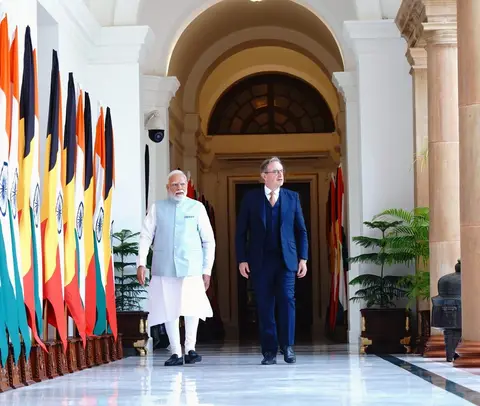 DEFENCE INDUSTRYIndia Belgium Defence Deals Sealed As PM De Wever Visits Delhi
 DEFENCE INDUSTRYAero India 2027 Dates Confirmed for February 8 to 12 in Bengaluru
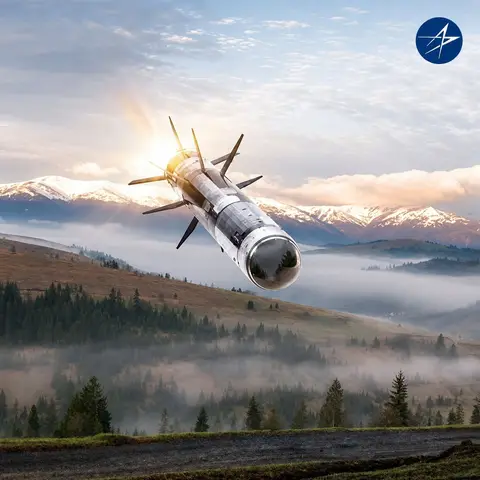 DEFENCE INDUSTRYJavelin missile co-production advances as Tata Advanced Systems signs Javelin Joint Venture pact
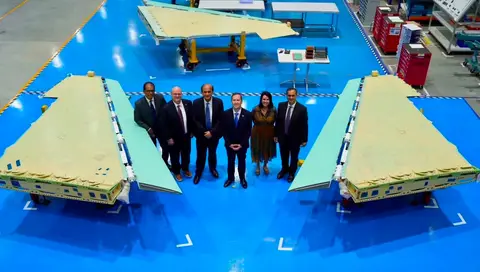 DEFENCE INDUSTRYTata Lockheed Martin MTA push gets a lift from US envoy's Hyderabad visit
Infantry is the largest combat arm of the Indian Army and the force that holds ground, fights close-quarter battles and forms the backbone of operations along the Line of Control, the Line of Actual Control and in counter-insurgency theatres. Organised into around two dozen regiments recruited on regional and historical lines, the infantry has been going through a significant weapons modernisation over the past decade as the Army retires its ageing INSAS rifle family.
Key facts
- Infantry battalions form the basic fighting unit of the Army, each built around several rifle companies
- Major infantry regiments include the Sikh, Rajput, Rajputana Rifles, Jat, Gorkha Rifles, Maratha Light Infantry, Kumaon, Garhwal Rifles, Dogra and Punjab Regiments
- The Army is replacing the indigenous INSAS rifle with the Indo-Russian AK-203 as its primary assault rifle and the US-origin SIG716 for frontline and high-altitude units
- The Parachute Regiment's Special Forces battalions form the infantry's elite direct-action units
- Infantry soldiers increasingly carry modern bullet-proof jackets, helmets and night-vision equipment under the Army's soldier-modernisation programmes
- Since 2022, most new infantry recruits have joined under the Agnipath short-service enlistment scheme
Weapons modernisation
For years the Army's frontline rifle was the INSAS (Indian Small Arms System), an indigenous 5.56mm rifle that entered service in the 1990s but drew persistent complaints over reliability in extreme conditions. The Army has since moved to a dual-rifle approach: the AK-203, built at a joint Indo-Russian factory at Korwa in Uttar Pradesh, is being inducted as the standard assault rifle for the wider infantry, prized for its ruggedness and close-quarter firepower, while the SIG716 battle rifle, imported from the United States under successive fast-track orders, has been issued to frontline units deployed along the borders with China and Pakistan for its accuracy and stopping power at longer ranges.
Regiments and recruitment
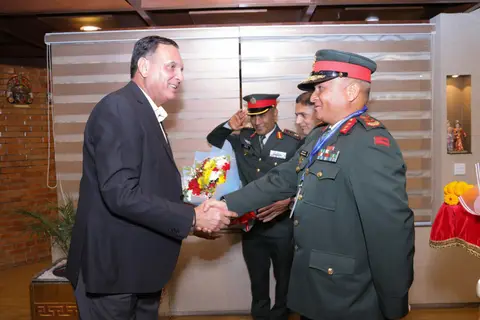
Infantry regiments retain their own regimental centres, which recruit and train soldiers before posting them to battalions serving across the country, regardless of where the regiment's traditional recruiting ground lies. This regimental identity, combined with rotational postings between peace and field areas, is intended to sustain unit cohesion through decades of continuous operational deployment. The Gorkha Rifles regiments recruit Nepali-origin Gorkha soldiers under a long-standing arrangement linked to Nepal, while newer formations such as the Mechanised Infantry Regiment fight from infantry combat vehicles alongside armour rather than on foot.
High-altitude and specialised roles
A significant share of the infantry is permanently postured for high-altitude warfare, including units acclimatised and equipped for the Siachen Glacier and the passes of Ladakh and Arunachal Pradesh, where extreme cold and altitude sickness pose as much of a threat as any adversary. Mountain divisions built around infantry battalions form the backbone of India's deployment along the Line of Actual Control with China, while other infantry formations rotate through counter-insurgency duties in Jammu and Kashmir and the north-eastern states, often under dedicated formations such as the Rashtriya Rifles.
Equipment and future plans
Beyond small arms, the infantry has been steadily fielding modern body armour, thermal and night-vision sights, hand-held drones and improved communications equipment as part of a long-running future-infantry modernisation effort, alongside India's broader push to manufacture more of its defence equipment domestically. Plans under discussion include further indigenisation of ammunition production and wider issue of infantry combat vehicles to mechanised units.
As the arm that ultimately holds and takes ground, the infantry remains the largest single claim on the Army's manpower and a central focus of its modernisation spending in the years ahead.
_TWrOniBtCw.jpg)