
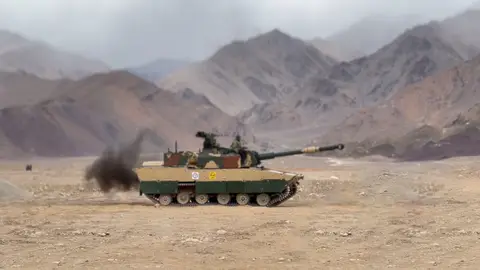
 DEFENCE INDUSTRYTata Zorawar light tank clears Army's L1 hurdle for Rs 20,000 crore contract
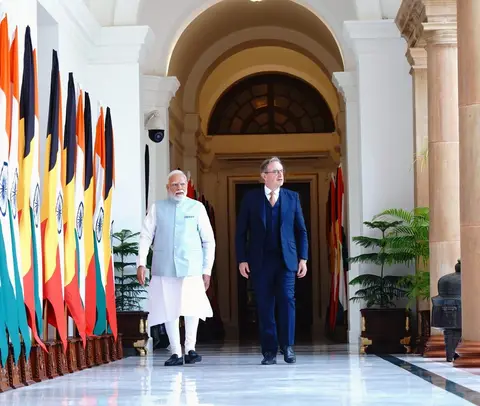 DEFENCE INDUSTRYIndia Belgium Defence Deals Sealed As PM De Wever Visits Delhi
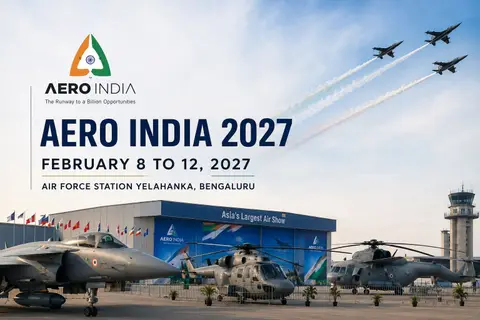 DEFENCE INDUSTRYAero India 2027 Dates Confirmed for February 8 to 12 in Bengaluru
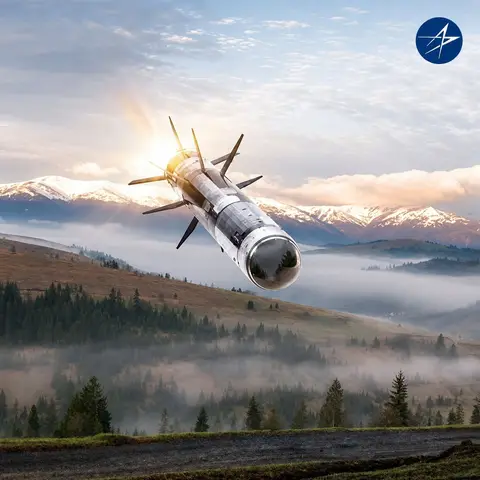 DEFENCE INDUSTRYJavelin missile co-production advances as Tata Advanced Systems signs Javelin Joint Venture pact
 DEFENCE INDUSTRYTata Lockheed Martin MTA push gets a lift from US envoy's Hyderabad visit
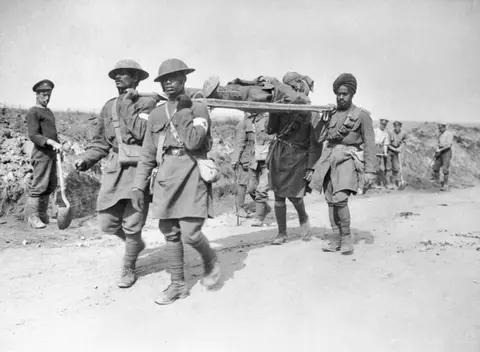
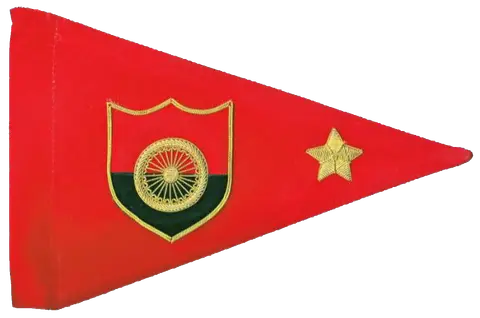
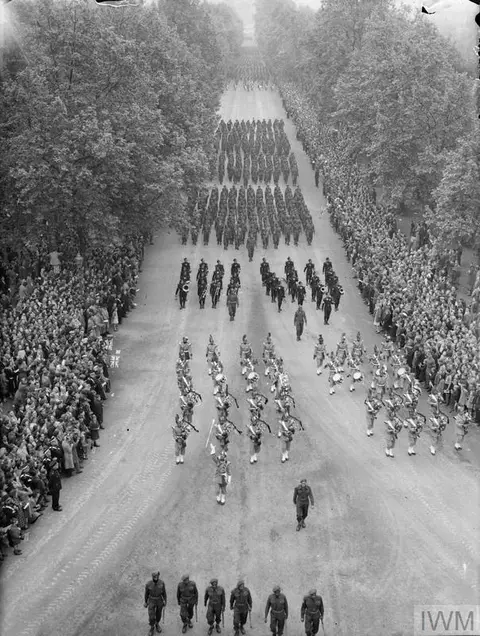
The Indian Army is the land-warfare service of the Indian Armed Forces and by far their largest component, responsible for safeguarding India's territorial integrity, defending its land borders and supporting civil authorities during internal security operations and natural disasters. It traces its lineage to the British Indian Army, reorganised as the army of independent India after 1947, and has since fought several wars with Pakistan and one with China while running one of the world's longest-serving UN peacekeeping deployments.
Key facts
- An all-volunteer force with roughly 1.2 million active personnel and several hundred thousand more in reserve, making it the world's largest volunteer army
- Headed by the Chief of the Army Staff (COAS); General Dhiraj Seth took over as the 31st COAS on 30 June 2026, succeeding General Upendra Dwivedi
- Organised into seven commands — six operational or geographic commands plus the Army Training Command (ARTRAC)
- Major combat arms include Infantry, the Armoured Corps, the Regiment of Artillery, Army Air Defence, the Corps of Engineers, Mechanised Infantry and Army Aviation
- Supported by services such as the Corps of Signals, Army Service Corps, Army Ordnance Corps and the Corps of Electronics and Mechanical Engineers (EME)
- Headquartered at Integrated Headquarters, Ministry of Defence (Army), in New Delhi
Role and mandate
The Army's primary role is deterring and defeating external aggression along India's land borders with Pakistan and China, both of which involve long stretches of high-altitude and disputed terrain such as the Line of Control and the Line of Actual Control. Beyond conventional defence, the Army runs sustained counter-insurgency and counter-terrorism operations in Jammu and Kashmir and the north-eastern states, provides aid to civil power during riots and natural disasters, and has for decades been one of the largest troop contributors to United Nations peacekeeping missions.
Structure and chain of command
Below Army Headquarters, the force is divided into seven commands, each led by a General Officer Commanding-in-Chief of Lieutenant General rank. Commands are further broken down into corps, divisions, brigades, battalions and companies, with the infantry battalion remaining the basic fighting and administrative unit around which the Army's distinctive regimental system is built. Specialist arms such as armour, artillery, air defence and engineers are similarly organised into their own regiments and corps, each with its own training centres and traditions.
History
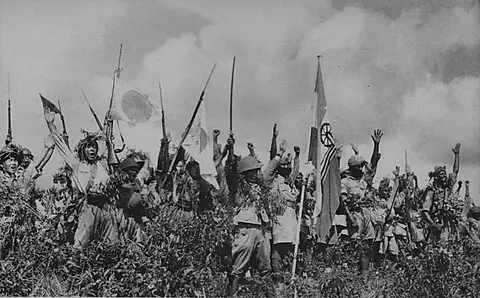
The modern Indian Army was formed in 1947 from the bulk of the British Indian Army after the partition of British India, inheriting its regimental traditions while gradually Indianising its officer corps, a process largely completed by the early 1950s. It has since fought Pakistan in 1947–48, 1965, 1971 and the 1999 Kargil conflict, and China in 1962, alongside sustained deployments in Jammu and Kashmir, the north-east and, since 1984, the Siachen Glacier, the world's highest battlefield. The Param Vir Chakra, India's highest wartime gallantry award, has been awarded to Army personnel more often than to any other service.
Modernisation
The Army has been steadily modernising its equipment under the government's Atmanirbhar Bharat self-reliance drive, inducting locally built AK-203 assault rifles, Dhanush and K9 Vajra self-propelled howitzers, Arjun and upgraded T-90 tanks, and new air-defence and drone systems, while expanding its network-centric command-and-control infrastructure. Recruitment has shifted partly to the Agnipath scheme, under which most new soldiers are enrolled for a four-year tenure, with a minority retained for longer full careers.
As the largest and most visible of India's armed services, the Indian Army remains central to national security policy, crisis response and the country's standing as a major regional military power.