

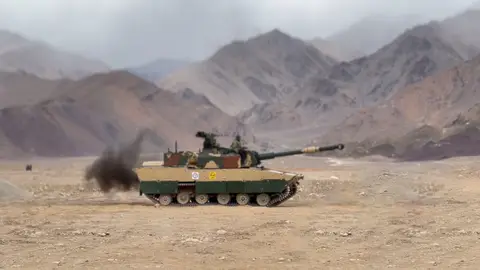
 DEFENCE INDUSTRYTata Zorawar light tank clears Army's L1 hurdle for Rs 20,000 crore contract
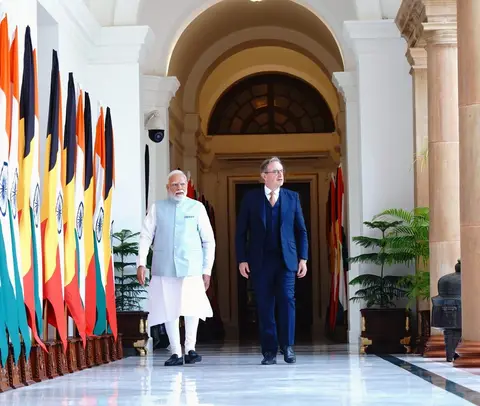 DEFENCE INDUSTRYIndia Belgium Defence Deals Sealed As PM De Wever Visits Delhi
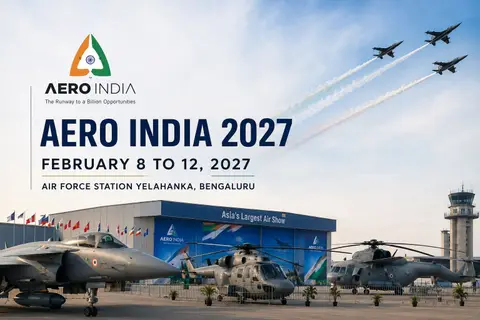 DEFENCE INDUSTRYAero India 2027 Dates Confirmed for February 8 to 12 in Bengaluru
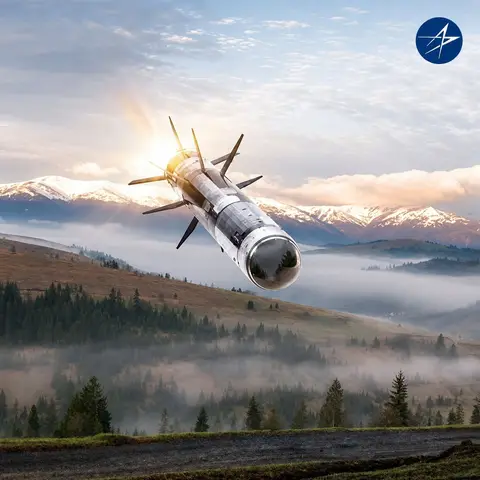 DEFENCE INDUSTRYJavelin missile co-production advances as Tata Advanced Systems signs Javelin Joint Venture pact
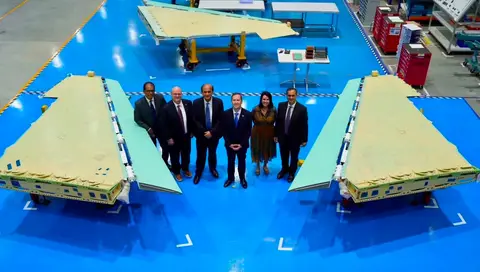 DEFENCE INDUSTRYTata Lockheed Martin MTA push gets a lift from US envoy's Hyderabad visit
Air Marshal Ashutosh Dixit Named Next IAF Vice Chief, Assumes Charge July 1
Air Marshal Ashutosh Dixit has been appointed as the next Vice Chief of the Air Staff of the Indian Air Force, with the officer set to assume his new charge on July 1, 2026. The appointment was confirmed on June 5 and marks a significant step in the leadership transition at Air Headquarters, bringing to the post one of the IAF's most decorated fighter and test pilots.
Dixit currently serves as the Chief of Integrated Defence Staff at Headquarters Integrated Defence Staff, a role in which he has been centrally placed in the government's push to build greater jointness across the three services as India moves towards Theaterisation. His elevation to Vice Chief comes at a time when the IAF is managing a dense modernisation agenda, pressing forward on indigenous platforms while also integrating frontline imported assets acquired over the past decade.
A Career Built on Fighter Operations and Indigenous Development
Air Marshal Ashutosh Dixit was commissioned into the fighter stream of the Indian Air Force on December 6, 1986. His early career placed him on the front line of the IAF's operational fighter fleet, and over the decades that followed he accumulated more than 3,300 hours of flying experience across over 20 aircraft types. The types he flew include the Mirage-2000, MiG-21 and Jaguar, three aircraft that collectively defined the IAF's strike and air defence posture across much of the post-Cold War period.
He is a Qualified Flying Instructor and an Experimental Test Pilot, credentials that placed him at the intersection of the IAF's operational requirements and the development work being done at institutions like the Aircraft and Systems Testing Establishment in Bengaluru. His time at ASTE, both as a test pilot and later as Commanding Officer of the Flight Test Squadron, saw him involved in several indigenous upgrade and development programmes. These included avionics upgrades for the Jaguar and the MiG-27, work that sat directly within the broader national effort to extend the service life and capability of legacy platforms through Indian-developed solutions.
That hands-on involvement in indigenous development was not incidental. It ran as a consistent thread through multiple postings. Across his different stints at Air Headquarters, Dixit was instrumental in promoting indigenous fighter projects within the IAF, lending institutional weight to programmes that the force has been building under the framework of Aatmanirbhar Bharat. His ability to navigate both the operational and the technical dimensions of fighter aviation gave him a particular credibility within the Air Headquarters environment when it came to advancing these programmes.
The MMRCA Trials and Air Staff Requirements
One of the more consequential roles in Dixit's career at Air Headquarters was his tenure as Director of Air Staff Requirements, where he played a central role in the planning and conduct of the Medium Multi-Role Combat Aircraft trials. The MMRCA process was among the most closely watched defence procurement exercises India undertook in the 2000s and early 2010s, drawing in six of the world's leading combat aircraft manufacturers and generating sustained attention from governments, defence industries and analysts across multiple continents.
The trials themselves were technically demanding and required a deep understanding of both the IAF's operational requirements and the technical parameters being assessed across the competing aircraft. Dixit's position as Director of Air Staff Requirements placed him at the centre of that process, responsible for ensuring that the requirements the IAF had articulated were tested rigorously and that the evaluations were conducted with the rigour the programme demanded. The experience added a further dimension to a career already shaped by test flying and indigenous development work.
Command Experience and Recognition
Beyond the technical and staff roles, Dixit also commanded a premier Fighter Training Base in the Southern Sector. Under his command, the base was adjudged the best in the Command, an outcome that reflected both his operational leadership and his ability to sustain the standards and readiness that fighter training requires. Command of a training base at that level carries a weight that extends beyond instruction: it involves managing the pipeline of pilots who will go on to fly the IAF's frontline fleet, and doing so within the resource and operational constraints that every base commander navigates.
His educational background spans the key institutions of the Indian and wider defence establishment. He is an alumnus of the National Defence Academy at Khadakwasla, the Defence Services Staff College in Bangladesh and the National Defence College in New Delhi. The combination of NDA, DSSC and NDC marks a career trajectory that has consistently passed through the formal education milestones the services use to identify and develop officers destined for senior command and staff responsibilities.
Air Marshal Ashutosh Dixit Steps Into a Demanding Brief
The Vice Chief of the Air Staff is the second-highest position in the IAF's chain of command, with the incumbent responsible for day-to-day administration and the management of ongoing programmes across the service. It is a role that demands an officer capable of holding together the multiple threads of a force that is simultaneously managing fleet transitions, capability development, operational readiness and the broader institutional demands of the Theaterisation process.
On Theaterisation, Dixit arrives at the Vice Chief's desk with direct experience of the joint structures being built to support it. His tenure as CISC placed him at the interface between the three services and the structures that will eventually house the joint theatre commands. That exposure is not something every officer stepping into the Vice Chief's role would carry, and it positions him to contribute constructively to a process that has moved forward steadily even as the precise timelines and structures have continued to evolve.
The IAF's indigenous development agenda is the other major thread Dixit brings with him. From his test pilot work on Jaguar and MiG-27 avionics upgrades to his role in shaping Air Staff Requirements during the MMRCA process and his subsequent stints at Air Headquarters promoting indigenous fighter programmes, his career has been oriented toward the question of how India builds and sustains its own air combat capability. As Vice Chief, he will be positioned to drive that agenda from the top of the organisation.
India's defence acquisition environment has changed substantially since Dixit was first navigating these questions from staff positions. The government's push under Aatmanirbhar Bharat has created a more structured framework for indigenous development, with higher domestic content requirements, dedicated funding mechanisms and a stronger industrial base than existed a decade ago. The Advanced Medium Combat Aircraft programme, the LCA Tejas Mk2 and the broader ecosystem of indigenously developed systems the IAF is drawing on represent the current expression of an effort that officers like Dixit helped shape from within the institution.
Air Marshal Ashutosh Dixit will formally take over as Vice Chief of the Air Staff on July 1, 2026, bringing to the role over three decades of fighter aviation, test flying and senior staff experience across some of the most consequential procurement and development processes the IAF has managed in the post-Cold War era.
About the Vice Chief of the Air Staff
The Vice Chief of the Air Staff is the second-in-command of the Indian Air Force, responsible for assisting the Chief of Air Staff in the overall administration and management of the service. The Vice Chief oversees key functional directorates at Air Headquarters and plays a central role in coordinating procurement, personnel and operational planning across the IAF.
For the latest on IAF leadership appointments and modernisation developments, visit the official Indian Air Force website. Background on the Integrated Defence Staff and the Theaterisation process can be found at the Ministry of Defence. The National Defence Academy, where Dixit received his early officer training, maintains information on its alumni and programmes at the NDA official website.
COMMENTS
JOIN THE DISCUSSION