

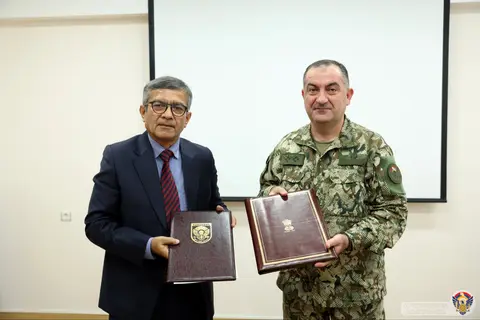
 DEFENCE INDUSTRYBrahMos export orders: Vietnam deal worth about $100 million, Indonesia $200 million as Akash reaches Tajikistan, Turkmenistan
 DEFENCE INDUSTRYMahindra Embraer Nagpur facility to assemble C-390 if IAF picks the aircraft
 DEFENCE INDUSTRYSMPP Drone Manufacturing Push: Firm Shifts From Ammunition to Unmanned Warfare, Targets Integrated Defence Capabilities
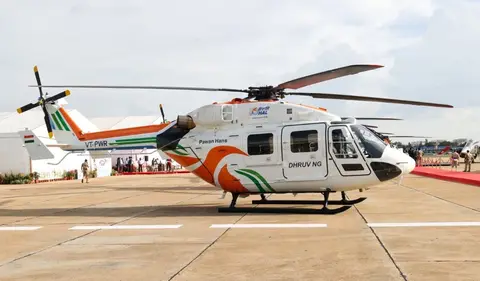 INDIA DEFENCEDhruv NG Helicopter Explained: What HAL Has Actually Put Into Pawan Hans Service
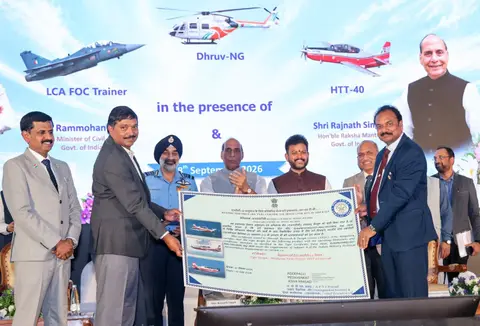 INDIA DEFENCELCA FOC Trainers Delivered With HTT 40 and Dhruv NG as Rajnath Singh Asks Engineers for Technologies That Do Not Exist
IAF Nepal flood relief operations began on Wednesday as the Indian Air Force flew a C-130J Super Hercules carrying 10 tonnes of relief material and medical supplies into Nepal, responding to devastating flash floods across the country.
The aircraft was despatched swiftly. The Air Force called it a neighbourly response built on years of first-responder ties between the two countries.
IAF Nepal flood relief operation gets underway
Ground crews loaded the C-130J with essential supplies before it departed for Nepal, where flash floods have displaced residents and strained local relief capacity. Defence sources said the flight formed the opening phase of what is expected to be a sustained air effort.
https://x.com/IAF_MCC/status/2092646323657007147?ref_src=twsrc%5Etfw%7Ctwcamp%5Etweetembed%7Ctwterm%5E2092646323657007147%7Ctwgr%5Eb36bd31b469dbaabb5cdac7ffbf5891b2536274e%7Ctwcon%5Es1_c10&ref_url=https%3A%2F%2Fpublish.x.com%2F%3Furl%3Dhttps%3A%2F%2Ftwitter.com%2FIAF_MCC%2Fstatus%2F2092646323657007147
The Air Force has flown similar sorties before, most recently for the Assam and Nagaland flood relief effort earlier this year, and the Nepal mission follows a comparable pattern of rapid tasking once a need is identified.
What the C-130J carried
The consignment comprised essential relief materials and medical supplies, according to the Air Force. No further breakdown of the cargo was given.
More aircraft to follow
Additional air effort by C-17 Globemaster and C-130 aircraft will transport further relief supplies to Nepal, the Air Force said, indicating the initial C-130J sortie is the first of several planned flights rather than a one-off gesture.
Helicopters have also been earmarked, specifically for rescue and evacuation operations rather than cargo runs. That division of tasking mirrors the approach the Air Force takes domestically, where fixed-wing aircraft move bulk relief material while helicopters handle the harder job of reaching stranded people directly.
Helicopters kept in reserve for rescue work
Rotary-wing assets are typically held back for the phase of a disaster response that needs precision rather than volume, winching people out of cut-off villages or landing on strips too short for transport aircraft. The Air Force gave no timeline for when the helicopters would begin flying into Nepal, only that they have been set aside for the task.
Indian forces have used the same split at home, in the Army's Operation Jal Rahat in Assam and the Indian Coast Guard's rescue effort in Daman and South Gujarat. Nepal gets the same template, across a border this time.
A neighbourhood-first pattern
India has flown emergency relief into Nepal on previous occasions, treating rapid humanitarian assistance to its immediate neighbours as a standing element of its regional posture, one the Ministry of External Affairs and the Ministry of Defence both fall under. Wednesday's despatch fits the pattern.
The Air Force did not name the affected districts or give casualty figures, and none were available from official Indian sources at the time of filing.

COMMENTS
JOIN THE DISCUSSION