

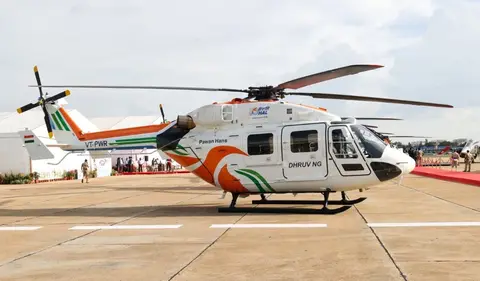
 INDIA DEFENCEDhruv NG Helicopter Explained: What HAL Has Actually Put Into Pawan Hans Service
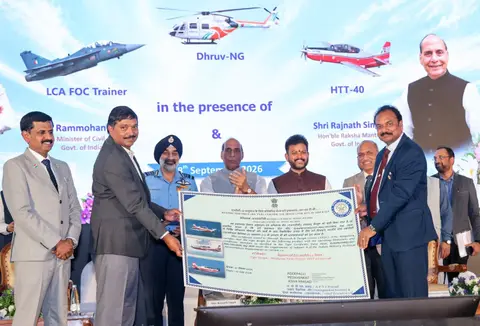 INDIA DEFENCELCA FOC Trainers Delivered With HTT 40 and Dhruv NG as Rajnath Singh Asks Engineers for Technologies That Do Not Exist
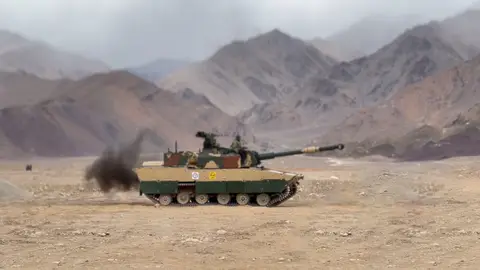 DEFENCE INDUSTRYTata Zorawar light tank clears Army's L1 hurdle for Rs 20,000 crore contract
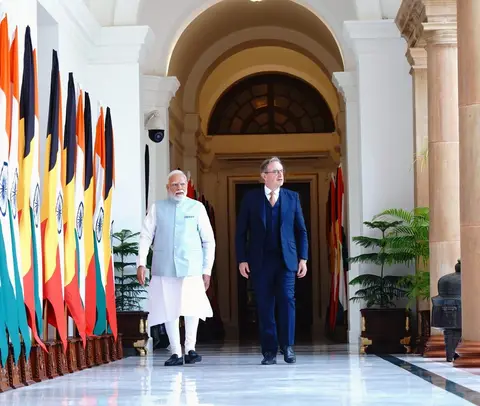 DEFENCE INDUSTRYIndia Belgium Defence Deals Sealed As PM De Wever Visits Delhi
 DEFENCE INDUSTRYAero India 2027 Dates Confirmed for February 8 to 12 in Bengaluru
Army ITBP joint exercise concludes in Arunachal Pradesh as both forces sharpen high-altitude coordination
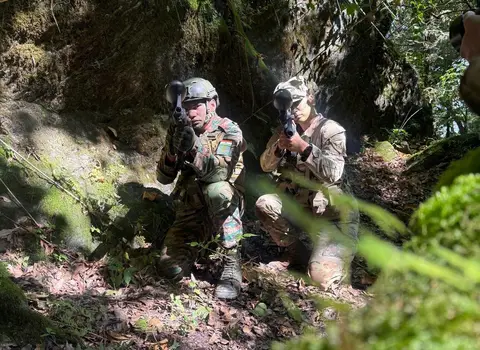
The Army ITBP joint exercise wrapped up in Arunachal Pradesh on June 24, closing a training programme and coordinating conference that brought soldiers and border police together to tighten how the two forces operate side by side along one of India's most demanding frontiers.
The drill was run by the Spearhead Division of the Army's Spear Corps, working with Indo-Tibetan Border Police personnel posted across the state's high mountains.
Its stated aim was interoperability. On the ground that means two forces with separate mandates, the Indian Army holding operational depth and the ITBP manning the forward border posts, learning to read each other's drills fast enough to act as a single unit when the ground and the weather leave no room for hesitation.
Inside the Army ITBP joint exercise
The training was built around mission specific tactical work.
Personnel from both forces ran mountain warfare drills, route familiarisation, communication procedures, casualty evacuation and joint response mechanisms. They rehearsed operational contingencies in harsh terrain, the kind of repetitive practice that turns two separate chains of command into one coordinated response when a real situation breaks at altitude.
Combat preparedness ran through all of it. A soldier and a border policeman who have trained together move faster than two who have not.
A frontier that sets the terms
Arunachal Pradesh runs along the Line of Actual Control with China, and almost every operational decision in the state is shaped by ground that climbs fast and weather that turns without warning.
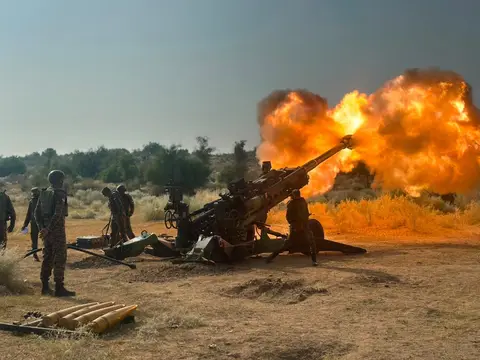
The ITBP holds the forward border outposts here. The Army sits behind and around them with the firepower and the depth. Neither can do the other's job, which is exactly why the two keep returning to joint training as a habit rather than a single event.
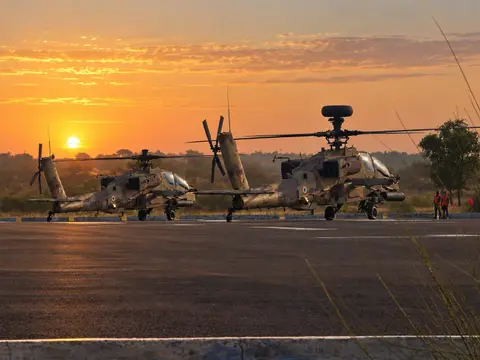
Casualty evacuation tells the story best. Getting an injured man off a ridge here is a problem of helicopters, weather windows and timing, and it fails the moment the two forces stop speaking the same procedural language.
Spear Corps in the eastern theatre
The Spear Corps sits under the Army's Eastern Command, the formation responsible for the eastern stretch of the China frontier. Its Spearhead Division led the Army's side of the exercise.
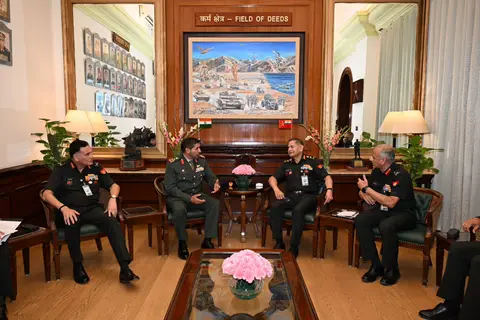
That places the training inside the Army's wider thinking about how it holds the east, a subject that surfaced again this week when the Standing Committee on Defence reviewed the Army's role with the Chief of Defence Staff and the incoming Army chief in attendance.
The coordinating conference
Alongside the field drills, the two forces held a Joint Coordinating Conference.
That is where commanders sit down to align planning, sort out who owns which task, and agree the information sharing arrangements that the drills outside then rehearse. The conference took up operational coordination and measures to lift joint preparedness across the region, the kind of staff work that decides whether a field response holds together or comes apart. Both sides also used the meeting to trade best practices and tighten cooperation on the emerging security problems the sector throws up.
Why jointness keeps coming back
India runs its frontier with a layered structure. Central armed police forces hold the line in normal times, the Army takes charge when a situation escalates, and the handover between the two has to be clean or it turns dangerous.
Border management reviews have become a fixture of the security calendar, from the eastern mountains to the western marshes, where Union Home Minister Amit Shah recently ordered a zero tolerance line on infiltration along the Gujarat frontier. The Arunachal exercise is the field level version of the same instinct, two forces drilling the seams between their responsibilities before those seams are tested.
It also lands during a transition in the Army's senior ranks, with the force readying for a change at the top after General Upendra Dwivedi was felicitated at a retiring officers' seminar ahead of the handover.
The official word
Defence PRO Lt Col Mahendra Rawat confirmed the exercise had concluded and set out what it was meant to achieve.
He said the training strengthened synergy at the tactical level between two forces operating in high-altitude and difficult country. The exercise, in his words, showed the "seamless integration between the Indian Army and the ITBP", building mutual understanding and the ability to operate together in demanding conditions.
The ITBP, raised in 1962 and now a frontline border guarding force under the Ministry of Home Affairs, runs its busiest deployments along exactly this stretch of the high-altitude China frontier. Lt Col Rawat said both forces had rehearsed the contingencies that come with that ground, from route familiarisation to casualty evacuation, until the responses ran together.

COMMENTS
JOIN THE DISCUSSION