
 DEFENCE INDUSTRYTata Zorawar light tank clears Army's L1 hurdle for Rs 20,000 crore contract
 DEFENCE INDUSTRYIndia Belgium Defence Deals Sealed As PM De Wever Visits Delhi
 DEFENCE INDUSTRYAero India 2027 Dates Confirmed for February 8 to 12 in Bengaluru
 DEFENCE INDUSTRYJavelin missile co-production advances as Tata Advanced Systems signs Javelin Joint Venture pact
 DEFENCE INDUSTRYTata Lockheed Martin MTA push gets a lift from US envoy's Hyderabad visit
India's armed forces operate one of the world's fastest-growing unmanned aerial vehicle (UAV) fleets, spanning imported Israeli reconnaissance drones, a new generation of American armed platforms, and a maturing indigenous programme led by the Defence Research and Development Organisation (DRDO). Drones now perform intelligence, surveillance and reconnaissance (ISR), precision strike and loitering-munition roles across the Army, Navy and Air Force, and their use has expanded sharply since the 1999 Kargil conflict first demonstrated their battlefield value to India.
Key facts
- Fleet size: Indian armed forces reportedly operate over 140 UAV platforms across roughly nine categories, up from fewer than a dozen types in 2020
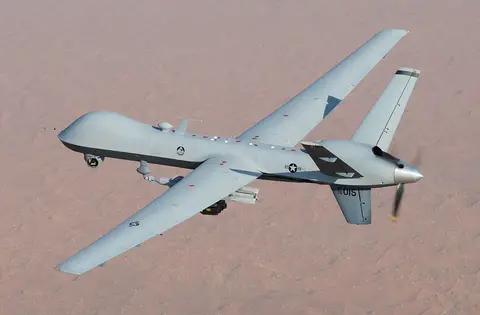
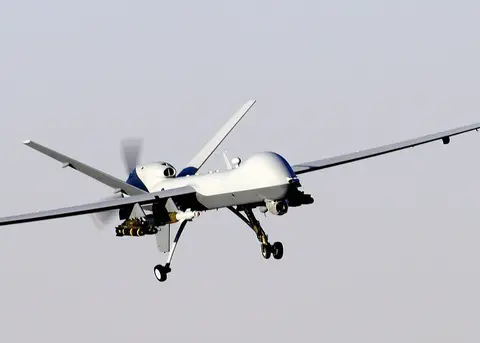
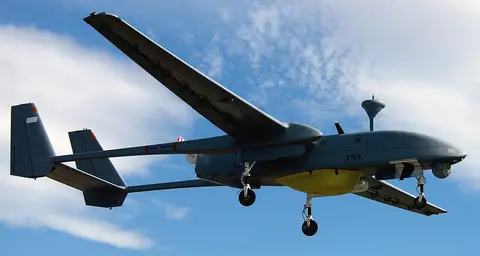
- Principal imports: IAI Heron Mk-I/Mk-II and Searcher Mk-II (Israel), in service since the Kargil war; General Atomics MQ-9B SkyGuardian/SeaGuardian (USA), contracted in 2024
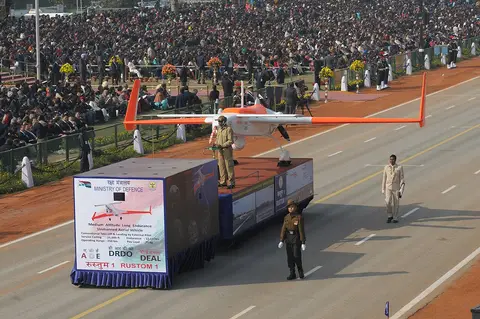
- Indigenous ISR programmes: DRDO Nishant, the Rustom family and TAPAS-BH-201
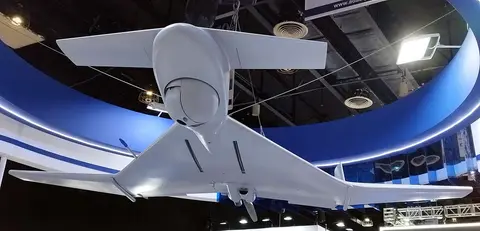
- Loitering munitions: Israeli-origin Harop and SkyStriker, and the indigenous Nagastra-1
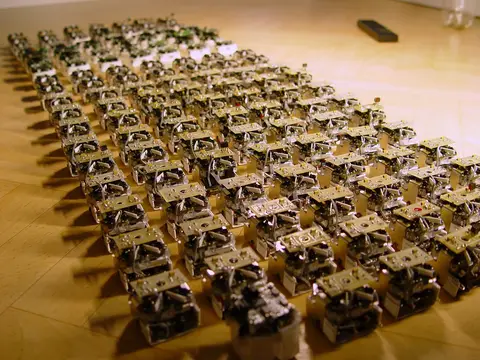
- Swarm systems: Army-NewSpace Research swarm demonstrated with 75 drones in 2021; HAL's ALFA-S swarm munition under development
Imports and early adoption
India's first operational use of drones came during the 1999 Kargil war, when Israel Aerospace Industries (IAI) supplied Heron and Searcher reconnaissance UAVs for high-altitude surveillance. These platforms, and their successive upgrades, remain the backbone of Army and Air Force tactical and medium-altitude ISR, typically offering 18 to 24 hours of endurance with electro-optical and infrared sensors. In October 2024, India signed a tri-service deal for 31 General Atomics MQ-9B high-altitude long-endurance drones from the United States, marking the country's first large armed drone acquisition from a Western supplier.
Indigenous development
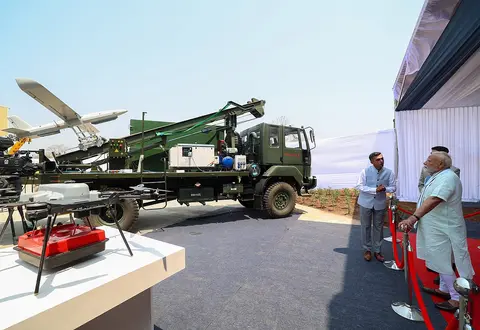
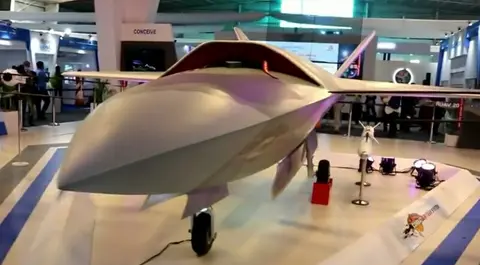
DRDO's push for self-reliant UAVs began with the Nishant in the 1990s and has continued through the Rustom family of tactical and medium-altitude long-endurance (MALE) UAVs. The most advanced indigenous ISR platform, TAPAS-BH-201, has moved from a DRDO mission-mode project to industry-led production with Hindustan Aeronautics Limited and Bharat Electronics Limited. Alongside larger platforms, Indian start-ups and public-sector firms are building loitering munitions such as Nagastra-1 and a wide range of tactical mini- and micro-UAVs under the government's Production-Linked Incentive scheme and indigenisation policy.
Drones in recent operations
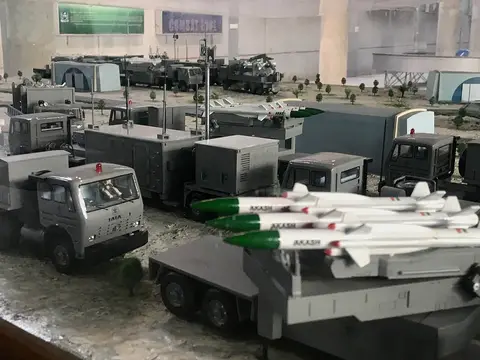
Drones featured prominently in Operation Sindoor in May 2025, India's response to the Pahalgam terror attack, during which loitering munitions including Israeli-origin SkyStriker units struck targets across the border while indigenous Akashteer air-defence systems helped intercept incoming hostile drones. The operation underscored both India's growing reliance on autonomous strike systems and the parallel need for layered counter-drone defences.
With procurement of the MQ-9B fleet under way, indigenous MALE and swarm programmes advancing, and counter-drone systems being fielded alongside strike platforms, unmanned systems are set to remain a central and rapidly evolving component of Indian military modernisation through the rest of the decade.