
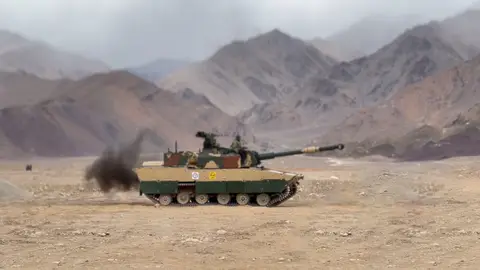
 DEFENCE INDUSTRYTata Zorawar light tank clears Army's L1 hurdle for Rs 20,000 crore contract
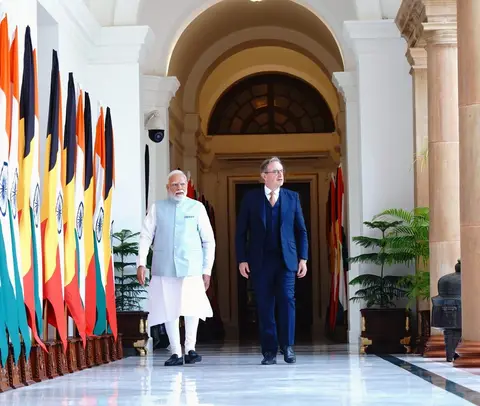 DEFENCE INDUSTRYIndia Belgium Defence Deals Sealed As PM De Wever Visits Delhi
 DEFENCE INDUSTRYAero India 2027 Dates Confirmed for February 8 to 12 in Bengaluru
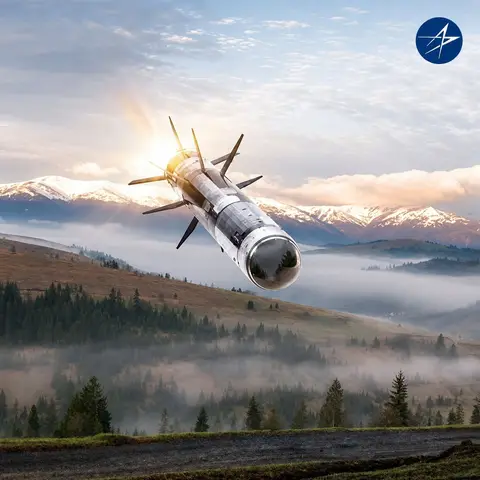 DEFENCE INDUSTRYJavelin missile co-production advances as Tata Advanced Systems signs Javelin Joint Venture pact
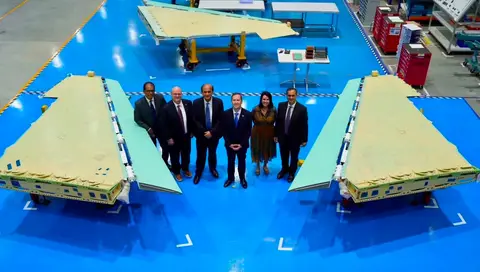 DEFENCE INDUSTRYTata Lockheed Martin MTA push gets a lift from US envoy's Hyderabad visit
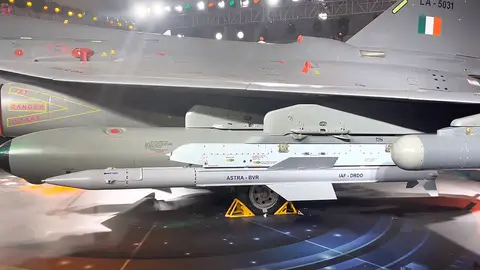
Missiles form the backbone of India's strategic and tactical deterrence, spanning long-range nuclear-capable ballistic systems, supersonic cruise missiles, surface-to-air defence networks and short-range tactical weapons. Most of these systems trace their institutional origins to the Defence Research and Development Organisation (DRDO) and its Integrated Guided Missile Development Programme (IGMDP), launched in 1983.
Key facts
- Primary developer: DRDO, through laboratories including the Defence Research and Development Laboratory (DRDL) and Advanced Systems Laboratory (ASL)
- Cruise missiles: BrahMos, an India-Russia joint-venture supersonic missile with a range of up to 800 km
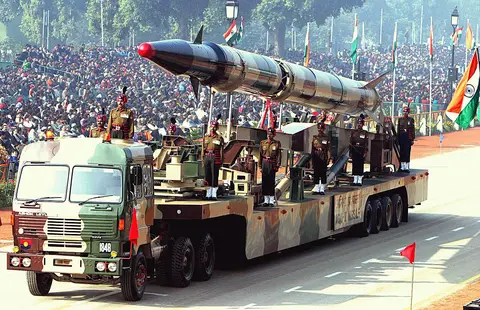
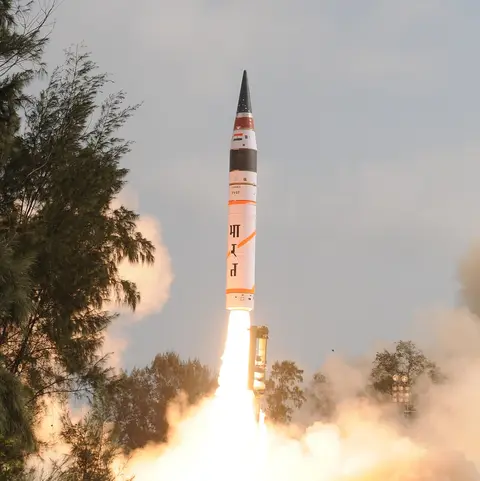
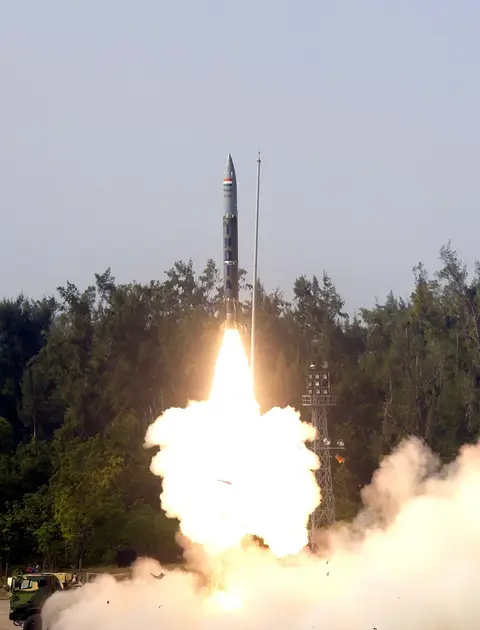
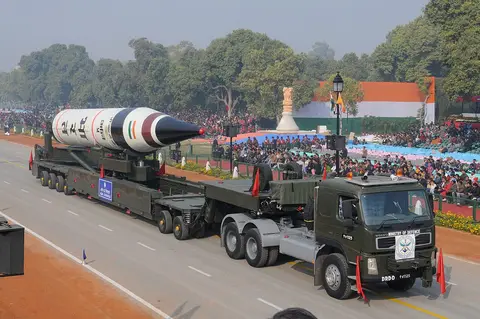
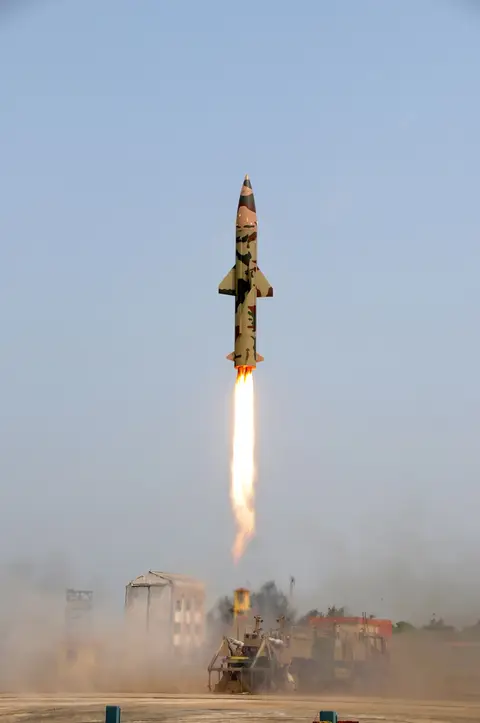
- Ballistic missiles: the Prithvi and Agni series, ranging from short-range tactical systems to intercontinental-class weapons
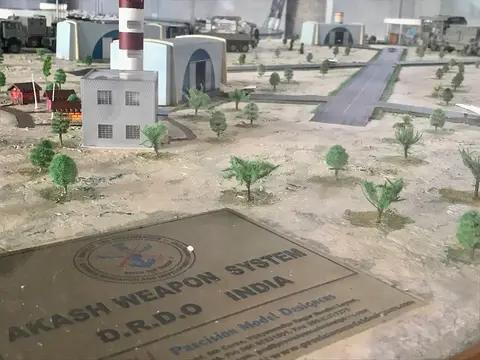
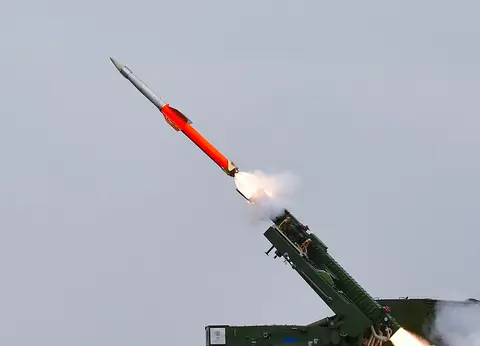
- Surface-to-air missiles: Akash, Akash-NG and the Quick Reaction Surface to Air Missile (QRSAM)
- Tactical/battlefield missiles: Pralay and Prahaar, short-range quasi-ballistic systems
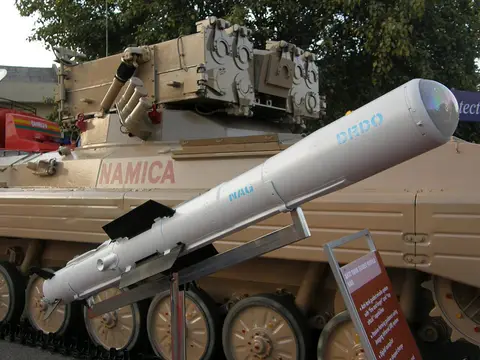
- Anti-tank missiles: Nag and the man-portable NAG Missile Carrier variants
The IGMDP legacy
The IGMDP was conceived under the leadership of scientist and later President A. P. J. Abdul Kalam to end India's dependence on imported missile technology. It set out to develop five systems: Prithvi (short-range ballistic), Agni (originally a re-entry technology demonstrator), Akash (surface-to-air), Trishul (short-range surface-to-air, since discontinued) and Nag (anti-tank). The programme was formally declared complete in 2008, though successor systems such as Agni-V, Akash-NG and Pralay continue to be developed and inducted.
Strategic and tactical roles
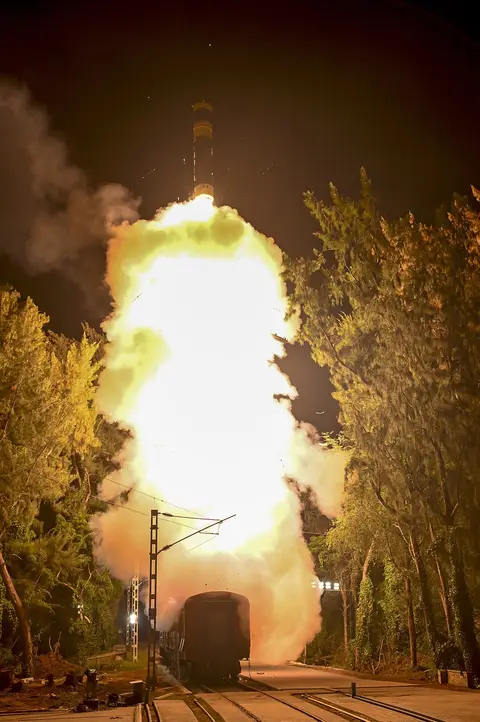
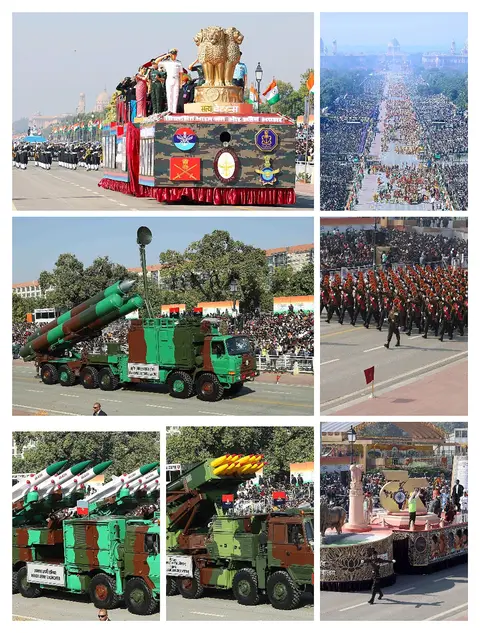
India's missile forces serve two broad purposes. Strategic systems, principally the Agni series and submarine-launched K-series missiles, underpin the country's nuclear doctrine of credible minimum deterrence and no-first-use. Tactical and theatre systems, including BrahMos, Pralay and Akash, provide conventional strike and air-defence capability for the Army, Navy and Air Force, and increasingly for an emerging integrated rocket force structure.
Indigenisation and exports
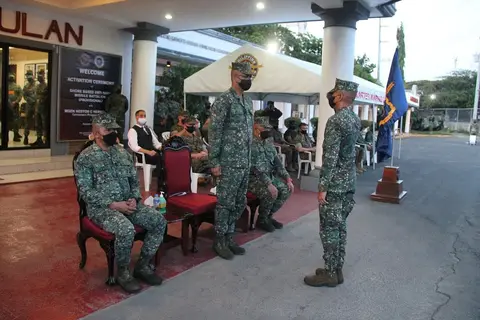
Where early Indian missile programmes relied heavily on Soviet and other foreign designs, current-generation systems are substantially indigenous in guidance, propulsion and seeker technology. BrahMos has become India's flagship missile export, with the Philippines as its first international customer and further interest from Vietnam and Indonesia, while Akash has been exported to Armenia as India's second missile export.
Naval and emerging systems
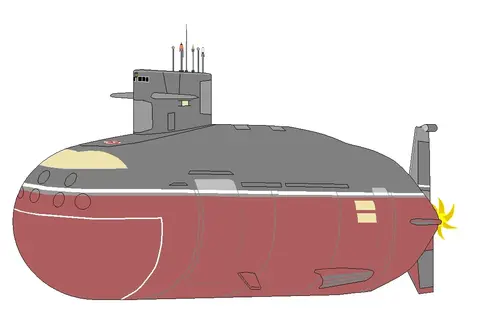
Beyond land- and air-launched systems, India also fields a growing family of naval and submarine-launched missiles, including the K-15 and K-4 submarine-launched ballistic missiles that arm the Arihant-class nuclear submarines and complete the sea leg of the country's nuclear triad. DRDO is also pursuing next-generation and hypersonic programmes, including the long-range BrahMos-II hypersonic cruise missile concept and the Shaurya canisterised tactical ballistic missile, reflecting a broader push to keep pace with regional missile and missile-defence developments.
Collectively, these systems illustrate the trajectory of India's missile programme: from a 1980s effort to close a strategic capability gap, to a diversified, increasingly indigenous arsenal that now also competes in export markets.