
 DEFENCE INDUSTRYTata Zorawar light tank clears Army's L1 hurdle for Rs 20,000 crore contract
 DEFENCE INDUSTRYIndia Belgium Defence Deals Sealed As PM De Wever Visits Delhi
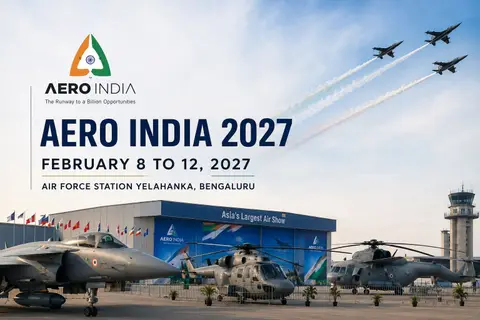 DEFENCE INDUSTRYAero India 2027 Dates Confirmed for February 8 to 12 in Bengaluru
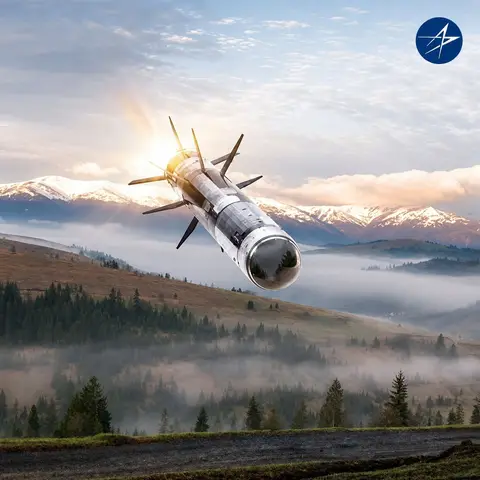 DEFENCE INDUSTRYJavelin missile co-production advances as Tata Advanced Systems signs Javelin Joint Venture pact
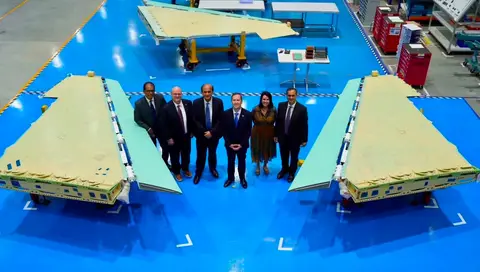 DEFENCE INDUSTRYTata Lockheed Martin MTA push gets a lift from US envoy's Hyderabad visit
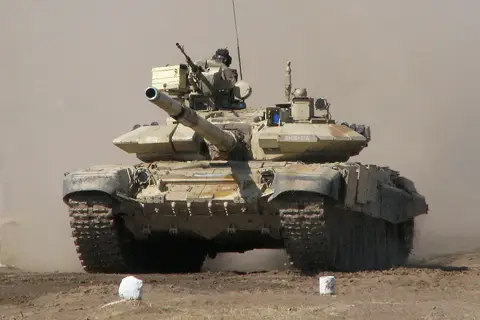
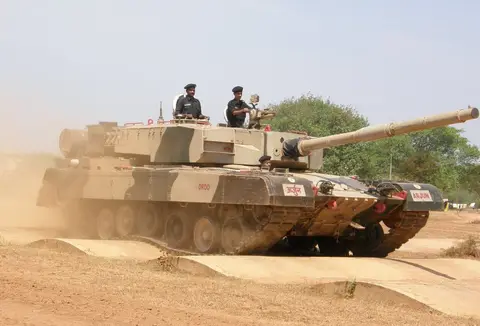
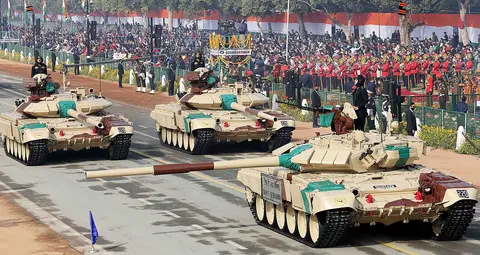
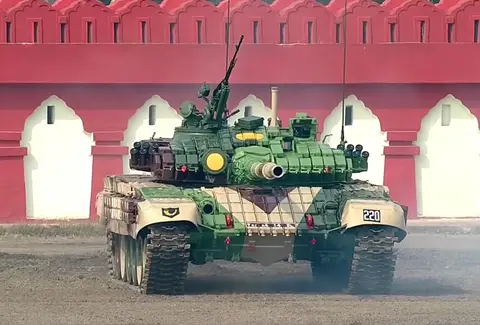
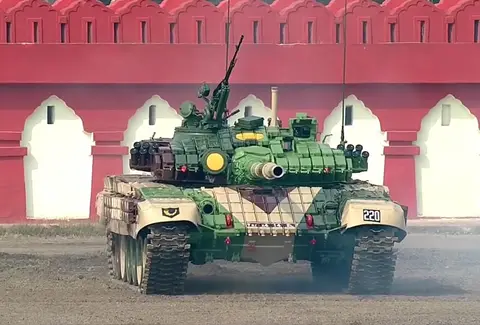
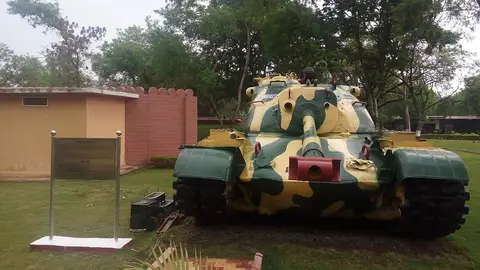
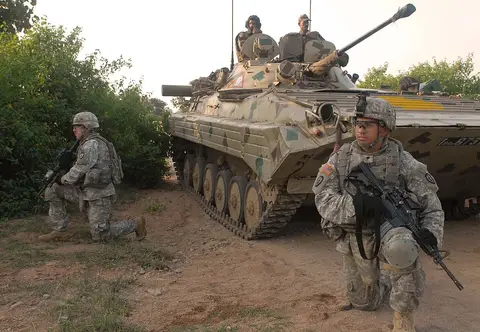
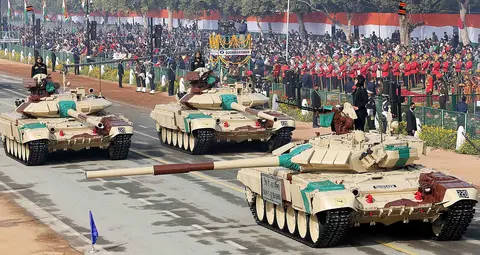
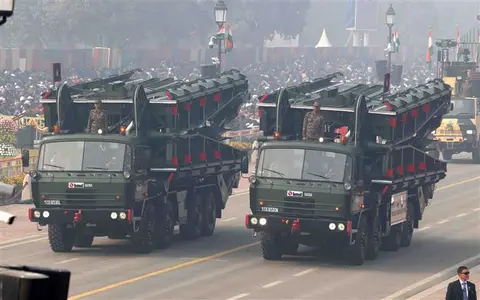
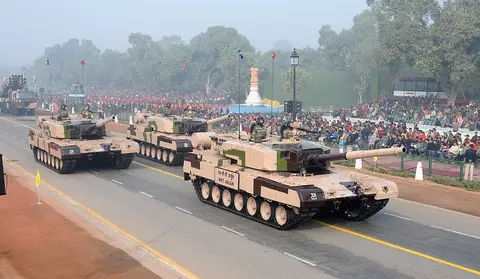
The Indian Army's armoured corps operates one of the largest tank fleets in the world, built around three main battle tank (MBT) families: the Russian-origin T-90 Bhishma, the older but numerous T-72 Ajeya, and the indigenously designed Arjun. Together these platforms equip dozens of armoured regiments tasked with holding ground along India's western and northern borders, and the fleet is now entering a long modernisation cycle aimed at replacing Cold War-era vehicles with next-generation designs.
Key facts
- Type: Third-generation (T-90, Arjun) and second-generation (T-72) main battle tanks
- Origin: T-90 and T-72 of Russian/Soviet design, licence-built in India; Arjun designed indigenously by DRDO
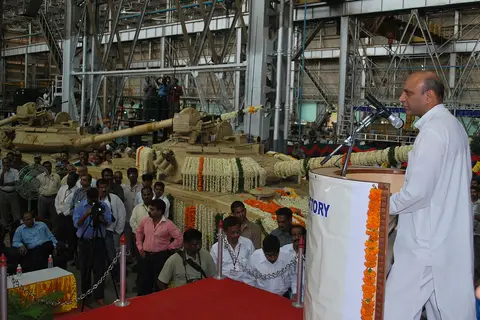
- Manufacturer: Heavy Vehicles Factory (HVF), Avadi, under Armoured Vehicles Nigam Limited (AVNL)
- Weight: approximately 41 tonnes (T-72) to nearly 69 tonnes (Arjun Mk-1A)
- Crew: 3 (T-90, T-72) or 4 (Arjun)
- Main gun: 125mm smoothbore gun (T-90, T-72) or 120mm rifled gun (Arjun)
- In-service numbers: an estimated 3,500-plus tanks across all three types
Fleet composition
The T-72 Ajeya remains the most numerous type, with roughly 2,400 tanks forming the backbone of many armoured regiments since the 1980s, though a large share are ageing and undergoing selective upgrades. The T-90 Bhishma has since become the Army's principal frontline tank, with well over a thousand in service and further batches, including the improved Mk-3 standard, being delivered by HVF Avadi. The Arjun, developed by DRDO's Combat Vehicles Research and Development Establishment, equips a smaller number of regiments in the Mk-1 and upgraded Mk-1A configurations, valued for its indigenous armour and firepower despite a limited production run.
Armoured regiments
Tanks are organised into armoured regiments, grouped under armoured brigades and divisions positioned mainly in the plains and desert sectors of Punjab, Rajasthan and Gujarat, with detachments also holding ground in the northern and eastern theatres. Regiments are typically single-type units, allowing standardised training, spares and maintenance, though transition periods see individual regiments re-equip from older to newer tanks in phases.
Modernisation and the FRCV
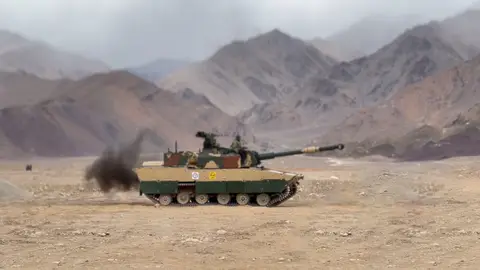
With the T-72 fleet now several decades old, the Army has launched the Future Ready Combat Vehicle (FRCV) programme to design a next-generation tank with modern composite and reactive armour, active protection systems and network-centric battlefield management. The FRCV is intended to eventually replace the T-72 in a phased induction expected to begin around 2030, while a portion of the existing T-72 fleet is being upgraded with new engines, thermal fire-control systems and additional protection to extend its service life in the interim.
Between indigenous development, licensed Russian production and an emerging next-generation programme, India's tank fleet reflects both the scale of its armoured forces and the long transition underway toward more self-reliant, modern armoured platforms.