
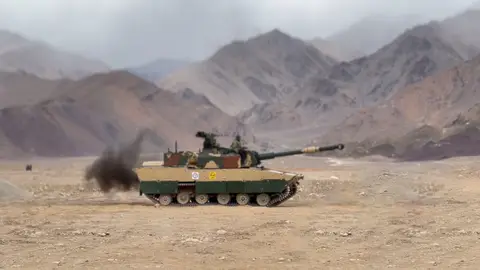
 DEFENCE INDUSTRYTata Zorawar light tank clears Army's L1 hurdle for Rs 20,000 crore contract
 DEFENCE INDUSTRYIndia Belgium Defence Deals Sealed As PM De Wever Visits Delhi
 DEFENCE INDUSTRYAero India 2027 Dates Confirmed for February 8 to 12 in Bengaluru
 DEFENCE INDUSTRYJavelin missile co-production advances as Tata Advanced Systems signs Javelin Joint Venture pact
 DEFENCE INDUSTRYTata Lockheed Martin MTA push gets a lift from US envoy's Hyderabad visit
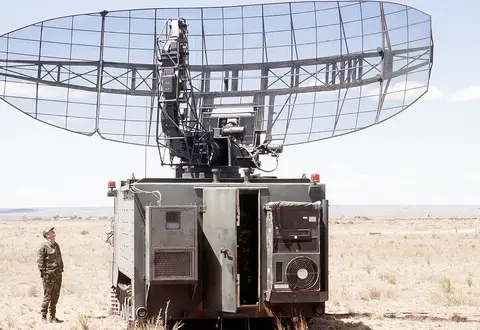
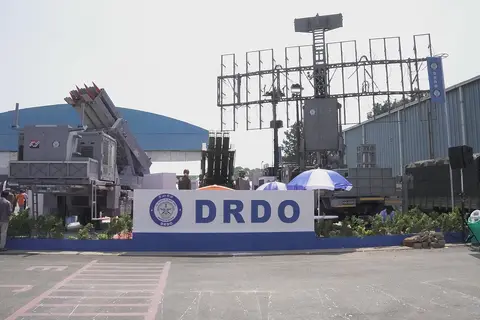
India's military radar ecosystem spans air-defence and battlefield surveillance sensors, weapon-locating systems and airborne or naval fire-control radars, most of them designed indigenously under the Defence Research and Development Organisation (DRDO) and manufactured in volume by Bharat Electronics Limited (BEL). Radar development has been central to India's Atmanirbhar Bharat (self-reliance) push in defence electronics, replacing a historical dependence on imported Soviet, French and Israeli systems with home-grown designs that now equip the Indian Air Force, Army and Navy.
Key facts
- Lead developer: DRDO's Electronics and Radar Development Establishment (LRDE), Bengaluru, founded in 1958
- Production partner: Bharat Electronics Limited (BEL), supported by private vendors such as Astra Microwave and Data Patterns
- Categories: ground-based air-surveillance and acquisition radars, weapon-locating radars, fire-control radars, and airborne or naval radars
- Frequency bands: chiefly S-band and X-band, with L-band systems used for very-long-range detection
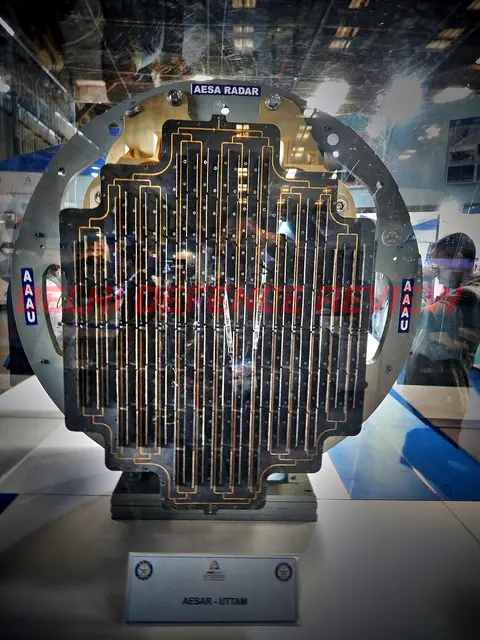
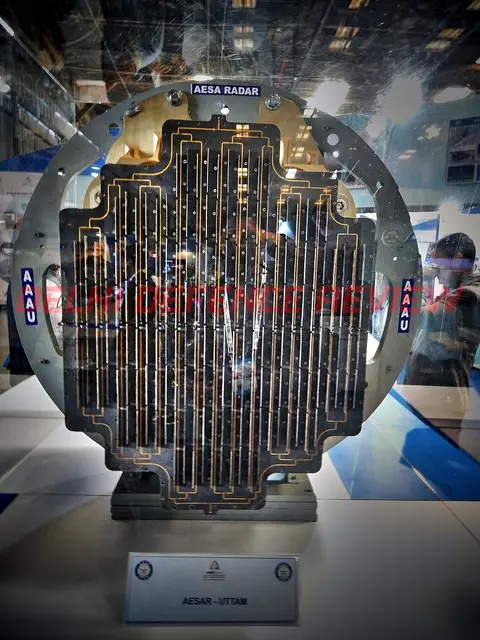
- Technology trend: shift from passive phased-array designs to Active Electronically Scanned Array (AESA) architecture, led by the Uttam radar programme
Development
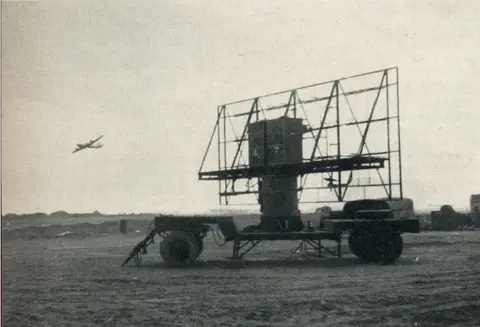
LRDE has been India's principal radar design house since the late 1950s, evolving from early two-dimensional surveillance sets to today's three-dimensional and four-dimensional phased-array radars. Its programmes feed directly into BEL's production lines, and successive systems such as the Indra series, Rohini, Rajendra, Arudhra and Uttam mark a steady progression from mechanically scanned antennas to fully solid-state, electronically steered arrays. Development is typically followed by extensive user trials with the Indian Air Force and Army Air Defence before a production order is placed.
Capabilities
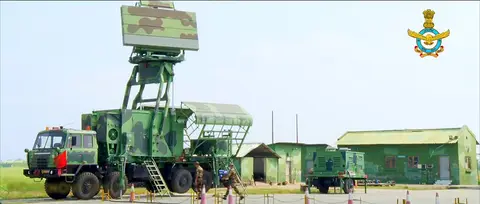
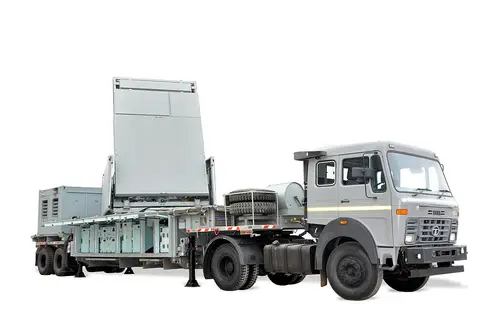
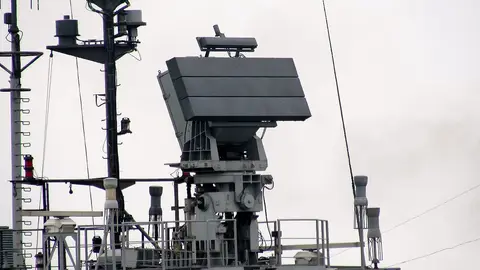
Ground-based acquisition radars such as Rohini and the higher-power Arudhra provide long-range, three- and four-dimensional tracking of aircraft, helicopters and missiles, feeding target data into the Integrated Air Command and Control System (IACCS) and to surface-to-air missile batteries such as Akash. Weapon-locating radars like Swathi track incoming artillery and mortar fire to pinpoint enemy gun positions, while fire-control radars such as Rajendra guide missiles onto designated targets. Airborne AESA radars, led by the Uttam programme, give fighter aircraft simultaneous search, track and multi-target engagement capability.
Deployment
Indigenous radars now form the backbone of India's layered air-defence network, working alongside the IACCS and related command networks that fuse data from multiple sensor types into a single recognised air picture. The Indian Air Force operates dozens of Rohini and Arudhra radars across its static and mobile air-defence units, while newer AESA sets are being fitted to the Tejas fighter fleet as it enters service in larger numbers.
Continued investment in gallium-nitride (GaN) semiconductor technology, networked sensor grids and higher-power AESA designs is expected to further reduce India's reliance on imported radar systems over the coming decade.