
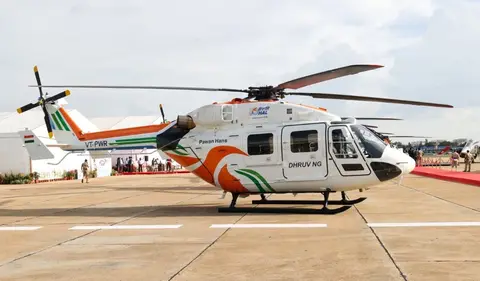
 INDIA DEFENCEDhruv NG Helicopter Explained: What HAL Has Actually Put Into Pawan Hans Service
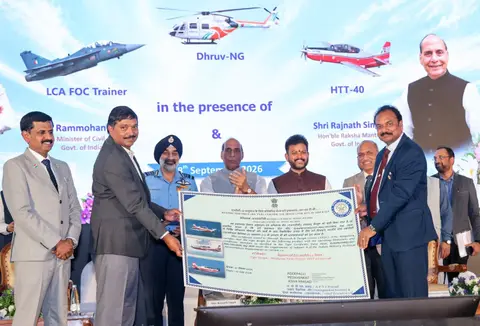 INDIA DEFENCELCA FOC Trainers Delivered With HTT 40 and Dhruv NG as Rajnath Singh Asks Engineers for Technologies That Do Not Exist
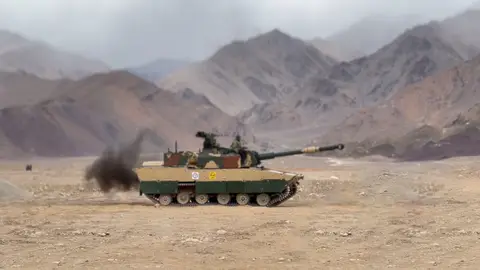 DEFENCE INDUSTRYTata Zorawar light tank clears Army's L1 hurdle for Rs 20,000 crore contract
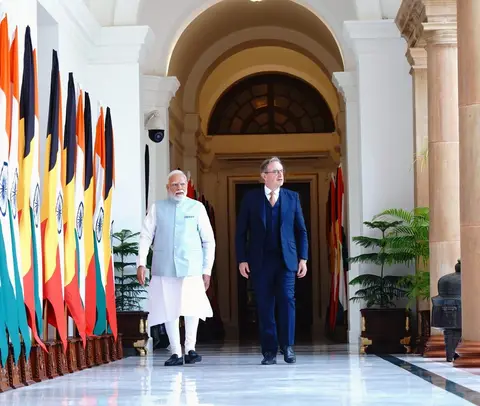 DEFENCE INDUSTRYIndia Belgium Defence Deals Sealed As PM De Wever Visits Delhi
 DEFENCE INDUSTRYAero India 2027 Dates Confirmed for February 8 to 12 in Bengaluru
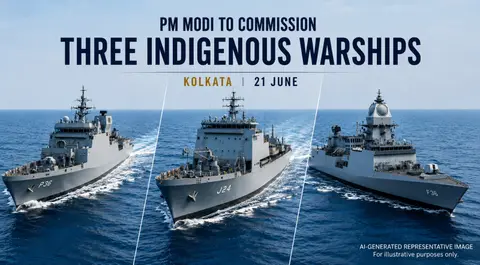
The Kamorta-class are indigenous stealth corvettes built under Project 28, purpose-designed for anti-submarine warfare (ASW). Constructed by Garden Reach Shipbuilders (GRSE) in Kolkata, they carry a very high level of indigenous content and were among the first Indian warships to make extensive use of domestically produced warship-grade steel. Compact, focused and quiet, they fill an important niche in the surface fleet that larger, more expensive ships cannot cover as efficiently.
Built for submarine hunting
Anti-submarine warfare is one of the most demanding disciplines at sea, requiring quiet ships, sensitive sensors and patient, coordinated tactics. Detecting a well-handled submarine in a noisy, thermally layered ocean is extraordinarily difficult, and success often depends on holding a fleeting contact long enough to prosecute it. The Kamorta-class was designed from the outset for this role, with a low acoustic signature, hull-mounted and towed sonar systems, anti-submarine rockets and torpedoes, and an embarked helicopter to extend detection and attack range beyond the horizon. Stealth shaping reduces the ships' radar and infrared signatures, helping them close on quarry without being detected first.
These corvettes are natural partners for the Navy's other undersea-warfare assets. They complement submarines such as the Kalvari-class and work alongside maritime patrol aircraft to build a layered picture of the underwater battlespace. In exercises they frequently pit their sensors against friendly submarines, honing the fleet's collective ability to find and hold a contact, skills that are perishable and must be constantly practised. This cooperative approach, in which ships, submarines and aircraft share information, is the essence of modern anti-submarine operations.
Role in the fleet
Corvettes are the smallest of the major surface combatants, trading the endurance and heavy armament of frigates and destroyers for lower cost and a focused capability set. Within the Indian Navy, the Kamorta-class provides dedicated ASW protection for task groups and convoys, freeing larger ships such as the Visakhapatnam-class destroyers to concentrate on air defence and long-range strike. In a carrier battle group, their submarine-hunting role is vital to keeping high-value units such as the carriers safe from undersea attack, one of the most serious threats such formations face.
The programme was significant for Indian shipbuilding beyond the ships themselves. The extensive use of indigenous steel, systems and equipment strengthened domestic supply chains and demonstrated GRSE's ability to deliver complex, sensor-intensive warships to a high standard. Replacing imported steel with a home-grown product was a milestone that reduced cost and strategic dependence at once. This experience feeds directly into later, larger projects and supports the self-reliance goals running through the Navy's warship programmes.
As threats evolve, the Kamorta-class continues to receive upgrades to sensors and weapons, and its design has informed follow-on classes intended to sustain and expand India's anti-submarine strength. In an ocean where potential adversaries are steadily expanding their submarine forces, dedicated ASW platforms like these are increasingly valuable, providing a specialised capability that cannot be improvised at short notice.
Quiet, capable and largely home-built, the Kamorta-class embodies both a specialised warfighting capability and the maturing of Indian naval design. By ensuring the fleet can contest the depths of the Indian Ocean Region as confidently as it commands the surface and the air above it, these corvettes make an outsized contribution to the overall balance and credibility of India's maritime forces. Relatively affordable to build and operate, they allow the Navy to field meaningful anti-submarine strength in numbers, rather than concentrating scarce resources in a handful of large ships. As the design lineage continues into follow-on classes with improved sensors and systems, the anti-submarine capability first proven in the Kamorta-class is set to remain a durable feature of the fleet, reflecting a clear-eyed recognition that control of the undersea domain is as vital to India's security as command of the surface.