
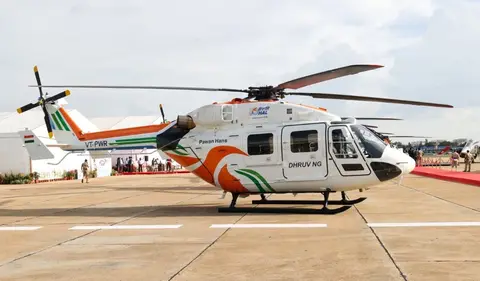
 INDIA DEFENCEDhruv NG Helicopter Explained: What HAL Has Actually Put Into Pawan Hans Service
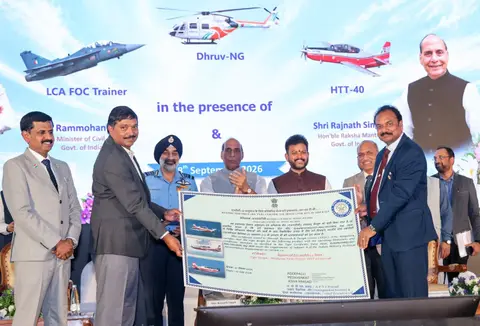 INDIA DEFENCELCA FOC Trainers Delivered With HTT 40 and Dhruv NG as Rajnath Singh Asks Engineers for Technologies That Do Not Exist
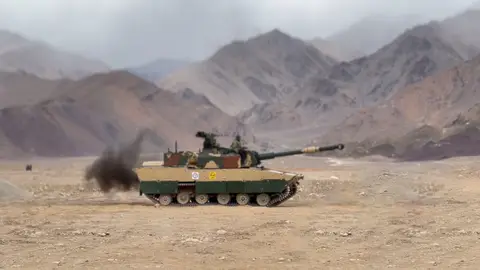 DEFENCE INDUSTRYTata Zorawar light tank clears Army's L1 hurdle for Rs 20,000 crore contract
 DEFENCE INDUSTRYIndia Belgium Defence Deals Sealed As PM De Wever Visits Delhi
 DEFENCE INDUSTRYAero India 2027 Dates Confirmed for February 8 to 12 in Bengaluru
Naval aviation is the air arm of the Indian Navy, comprising the fixed-wing aircraft and helicopters that fly from carriers, shore bases and warship flight decks. Air power multiplies the reach and effectiveness of the fleet: it extends the horizon over which the Navy can see, strike and defend, turning a group of ships into an integrated force capable of controlling large areas of ocean and airspace. Without organic air power, even a strong surface fleet is vulnerable and short-sighted; with it, the fleet can shape events far beyond the range of its guns and missiles.
The carrier air wing
The heart of carrier-borne aviation is the air wing embarked aboard ships such as INS Vikramaditya and INS Vikrant. Both are STOBAR carriers, launching fighters with a ski-jump and recovering them with arrestor wires, a configuration that shapes the aircraft they can operate and the tempo of flight operations. The principal carrier fighter is the MiG-29K, a multi-role aircraft able to conduct air defence, anti-ship strike and land attack from the deck, giving the carrier a flexible offensive and defensive punch.
India is also developing indigenous carrier fighters to strengthen and eventually broaden the air wing. A naval variant of the Tejas has served as a technology demonstrator for deck operations, proving that Indian designs can master the demanding business of catapult-free launch and arrested recovery. The future TEDBF, the Twin-Engine Deck-Based Fighter, is planned as a purpose-built carrier aircraft to eventually equip the fleet. These programmes remain in development and should be regarded as planned or under design, but they signal a clear intent to field home-grown carrier air power over time and reduce reliance on imported fighters.
Beyond the carrier
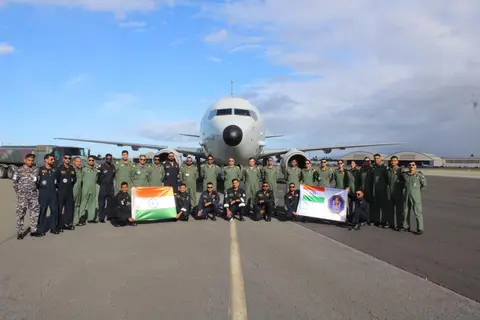
Naval aviation extends well past the flight deck. Long-range maritime patrol aircraft such as the P-8I Poseidon conduct surveillance, anti-submarine warfare and reconnaissance across vast distances, hunting submarines and tracking surface traffic far from the fleet. Operating from shore bases, they can patrol areas that would take ships days to reach, and their sophisticated sensors and weapons make them a key part of the undersea-warfare effort. They work in concert with submarine-hunting ships such as the Kamorta-class corvettes, sharing contacts and cueing one another in a cooperative search.
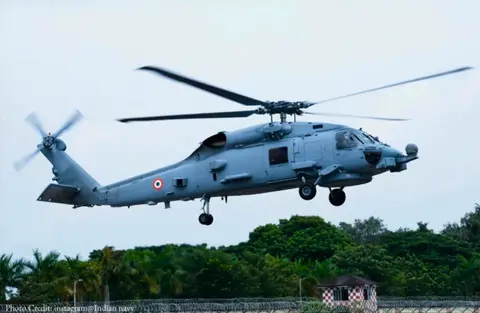
Helicopters are the most numerous and versatile element of naval aviation. Operating from carriers, destroyers, frigates and corvettes, they perform anti-submarine warfare, anti-surface strike, search-and-rescue, airborne early warning and utility tasks. A helicopter aboard a warship dramatically extends its sensor reach and gives it a means to prosecute contacts beyond the horizon, which is why nearly every major combatant is designed to embark one. In humanitarian operations, the same helicopters deliver aid and evacuate casualties, underlining the breadth of naval aviation's contribution.
Together, these aircraft form a layered system that gives the fleet eyes, ears and a long reach. Carrier fighters win control of the air and strike at range; patrol aircraft watch the wider ocean and hunt submarines; helicopters knit the surface force together and handle countless day-to-day tasks. This integration is what allows carriers and their escorts to operate as coherent battle groups rather than as isolated ships, and it underpins the ambitions expressed across the Navy's warship programmes.
As new aircraft and indigenous designs progressively enter service, Indian naval aviation is set to grow more capable and more self-reliant. Whether flying from a carrier's deck, a distant airfield or a frigate's hangar, its aircraft will remain an indispensable enabler of maritime power, extending the Navy's influence across the length and breadth of the Indian Ocean Region. Sustaining this capability requires continual investment in pilots, maintainers, airfields and the demanding infrastructure of carrier operations, an investment the Navy has consistently prioritised. As indigenous fighters, helicopters and unmanned systems progressively join the force, naval aviation is poised to become both more potent and more self-sufficient, ensuring that Indian sea power is matched by the air power needed to make it effective.