
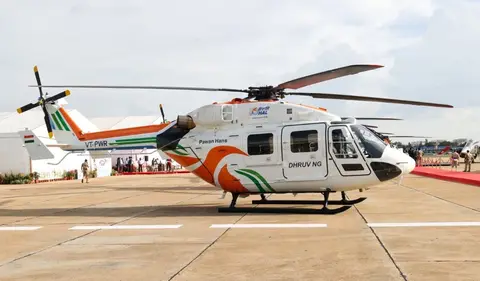
 INDIA DEFENCEDhruv NG Helicopter Explained: What HAL Has Actually Put Into Pawan Hans Service
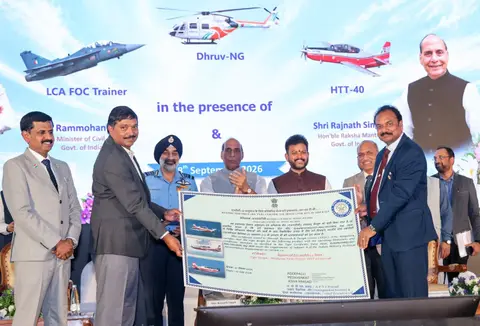 INDIA DEFENCELCA FOC Trainers Delivered With HTT 40 and Dhruv NG as Rajnath Singh Asks Engineers for Technologies That Do Not Exist
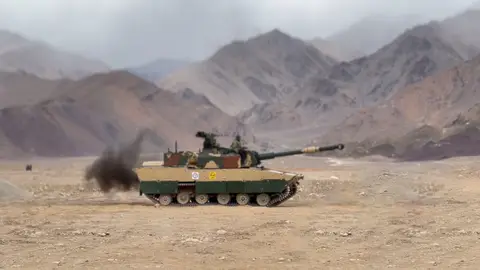 DEFENCE INDUSTRYTata Zorawar light tank clears Army's L1 hurdle for Rs 20,000 crore contract
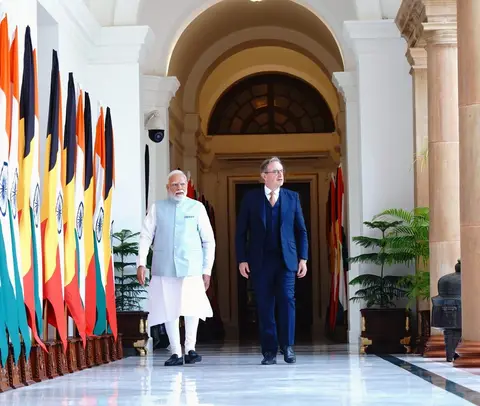 DEFENCE INDUSTRYIndia Belgium Defence Deals Sealed As PM De Wever Visits Delhi
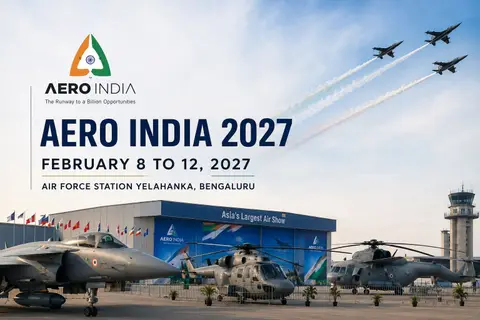 DEFENCE INDUSTRYAero India 2027 Dates Confirmed for February 8 to 12 in Bengaluru
Alongside its regular, full-time services, India maintains institutions that connect the wider civilian population to its armed forces. Two of the most important are the National Cadet Corps, which provides military-style training to young people, and the Territorial Army, which is a part-time volunteer force that can support the Indian Army when required. Though very different in purpose, both embody the idea of the citizen contributing to national defence and both help to broaden the base of society that has some familiarity with military life.
The National Cadet Corps
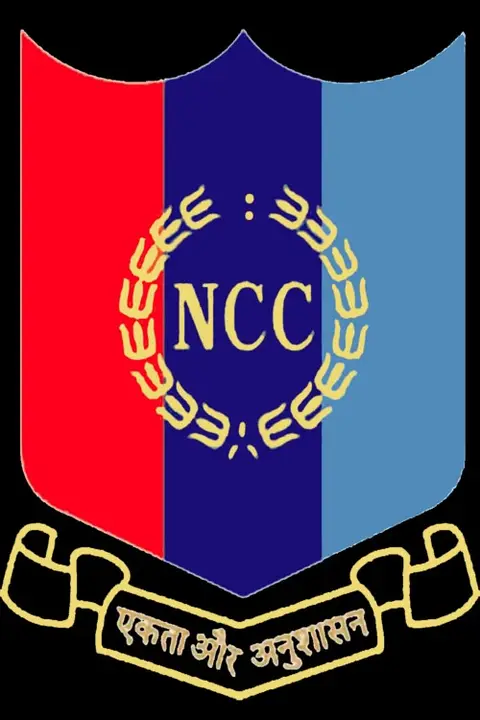
The National Cadet Corps, universally known by its initials, is a voluntary youth organisation open to school and college students across the country. Its aim is not to prepare cadets for immediate military service but to develop character, discipline, leadership and a spirit of service, while giving young people an introduction to military life. Cadets can enrol in wings associated with each of the three services, receiving training with an army, naval or air orientation, and the organisation runs a certificate system that recognises different levels of achievement.
- Instils discipline, leadership and civic responsibility in young people.
- Offers army, naval and air wings reflecting the three services.
- Involves cadets in camps, drill, adventure activities and community service.
Participation in the National Cadet Corps is entirely voluntary and carries no obligation to join the armed forces, although the experience may encourage some cadets to consider a military career. The organisation is jointly administered under the defence ministry and works with educational institutions, and its cadets are a familiar presence at national events, parades and in community and disaster-relief activities, where they often assist civil authorities.
The Territorial Army
The Territorial Army is a different kind of institution. It is a part-time volunteer force whose members are ordinarily employed in civilian occupations but who undergo military training and can be called out to serve alongside the Regular Army. It provides a means for citizens to contribute directly to the defence of the country while continuing their normal lives and careers, and it also helps to relieve the Regular Army of certain static and support duties, freeing regular units for their primary tasks.
Members of the Territorial Army train periodically and can be embodied for service when needed, for example to support operations or to assist in tasks such as maintaining essential services and helping during natural disasters. The force includes units affiliated to infantry regiments as well as departmental and ecological units engaged in specialised work. In this way the Territorial Army acts as a second line of support to the Regular Army rather than as a separate fighting service, and service in it is regarded as a form of honourable national contribution.
Both institutions sit within the wider ecosystem of India's armed forces. They complement the full-time services, the Indian Navy and the Indian Air Force, by broadening the base of citizens with some military training and by providing a reserve of manpower and goodwill on which the country can draw. They are distinct from recent recruitment reforms in the Regular services, such as the Agnipath scheme introduced in 2022, which changed how soldiers are enlisted into the full-time forces. The National Cadet Corps and the Territorial Army instead represent long-standing channels through which the ideals of citizenship and national service are cultivated and, in the case of the Territorial Army, put to practical use in support of the Regular Army. Between them they touch a large number of citizens across successive generations, spreading familiarity with, and goodwill towards, the armed forces well beyond those who serve full time. In an era of rapid change in how militaries recruit and organise, these institutions remain a stable expression of the enduring link between the citizen and the defence of the nation.