
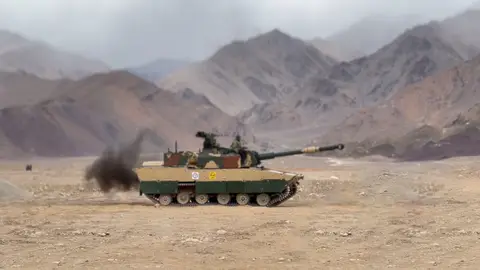
 DEFENCE INDUSTRYTata Zorawar light tank clears Army's L1 hurdle for Rs 20,000 crore contract
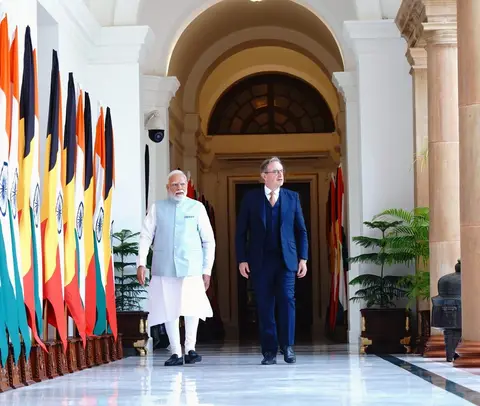 DEFENCE INDUSTRYIndia Belgium Defence Deals Sealed As PM De Wever Visits Delhi
 DEFENCE INDUSTRYAero India 2027 Dates Confirmed for February 8 to 12 in Bengaluru
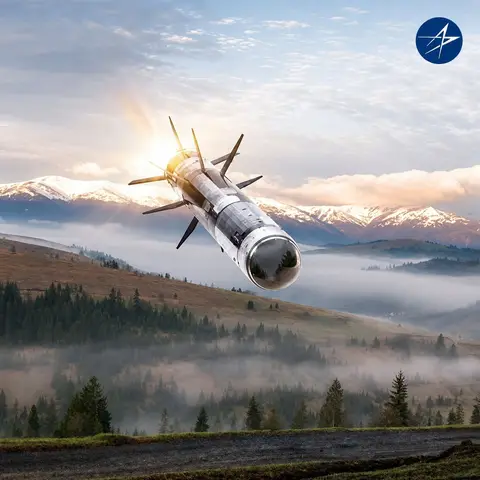 DEFENCE INDUSTRYJavelin missile co-production advances as Tata Advanced Systems signs Javelin Joint Venture pact
 DEFENCE INDUSTRYTata Lockheed Martin MTA push gets a lift from US envoy's Hyderabad visit
India's armed forces take part in a large and growing calendar of joint military exercises with foreign partners, spanning the Army, Navy and Air Force as well as tri-service and coast guard engagements. These exercises range from small-scale special forces drills to major multinational manoeuvres involving thousands of troops, warships and aircraft, and they form a central pillar of India's defence diplomacy alongside its expanding strategic partnerships.
Key facts
- Purpose: building interoperability, exchanging tactics and doctrine, and strengthening bilateral or multilateral defence ties
- Services involved: Indian Army, Indian Navy, Indian Air Force and, increasingly, the Indian Coast Guard
- Formats: bilateral exercises with single partner nations and multilateral exercises involving several countries together
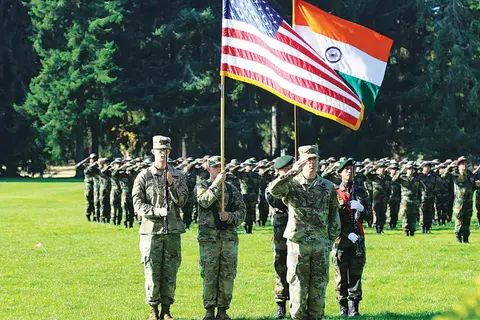
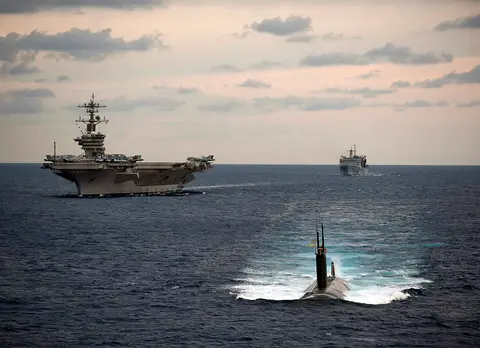
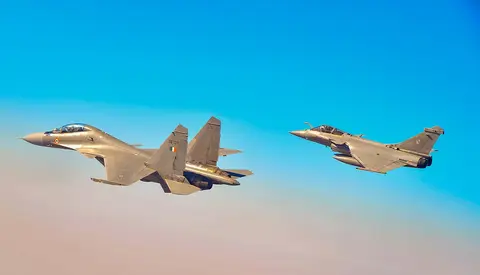
- Major recurring exercises: Yudh Abhyas (India-US, Army), Malabar (India-US-Japan-Australia, Navy), Garuda (India-France, Air Force), Cope India (India-US, Air Force), Indra (India-Russia), Varuna (India-France, Navy), Shakti (India-France, Army)
- Regional exercises: Surya Kiran (Nepal), Sampriti (Bangladesh), Mitra Shakti (Sri Lanka), Prabal Dostyk (Kazakhstan)
Why India conducts joint exercises
Joint exercises give participating militaries a controlled environment in which to rehearse combined operations, standardise communication procedures and learn from each other's equipment and tactics, all of which become critical if forces are ever required to operate together in a real crisis, humanitarian relief effort or coalition operation. For India, this interoperability goal sits alongside a broader diplomatic purpose: exercises signal the depth of a bilateral relationship, reassure partners of shared strategic interests, and, in cases such as the Quad-linked Exercise Malabar, project a collective response to regional security concerns without the formality of a treaty alliance.
Army, Navy and Air Force programmes
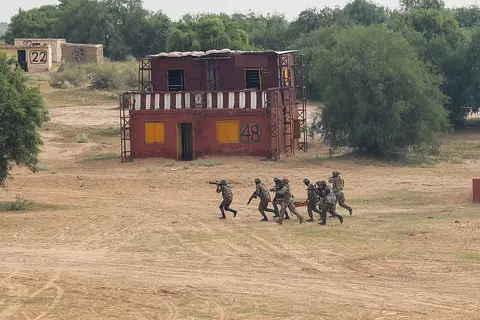
The Indian Army's exercise programme includes Yudh Abhyas with the United States, Vajra Prahar with US Special Forces, Dharma Guardian with Japan, Khanjar with Kyrgyzstan, and border-focused drills with neighbours such as Nepal and Bangladesh. The Indian Navy maintains one of the busiest schedules of any service, headlined by Malabar with the United States, Japan and Australia, alongside Varuna with France, Konkan with the United Kingdom, and a network of coordinated patrols and passage exercises with Indo-Pacific partners. The Indian Air Force conducts Garuda with France, Cope India with the United States, Desert Knight with France, and Indra with Russia, testing fighter tactics, air defence coordination and large-force employment against a range of partner air forces.
Growing scale and reach
Over the past two decades, India's exercise programme has grown steadily in size, complexity and geographic reach, moving from largely bilateral, modest-scale drills toward larger multinational formats and more demanding terrain, including high-altitude exercises near India's northern borders and long-range deployments to partner countries in Europe, the Americas and the Indo-Pacific. This expansion mirrors India's wider defence and foreign policy shift toward deeper security partnerships, and exercises are now routinely used to trial new equipment, validate logistics for expeditionary deployments and deepen professional ties between successive generations of officers from India and its partner nations.