
 INDIA DEFENCEDhruv NG Helicopter Explained: What HAL Has Actually Put Into Pawan Hans Service
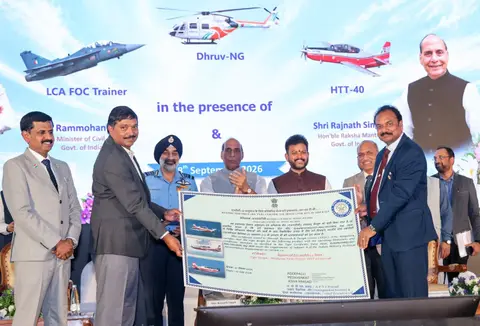 INDIA DEFENCELCA FOC Trainers Delivered With HTT 40 and Dhruv NG as Rajnath Singh Asks Engineers for Technologies That Do Not Exist
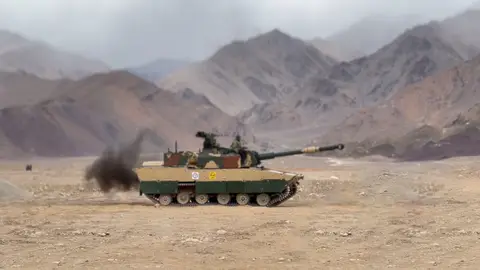 DEFENCE INDUSTRYTata Zorawar light tank clears Army's L1 hurdle for Rs 20,000 crore contract
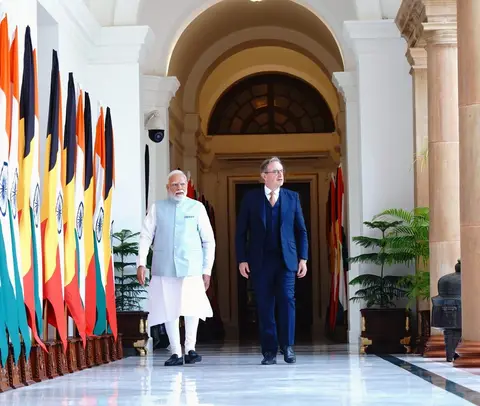 DEFENCE INDUSTRYIndia Belgium Defence Deals Sealed As PM De Wever Visits Delhi
 DEFENCE INDUSTRYAero India 2027 Dates Confirmed for February 8 to 12 in Bengaluru
The Agnipath scheme is a recruitment reform introduced by the government of India in 2022 that changed the way soldiers, sailors and airmen are enlisted into the armed forces. Under the scheme, most recruits into the non-officer ranks of the three services are enrolled as Agniveers on a short-term engagement, marking a significant departure from the earlier model of longer-term enlistment that had prevailed for decades.
How the scheme works
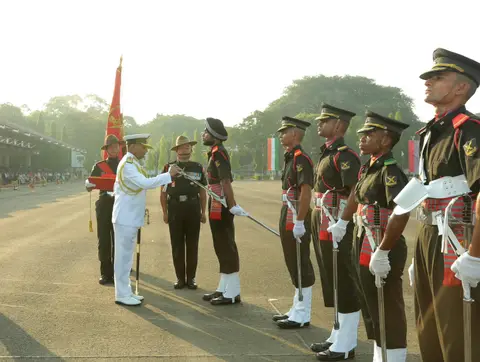
Under Agnipath, young men and, in some streams, women are recruited into the Indian Army, the Indian Navy and the Indian Air Force for a fixed term of engagement of four years, including their training period. During this time they serve as Agniveers, undergoing training and performing regular duties within their service alongside longer-serving personnel.
- Recruits are enrolled as Agniveers for a four-year engagement.
- At the end of the term, a proportion are selected for retention in the regular cadre on longer engagements.
- Those not retained leave with a financial package rather than a service pension.
A defining feature of the scheme is that only a portion of each batch is retained in the regular service after the four-year term, on the basis of merit and organisational requirements, while the remainder return to civilian life. Those who complete their term without being retained receive a lump-sum financial package on exit. This contrasts with the earlier system, under which soldiers typically served for much longer and became eligible for a pension, and it is this change to the terms of service that lies at the heart of the reform.
Rationale and debate
The government put forward several objectives for the reform. These included lowering the average age profile of the forces to create a younger, fitter fighting body; producing a pool of trained, disciplined young citizens who would re-enter society after their service; and reshaping the long-term financial commitments associated with a large standing force. Supporters argued that the scheme would keep the forces youthful and technologically adaptable while giving many young people valuable training, discipline and experience that would benefit them in later careers.
The scheme also attracted considerable public debate when it was announced. Critics raised questions about job security for those not retained, the effect of shorter tenures on unit cohesion and the regimental traditions that are central to the Army's identity, and the prospects for Agniveers after their service. In response, the government and various agencies announced measures intended to support the reintegration and employment of those leaving the forces, including preferences in certain recruitment streams.
Agnipath applies to recruitment into the regular ranks of the armed forces and is distinct from other citizen-military institutions such as the National Cadet Corps and the Territorial Army, which serve different purposes in youth training and part-time volunteer service. It is also separate from the officer-entry routes and from the recruitment of specialist and elite units such as the special forces, which draw volunteers from within the services after they have already enlisted.
As a relatively recent reform, the Agnipath scheme continues to be assessed on the basis of experience as successive batches of Agniveers are recruited, serve and, in due course, either continue in the regular cadre or return to civilian life. It represents one of the most consequential changes to India's military manpower policy in decades, and its longer-term effects on the composition, cohesion and character of the armed forces will become clearer over time. Much will depend on how the retention process works in practice, on the opportunities available to those who leave after four years, and on how the scheme interacts with the traditions and combat effectiveness of the regiments and units into which Agniveers are inducted. As with any reform of this scale, its assessment is a matter of continuing study rather than settled conclusion, and policy may be refined in the light of experience.
_TWrOniBtCw.jpg)