
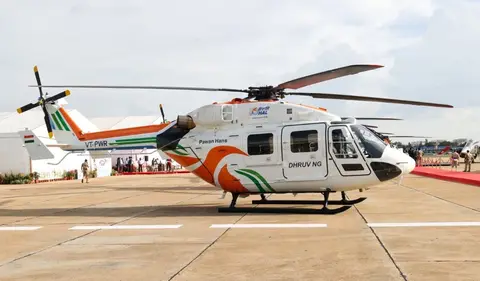
 INDIA DEFENCEDhruv NG Helicopter Explained: What HAL Has Actually Put Into Pawan Hans Service
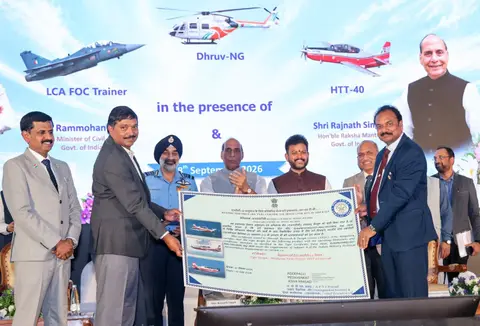 INDIA DEFENCELCA FOC Trainers Delivered With HTT 40 and Dhruv NG as Rajnath Singh Asks Engineers for Technologies That Do Not Exist
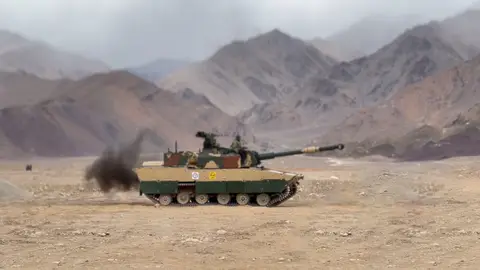 DEFENCE INDUSTRYTata Zorawar light tank clears Army's L1 hurdle for Rs 20,000 crore contract
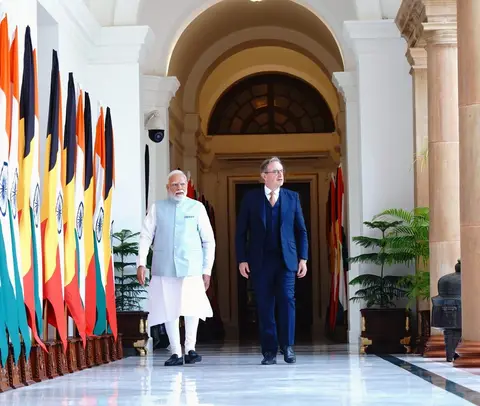 DEFENCE INDUSTRYIndia Belgium Defence Deals Sealed As PM De Wever Visits Delhi
 DEFENCE INDUSTRYAero India 2027 Dates Confirmed for February 8 to 12 in Bengaluru
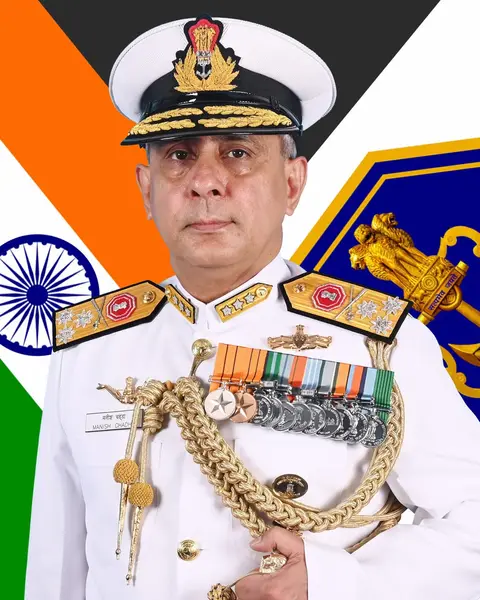
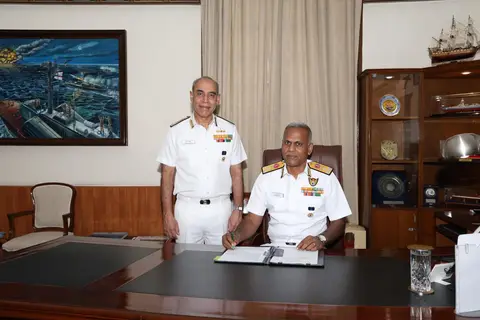
The Indian Navy is the maritime service of the Indian Armed Forces, tasked with safeguarding the country's long coastline, its island territories and its interests across the Indian Ocean region. The Navy is headed by the Chief of the Naval Staff at Naval Headquarters in New Delhi, and its forces are organised under a small number of commands, each led by a Flag Officer Commanding-in-Chief of the rank of vice admiral. This relatively compact command structure reflects the nature of maritime operations, in which forces are concentrated at a handful of major bases and deploy far out to sea.
The three naval commands
The Navy is structured around three commands. Two are operational commands aligned with India's two seaboards, and one is a training command.
- Western Naval Command, headquartered at Mumbai, is responsible for operations in the Arabian Sea along the western seaboard.
- Eastern Naval Command, headquartered at Visakhapatnam, covers the Bay of Bengal and the eastern seaboard.
- Southern Naval Command, headquartered at Kochi, is the training command, overseeing the schools and establishments that prepare naval personnel.
Each operational command controls the ships, submarines, naval air stations and shore establishments within its area. The Western and Eastern Commands each have an operational fleet, together with support flotillas and local naval defence organisations that protect harbours and coastal installations. The Southern Command, while primarily concerned with training, also administers important test and support functions.
Fleets and formations
The principal fighting formations of the Navy are its fleets, each commanded by a flag officer of the rank of rear admiral. A fleet is a grouping of major surface combatants such as destroyers, frigates and, where available, an aircraft carrier, together with support vessels including tankers and replenishment ships that allow the fleet to remain at sea for extended periods. Submarines are organised into their own commands and squadrons, and naval aviation operates fixed-wing aircraft and helicopters from carriers and shore bases for roles such as maritime reconnaissance and anti-submarine warfare.
The composition of the surface fleet, its carriers and its submarine arm is described in the overview of warships of the Indian Navy. Alongside the geographic commands, the Navy also administers the tri-service Andaman and Nicobar Command, India's first joint operational command, which is headed on a rotational basis and controls forces of all three services in the island territories. This command is frequently cited as an early example of the jointness that wider reforms now seek to extend.
The Navy plays a central role in India's sea-based nuclear deterrent. Ballistic-missile submarines and their weapons, including the K-15 and K-4 submarine-launched ballistic missiles, provide the maritime leg of the nuclear triad, and their operational employment is coordinated through the Strategic Forces Command. A submarine on patrol is difficult to detect, which makes this leg especially valuable for the survivability of the deterrent, and the induction of indigenous nuclear-powered submarines has been a landmark in the Navy's development.
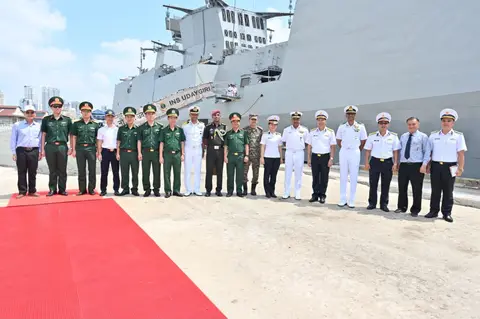
The Navy works closely with the Indian Coast Guard on coastal security and maritime law enforcement, while remaining the principal instrument of sea control and power projection. It also maintains specialised maritime special forces for operations such as boarding, sabotage and hostage rescue. The future organisation of the Navy will be shaped by the broader push towards integrated theatre commands, a reform being implemented under the guidance of the office of the Chief of Defence Staff. A proposed maritime theatre command would bring naval, air and land assets in the maritime domain under a single operational commander, though the precise design remains under consideration and its boundaries and headquarters have not been finalised. As the reform advances, the Navy's existing command structure is likely to be adapted to fit within the joint framework while continuing to sustain forces at its two principal seaboards.