
 INDIA DEFENCEDhruv NG Helicopter Explained: What HAL Has Actually Put Into Pawan Hans Service
 INDIA DEFENCELCA FOC Trainers Delivered With HTT 40 and Dhruv NG as Rajnath Singh Asks Engineers for Technologies That Do Not Exist
 DEFENCE INDUSTRYTata Zorawar light tank clears Army's L1 hurdle for Rs 20,000 crore contract
 DEFENCE INDUSTRYIndia Belgium Defence Deals Sealed As PM De Wever Visits Delhi
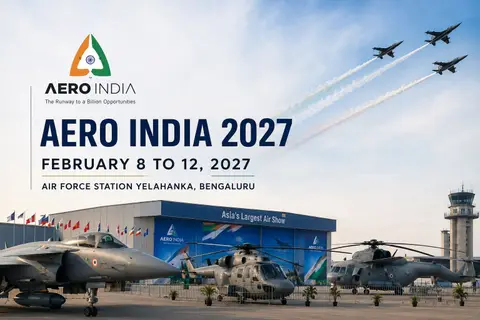 DEFENCE INDUSTRYAero India 2027 Dates Confirmed for February 8 to 12 in Bengaluru
India maintains a range of special operations units across its armed forces, trained and equipped for missions that fall outside the scope of conventional forces. These include deep reconnaissance behind enemy lines, direct-action raids, hostage rescue, counter-terrorism and unconventional warfare. Each of the three services fields its own special forces, tailored to its operating environment, and together they form the core of India's special operations capability. A dedicated overview of these units is also available on the Indian special forces landing page.
The three services' special forces
The best known of India's special forces are the Para Special Forces of the Indian Army. Drawn from the Parachute Regiment, the Para SF battalions are selected and trained to an exacting standard and are employed on the most demanding land-based special operations. Alongside the Special Forces battalions, the Parachute Regiment also fields airborne battalions, but the Para SF designation is reserved for the units trained specifically for special operations, and their members wear the distinctive maroon beret associated with airborne forces.
- Para SF (Army) specialise in direct action, special reconnaissance and operations across varied terrain, from high mountains to jungle.
- MARCOS (Navy), the marine commandos of the Indian Navy, are trained for maritime special operations, including ship boarding, underwater sabotage and coastal raids.
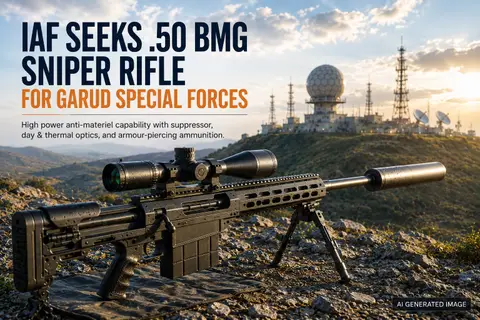
- Garud (Air Force), the special force of the Indian Air Force, are tasked with the protection of air bases, combat search and rescue and other air-centric special missions.
Selection, training and roles
What distinguishes these units is not only their equipment but the rigour of their selection and training. Volunteers undergo demanding probation designed to test physical endurance, mental resilience and aptitude for independent action, with high attrition rates that ensure only the most capable go forward. Those who pass go on to lengthy specialist training in skills such as parachuting, combat diving, demolitions, communications and languages, depending on the unit's role, and this training continues throughout an operator's career.
Special forces are typically employed in small teams, operating with a high degree of autonomy and often in advance of, or in support of, larger conventional operations. Their tasks can include gathering intelligence, striking high-value targets, training partner forces and conducting rescue operations. Because of the sensitive nature of their work, detailed information about their operations, strength and equipment is closely held, and public accounts are necessarily general.
It is important to distinguish military special forces from the specialised units of other agencies. The National Security Guard, for example, is a federal counter-terrorism force that operates under the home ministry rather than the armed forces, and it draws personnel from the army and central police organisations. While there is overlap in some skills, the military special forces are oriented primarily towards operations in support of the armed forces' missions rather than domestic counter-terrorism.
The employment of special forces is an area where jointness is especially valuable, since operations often require the coordination of land, sea and air assets, along with intelligence and airlift. The ongoing reforms in higher defence organisation, including the move towards integrated theatre commands, have prompted discussion of a joint special operations structure to bring the three services' units under a common framework, an idea that remains under development as part of the wider push for integration. Such a structure could improve the coordination, tasking and support of special operations across the services, and would allow scarce enablers such as specialist aircraft, intelligence and airlift to be allocated more efficiently. For now, however, each service continues to train, equip and employ its own special forces, and their precise strengths and operations remain matters of official secrecy.