
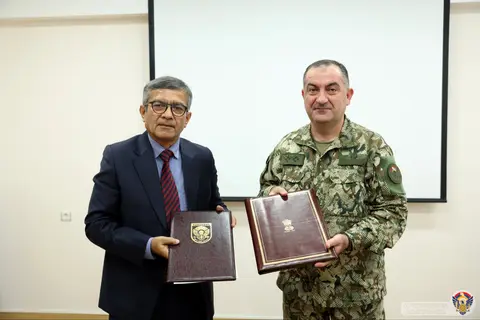
 DEFENCE INDUSTRYBrahMos export orders: Vietnam deal worth about $100 million, Indonesia $200 million as Akash reaches Tajikistan, Turkmenistan
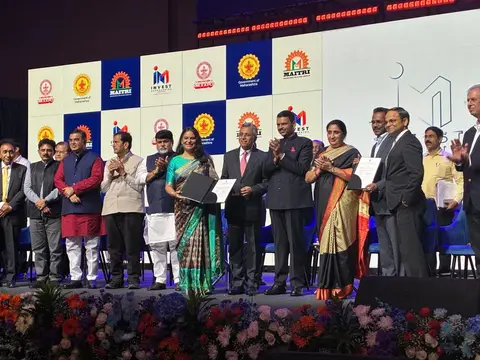 DEFENCE INDUSTRYMahindra Embraer Nagpur facility to assemble C-390 if IAF picks the aircraft
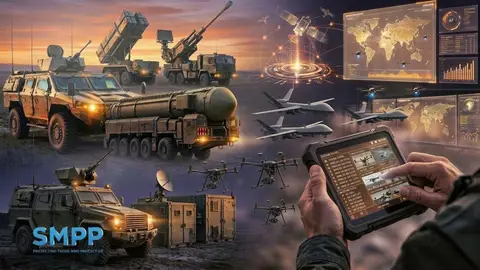 DEFENCE INDUSTRYSMPP Drone Manufacturing Push: Firm Shifts From Ammunition to Unmanned Warfare, Targets Integrated Defence Capabilities
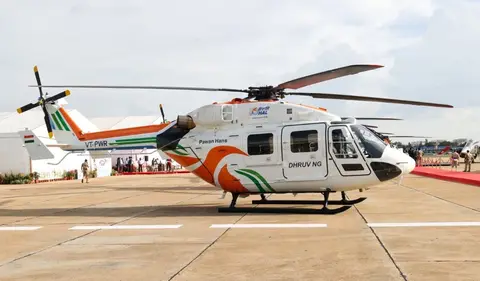 INDIA DEFENCEDhruv NG Helicopter Explained: What HAL Has Actually Put Into Pawan Hans Service
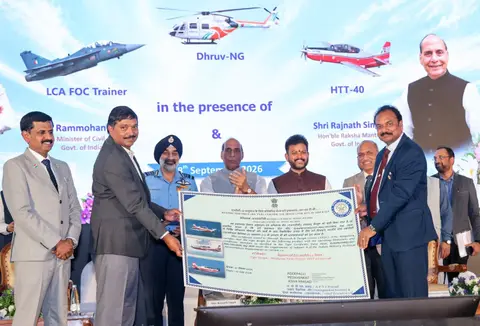 INDIA DEFENCELCA FOC Trainers Delivered With HTT 40 and Dhruv NG as Rajnath Singh Asks Engineers for Technologies That Do Not Exist
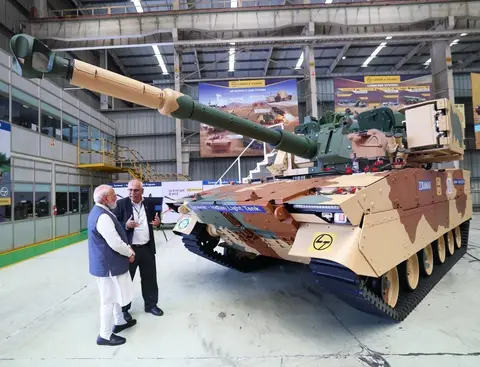
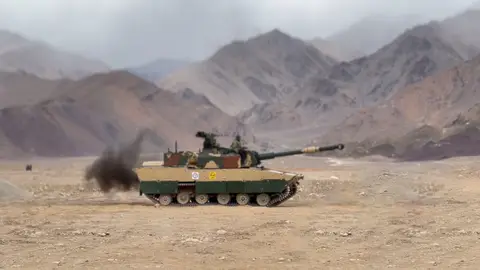
The Zorawar is a light tank being developed in India for operations in high-altitude and mountainous terrain, particularly along the northern borders with China. Named after the nineteenth-century general Zorawar Singh, who led military campaigns across the Himalayan region, the vehicle is a joint effort between the DRDO and the private firm Larsen & Toubro. It is intended to give the Indian Army a lighter, more agile armoured platform suited to terrain where heavy main battle tanks are difficult to deploy and sustain.
The programme gained impetus after the prolonged standoff in eastern Ladakh, which underscored the need for armour that could be moved to and operate effectively at high altitude. The Zorawar remains under development and trials, so its detailed characteristics and induction timeline should be regarded as provisional rather than settled. Even so, the concept reflects a clear and durable operational need on India's mountainous frontiers.
Why a light tank
Heavy tanks such as the T-90 and T-72 were designed for the plains and deserts of the western sector, where their weight and firepower are assets. In the thin air, steep gradients and limited road networks of the Himalayas, weight becomes a serious liability. Bridges, mountain tracks and transport aircraft all impose limits, engine performance falls at altitude, and the logistics of sustaining a heavy tank far forward are formidable. A light tank addresses these constraints by trading some armour and mass for transportability and mobility, accepting a different balance of capabilities appropriate to the terrain.
- Lower weight for movement across mountain terrain and bridges
- Air-transportability to move rapidly to forward areas
- Adequate firepower for the direct-fire support role in the mountains
- Modern fire control, protection and networking features
- Reliable performance in cold, high-altitude conditions
The design reflects contemporary thinking on protection and munitions. Advances in tank ammunition and armour technology allow a lighter vehicle to retain meaningful lethality and survivability, so that reduced mass need not mean a defenceless platform. Anti-tank capability from indigenous systems such as the Nag anti-tank guided missile can also complement gun armament, extending reach against enemy armour.
Role within India's armoured fleet
The Zorawar is best understood as one tier of a tiered armoured force rather than a replacement for the main battle tank. Where the planned Future Ready Combat Vehicle is meant to dominate the plains, the Zorawar fills a distinct high-altitude niche that heavier armour cannot economically occupy. Its development also strengthens the domestic industrial base, drawing on private manufacturing capacity alongside the wider ecosystem of defence public sector undertakings and, in time, series producers of tracked armour. A collaborative model of this kind, pairing a government research body with a private prime contractor, is also significant for what it signals about how India intends to develop future combat vehicles.
The Zorawar concept responds to a specific strategic reality. Along the disputed Himalayan frontier, both sides have deployed armour at high altitude, and India's ability to match and counter such deployments depends on having vehicles suited to the ground. A nimble, deployable light tank offers commanders options for offensive as well as defensive tasks in terrain where a heavy tank would be a liability, and it can be moved quickly between sectors as the situation demands.
For crews, the introduction of a new platform of this kind requires doctrine and training tailored to mountain armoured operations, work that falls to the institutions that prepare the armoured corps. Employing armour effectively in the mountains is as much a matter of tactics, logistics and terrain appreciation as of the vehicle itself, and India will need to develop the supporting concepts alongside the hardware.
Readers can place the Zorawar within the full inventory through the overview of tanks used by India, which traces how India's armour has diversified from a single heavy-tank model toward a mix of platforms tuned to different theatres. If it completes trials and enters service as planned, the Zorawar would mark an important step in giving India credible, deployable armoured capability in some of the most demanding terrain found anywhere along its frontiers, adding a genuinely new dimension to the armoured corps.